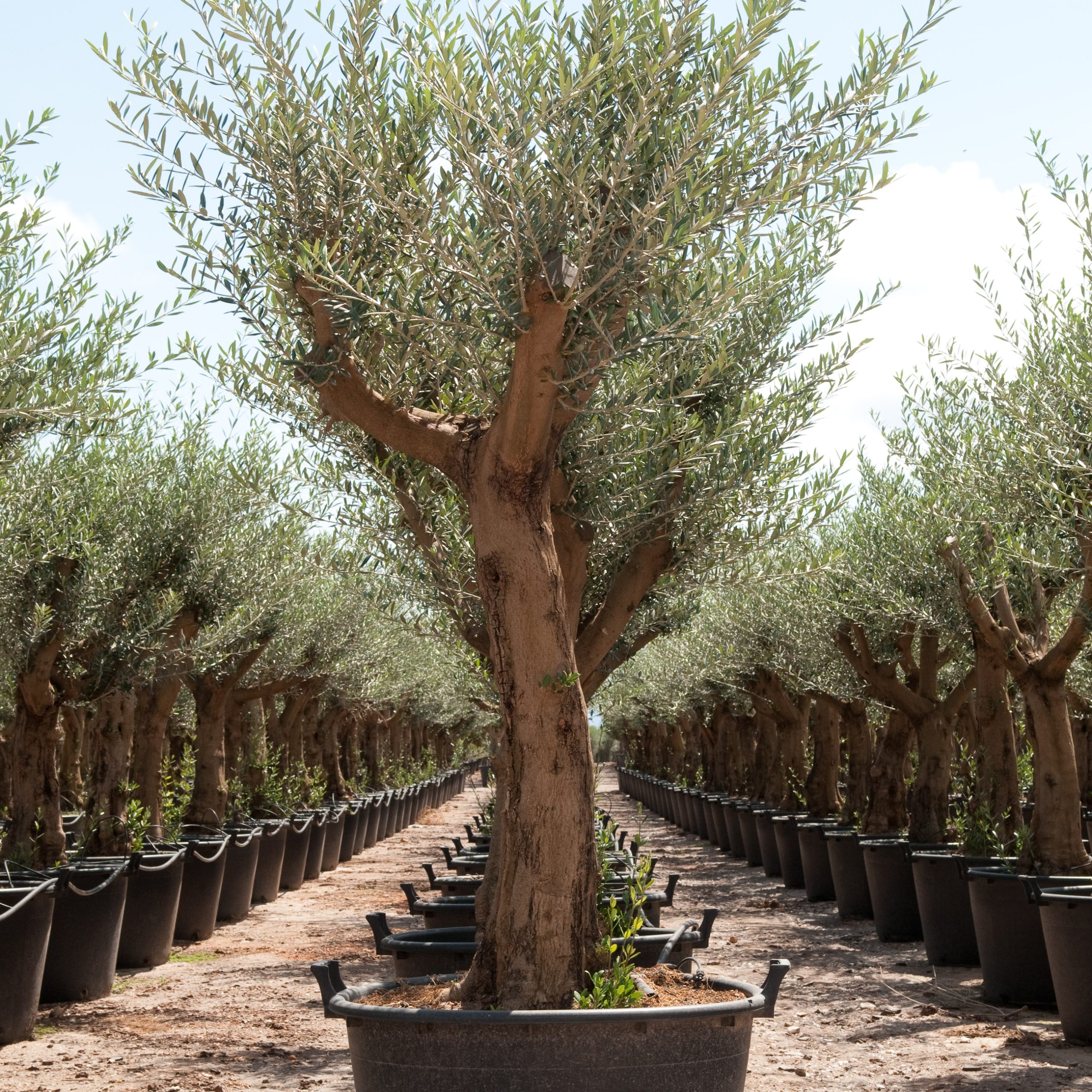
Olive trees (Olea europaea), long cherished for their silvery foliage and cultural significance, have become increasingly popular in the United Kingdom, adorning gardens and landscapes with their Mediterranean charm. Their adaptability to the UK’s milder winters has made them a favoured choice among gardeners and landscapers. However, this growing trend faces new challenges as climate change alters the environmental dynamics, inadvertently favouring certain pests.
One such emerging threat is the woolly aphid, a sap-sucking insect that cloaks itself in a distinctive white, cotton-like substance. Traditionally associated with apple and crab apple trees, these pests have expanded their reach to include olive trees, among others. The UK’s shifting climate, characterized by warmer temperatures and altered weather patterns, has created favourable conditions for woolly aphid populations to thrive and spread. Notably, these insects are not solely introduced through nursery stock; they are adept at traveling significant distances through the air, making even isolated olive trees susceptible to sudden infestations.
Woolly aphids feed by inserting their needle-like mouthparts into plant tissue to withdraw sap, leading to several detrimental effects. Their feeding activity can cause twisted and curled leaves, yellowed foliage, poor plant growth, and branch dieback. Additionally, woolly aphids excrete a sticky substance known as honeydew, which can lead to the development of sooty mould — a black, powdery fungus that hampers photosynthesis and further stresses the plant. Moreover, their feeding sites can become entry points for other pathogens, potentially leading to more severe infections.
Given the potential harm woolly aphids can inflict on olive trees, it’s crucial for UK gardeners to be vigilant in monitoring their trees for signs of infestation. Early detection and prompt intervention are key to managing these pests effectively. In this article, we will delve deeper into the biology and behaviour of woolly aphids, explore their impact on olive trees in the UK, and provide a comprehensive guide to identifying, managing, and preventing infestations. By understanding these tiny yet formidable adversaries and recognizing the influence of climate change on their prevalence, gardeners can implement effective strategies to protect their cherished olive trees and ensure their continued health and vitality.
Understanding Woolly Aphids
Woolly aphids, belonging to the subfamily Eriosomatinae, are sap-sucking insects that produce a filamentous, waxy white covering resembling cotton or wool. This distinctive appearance often leads to their detection when they form conspicuous, fluffy masses on branches, buds, or leaves.
While they are commonly associated with apple and crabapple trees, woolly aphids have a broad host range, including pear, ash, hawthorn, alder, elm, oak, Cotoneaster, and Pyracantha. In the UK, they have also been observed infesting olive trees, particularly during the warmer months.
These pests feed by inserting their needle-like mouthparts into plant tissue to withdraw sap, leading to several detrimental effects. Their feeding activity can cause twisted and curled leaves, yellowed foliage, poor plant growth, and branch dieback. Additionally, woolly aphids excrete a sticky substance known as honeydew, which can lead to the development of sooty mould—a black, powdery fungus that hampers photosynthesis and further stresses the plant. Moreover, their feeding sites can become entry points for other pathogens, potentially leading to more severe infections.

Identifying Woolly Aphid Infestations
Detecting a woolly aphid infestation on olive trees requires a keen eye. Look out for the following signs:
- White, cottony masses on the trunk, branches, or leaf axils
- Distorted or curled leaves
- Honeydew secretions, often leading to the growth of black sooty mould
- Weak or stunted growth
- Ant activity around the plants, attracted by the honeydew

Treatment and Control Measures
Successfully managing woolly aphids on olive trees in the UK involves a combination of cultural practices and targeted treatments. Here are some effective strategies:
- Inspection and Pruning: Regularly inspect your olive tree for signs of infestation, especially during spring and early summer. Remove any heavily infested branches, twigs, or leaves by pruning them. Proper disposal of the pruned material is essential to prevent the spread of aphids.
- Physical Removal: Gently wash woolly aphids off the tree using a strong stream of water. A handheld sprayer or a hose attachment can be used to dislodge the insects from the affected areas. This method is most effective when aphid populations are relatively low.
- Biological Controls: Encourage natural predators that feed on aphids, such as ladybugs and lacewings, by planting a diverse range of flowering plants nearby. These beneficial insects will help keep the aphid population in check. Avoid using broad-spectrum insecticides that may harm these beneficial organisms
- Horticultural Oils: In early spring, before bud break, apply a horticultural oil spray, following the manufacturer’s instructions. The oil suffocates the aphids by coating their bodies and disrupts their ability to feed and reproduce
- Insecticidal Soap: For light infestations, insecticidal soap can be an effective treatment option. Ensure that the soap is specifically formulated for use on plants and follow the instructions carefully to avoid harming the olive tree. Thoroughly coat the affected areas.