Creating a lush garden in dry, shaded areas can be challenging, but many plants thrive under these conditions. Look for species that naturally grow in shaded environments, as they are well-adapted to low light and limited water. Plants with deep root systems or thick, waxy leaves handle dry conditions better. Selecting a mix of ground covers, perennials, and shrubs adds layers of interest and ensures continuous bloom throughout the season. We’ve compiled our top ten recommendations…
Planting and Care Tips for Dry Shade Gardens
Successfully planting and caring for a dry shade garden involves a few strategic steps. First, improve soil quality by adding organic matter like compost or well-rotted manure, which helps retain moisture and enhance soil structure. When planting, dig a hole larger than the root ball, mix in organic matter, and water thoroughly to establish strong roots.
Mulching with leafmould or bark chips helps conserve moisture and suppress weeds. Regular, deep watering during dry spells ensures plants remain hydrated. Fertilise sparingly with a balanced, slow-release fertiliser in the spring to provide necessary nutrients. Pruning and deadheading spent flowers promotes healthy growth and prevents plants from getting leggy.
Designing a Dry Shade Garden in the UK
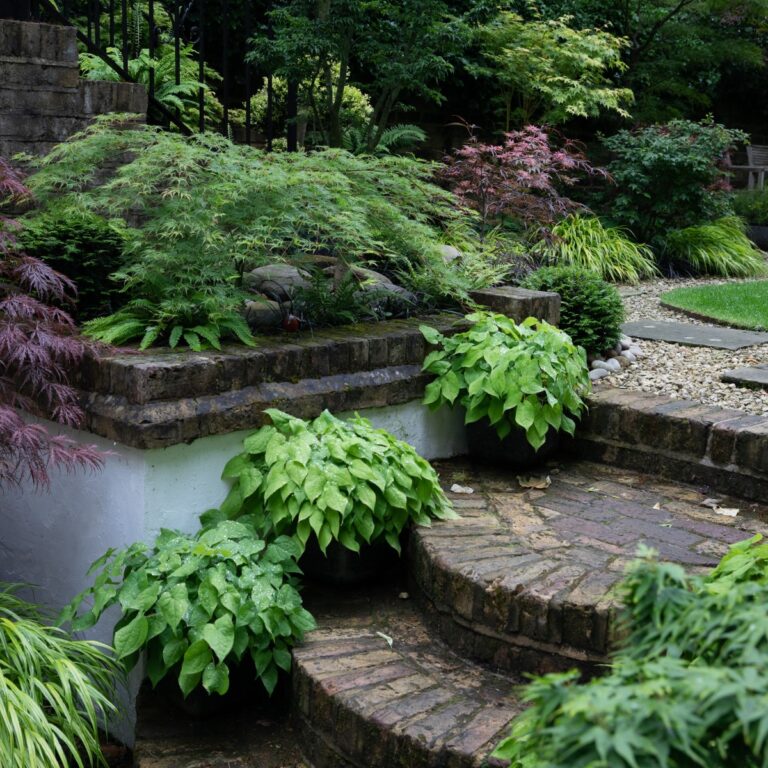
Designing a dry shade garden in the UK requires thoughtful planning to maximize visual appeal and plant health. Start by assessing the shade level and soil type, as this will guide plant selection. Incorporate a mix of textures and colours to create visual interest; for example, pair the delicate fronds of ferns with the bold leaves of Hostas. Use hardscape elements like stone pathways or wooden benches to add structure and contrast.
Group plants with similar water needs together to simplify watering routines. Consider adding raised beds or containers to improve drainage and flexibility in plant placement. Introducing reflective surfaces, such as light-coloured mulch or garden ornaments, can help brighten shaded areas. With careful design, a dry shade garden can become a serene, visually appealing retreat.
Common Challenges and Solutions for Dry Shade Gardening
Gardening in dry shade poses unique challenges, such as low moisture levels, limited sunlight, and competition from tree roots. To address these issues, start by selecting drought-tolerant, shade-loving plants that are well-suited to the environment. Amending soil with organic matter improves moisture retention and nutrient availability.
Installing drip irrigation or soaker hoses ensures efficient, targeted watering without over-wetting the soil. Use mulch to reduce evaporation and maintain consistent soil moisture levels. If tree roots are a problem, consider using root barriers or planting in raised beds to give garden plants a better chance to thrive. Regular monitoring and adjusting care routines based on plant performance can help overcome these challenges, resulting in a successful dry shade garden.
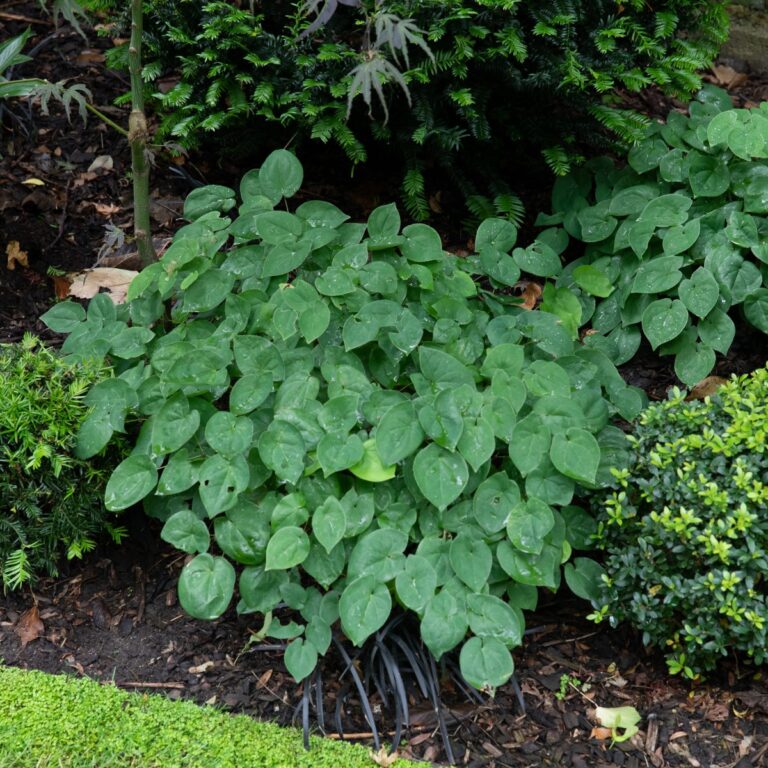
1. Epimedium (Barrenwort)
Epimedium, commonly known as barrenwort or horny goat weed, is a genus of flowering plants in the family Berberidaceae. Native to Asia and the Mediterranean, these perennials are prized for their attractive, heart-shaped leaves and delicate, colourful flowers. The plants prefer shaded, woodland environments and are popular in garden landscapes for their resilience and ornamental appeal.
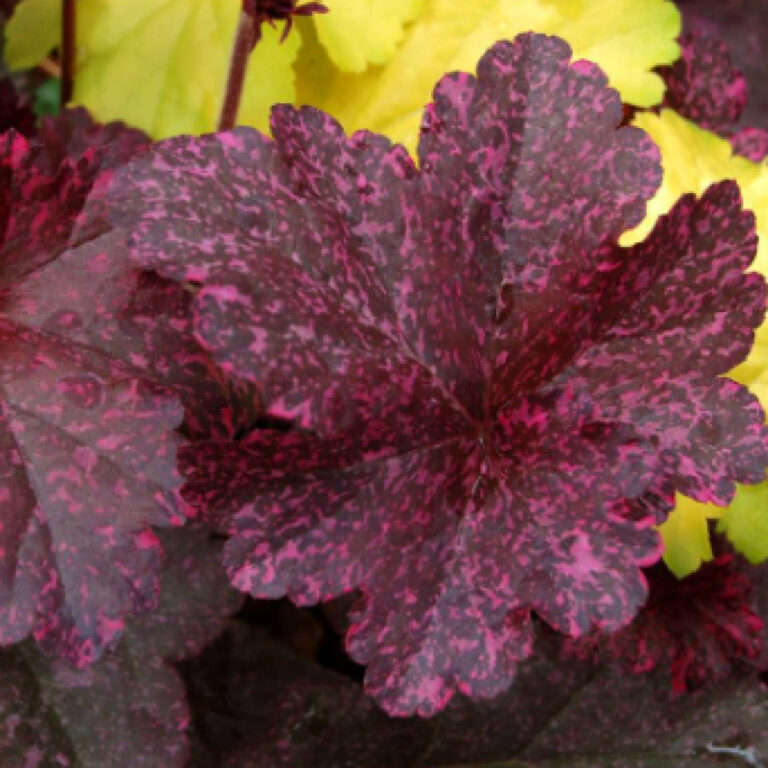
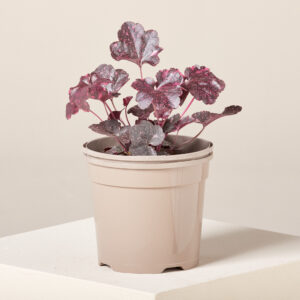
2. Heuchera (Coral Bells)
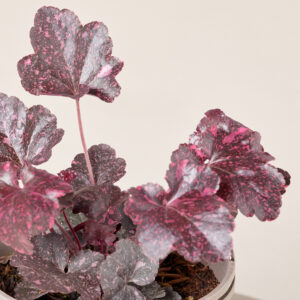
Heuchera, commonly known as coral bells or alumroot, is a genus of herbaceous perennial plants in the family Saxifragaceae. Native to North America, Heuchera species and cultivars are valued for their vibrant, foliage which comes in various colours, including green, purple, and bronze. The plants produce small, bell-shaped flowers on tall, slender stems, attracting pollinators. Heuchera thrives in well-drained soil and partial shade, making it a popular choice for garden borders and ground covers. Additionally, it is appreciated for its hardiness and low maintenance requirements.
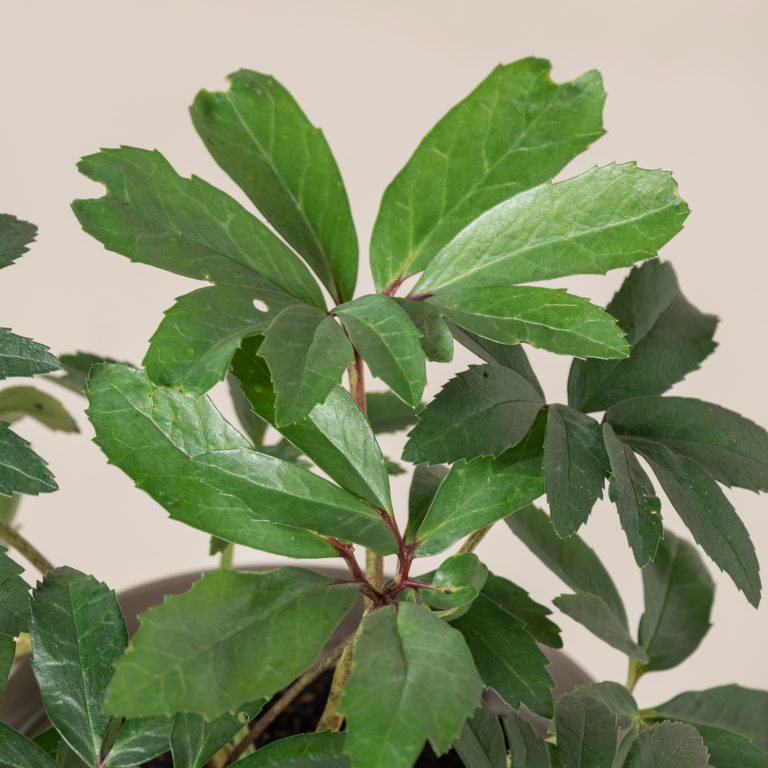
3. Helleborus (Hellebore)
Helleborus, commonly known as hellebore or Christmas rose, is a genus of perennial flowering plants in the family Ranunculaceae. Native to Europe and Asia, hellebores are cherished for their early bloom period, often flowering in late winter to early spring. The plants feature leathery, evergreen leaves and large, cup-shaped flowers in shades of white, pink, purple, and green. Hellebores prefer shaded, well-drained locations and are popular in garden landscapes for their resilience and ability to add colour during colder months.
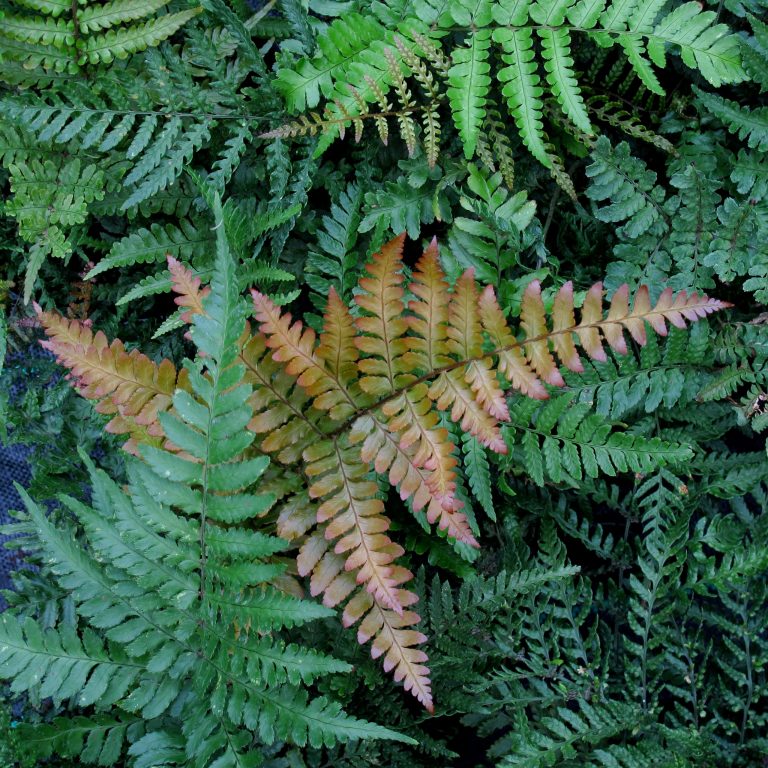
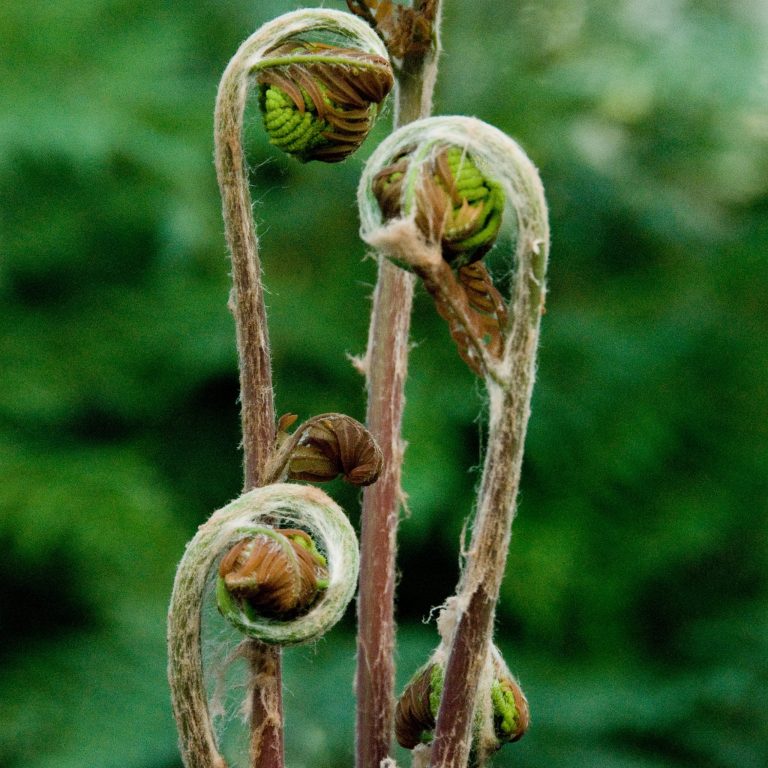
4. Dryopteris (Wood Fern)
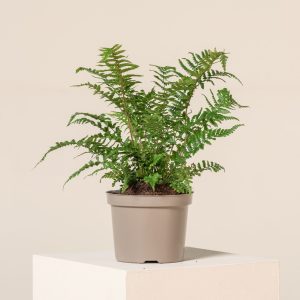
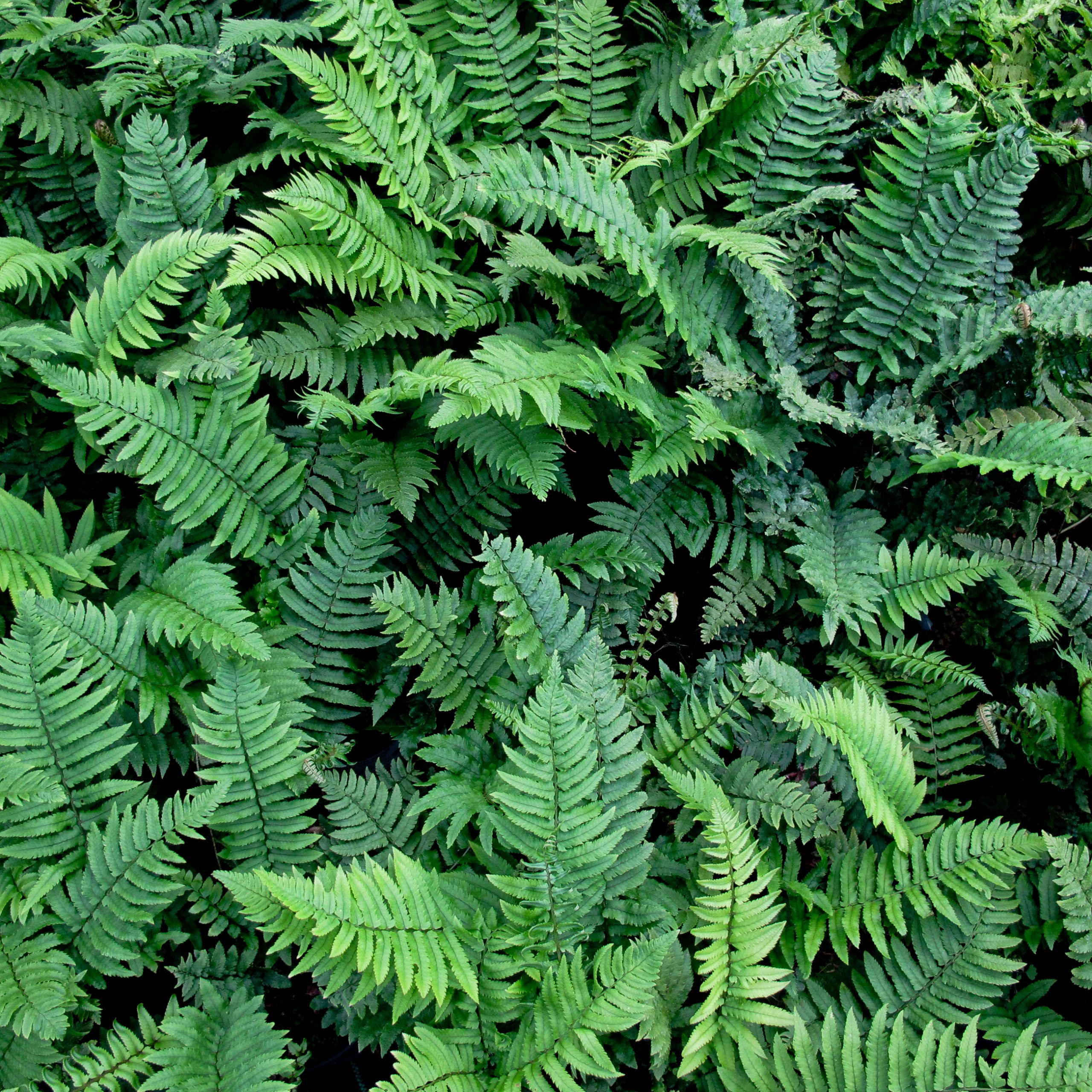
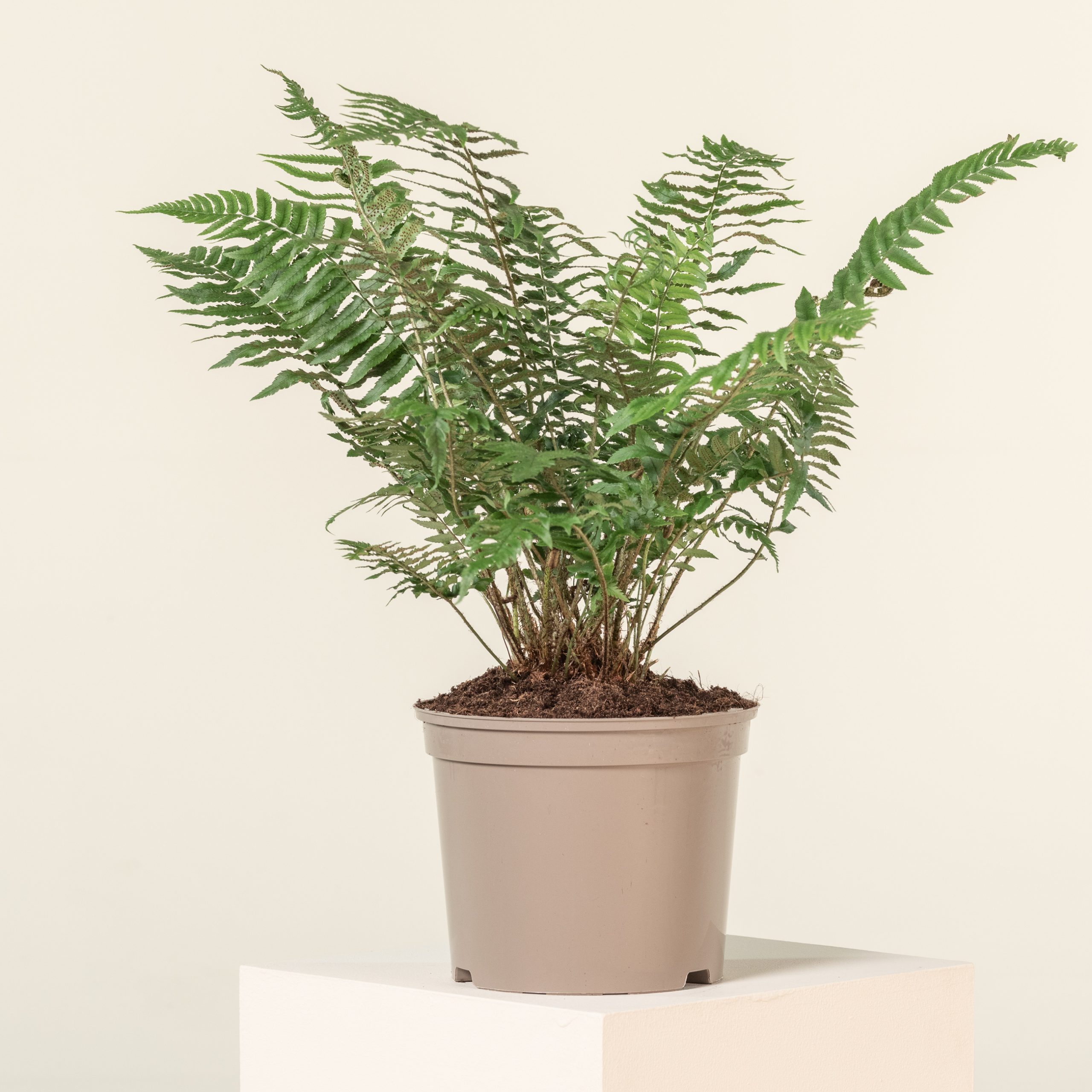
Dryopteris, commonly known as wood ferns or shield ferns, is a genus of ferns in the family Dryopteridaceae. Native to temperate regions worldwide, these perennials are prized for their elegant, feathery fronds and robust growth habit. Dryopteris ferns thrive best in moist, shaded environments, making them ideal for woodland gardens and shaded borders, but they are among the toughest ferns for drier spots. Although they will need water to help establish, once settled in, they are low maintenance and can tolerate a range of soil conditions, contributing to their popularity in garden landscapes. Additionally, wood ferns are known for their resilience and ability to provide lush, green foliage throughout the growing season.
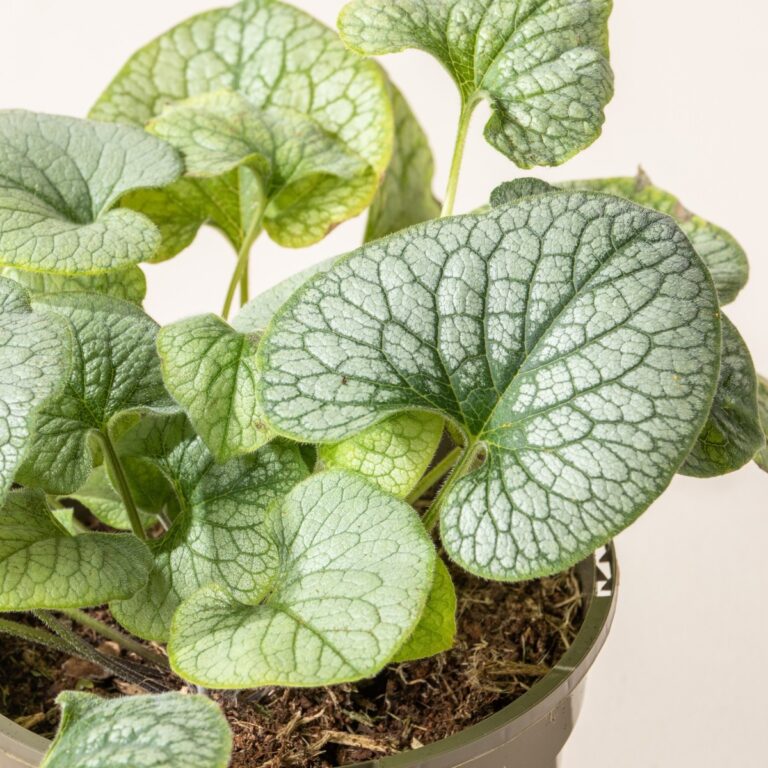
5. Brunnera macrophylla (Siberian Bugloss)
Brunnera, commonly known as Siberian bugloss or false forget-me-not, is a genus of herbaceous perennials in the family Boraginaceae. Native to Eastern Europe and Asia, Brunnera is valued for its heart-shaped leaves, often variegated or silver-spotted, and clusters of small, bright blue flowers that bloom in spring. Preferring moist, well-drained soil and partial to full shade, these plants are ideal for woodland gardens and shaded borders. Brunnera is appreciated for its hardiness, low maintenance, and ability to provide attractive foliage and delicate flowers, enhancing garden landscapes throughout the growing season.
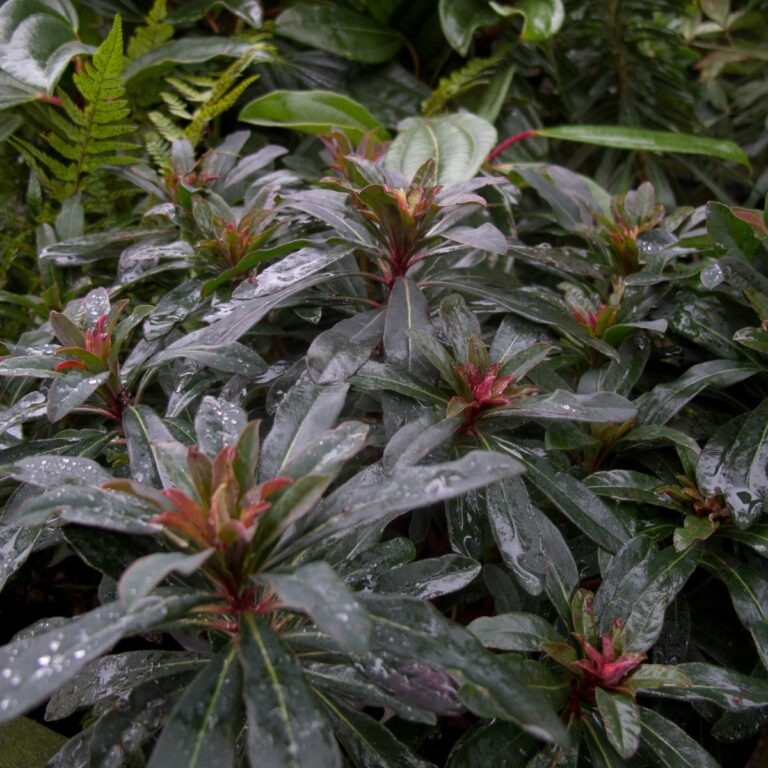
6. Euphorbia (Wood Spurge)
There are hundreds of species and cultivars of Euphorbia, but many of them are wonderful plants to grow in dry shade, particularly E. amygdaloides and its cultivars. Euphorbia amygdaloides, commonly known as wood spurge, is a perennial plant in the family Euphorbiaceae. Native to Europe and Turkey, it is valued for its vibrant, evergreen foliage and clusters of yellow-green flowers that bloom in spring. Wood spurge thrives in well-drained soil and partial to full shade, making it suitable for woodland gardens and shaded borders. It is appreciated for its drought tolerance, low maintenance requirements, and ability to provide year-round interest in garden landscapes.
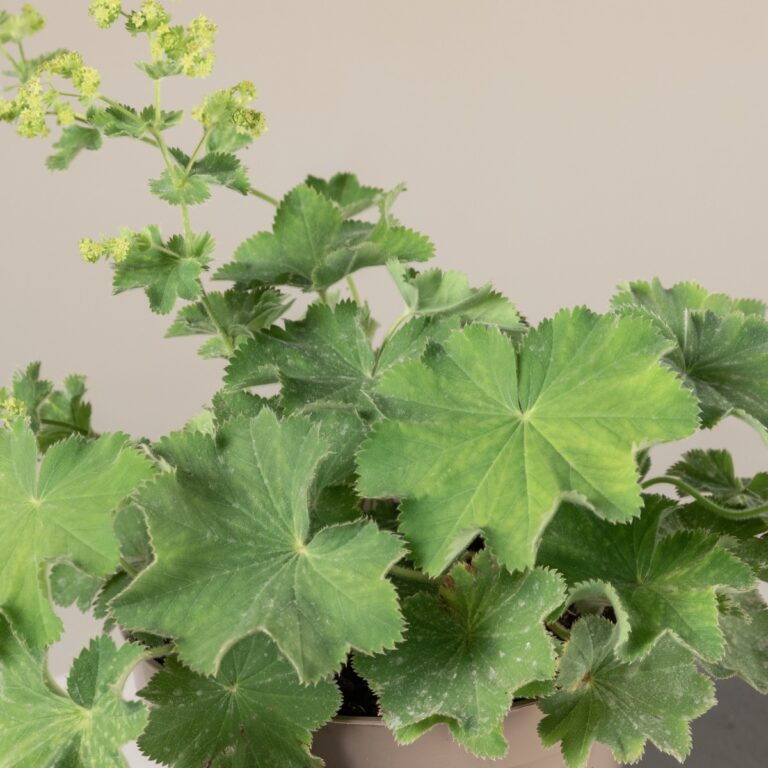
7. Alchemilla mollis (Lady's Mantle)
Alchemilla mollis, commonly known as lady’s mantle, is a herbaceous perennial plant in the family Rosaceae. Native to southern Europe, it is renowned for its soft, velvety, fan-shaped leaves that catch and hold water droplets, and its clusters of tiny, chartreuse flowers that bloom in late spring to early summer. Lady’s mantle thrives in well-drained soil and partial shade but is adaptable to various conditions. It is popular in garden landscapes for its attractive foliage, low maintenance needs, and ability to serve as ground cover or border plants, adding texture and colour to garden beds.
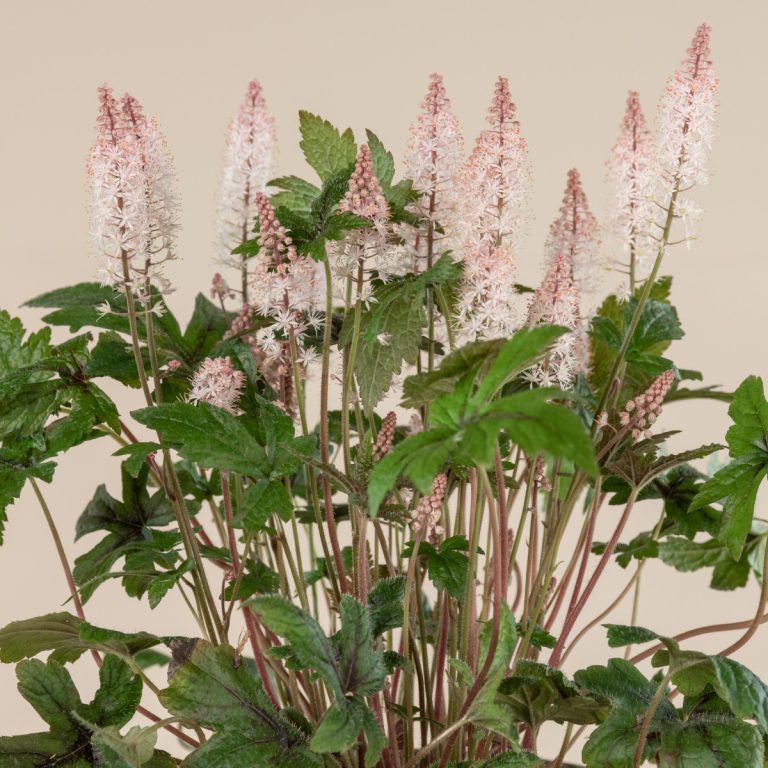
8. Tiarella (Foamflower)
Tiarella, commonly known as foamflower, is a genus of herbaceous perennial plants in the family Saxifragaceae. Native to North America, these plants are prized for their attractive, lobed leaves often marked with dark patterns, and their airy, bottlebrush-like clusters of white or pink flowers that bloom in spring. Foamflowers prefer moist, well-drained soil and partial to full shade, making them ideal for woodland gardens and shaded borders. They are appreciated for their low maintenance, ability to spread as ground cover, and their delicate flowers and foliage that add elegance and texture to garden landscapes.
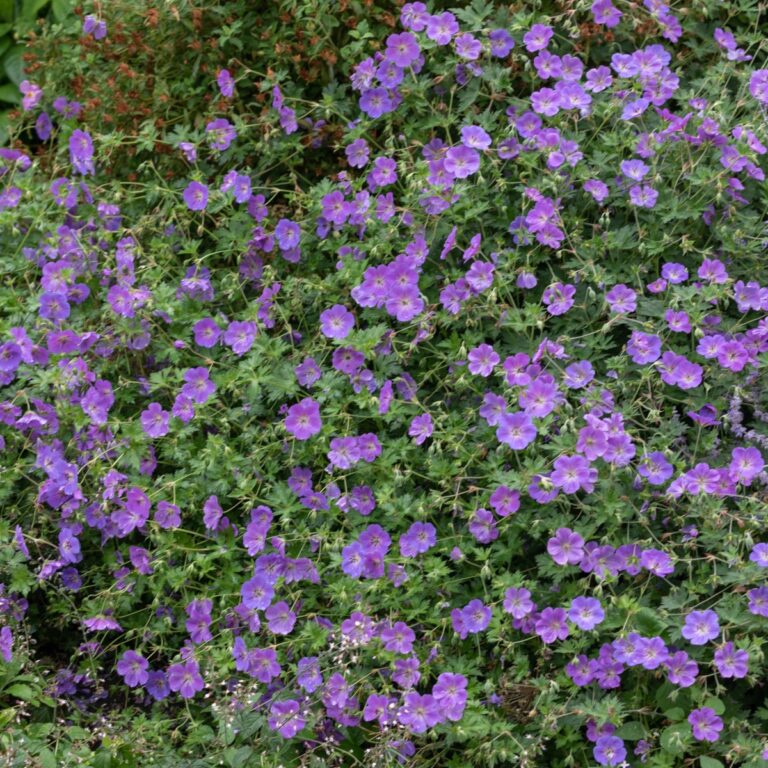
9. Geranium (Cranesbill)
Many species and cultivars of hardy geranium, in the family Geraniaceae, will grow in dry shade. Known for their striking flowers that bloom from late spring to early summer, this group of perennial plants features deeply lobed, green foliage that can develop red tints in autumn. Although flowering won’t be as prolific in deep shade, the foliage is a welcome addition for those difficult areas.
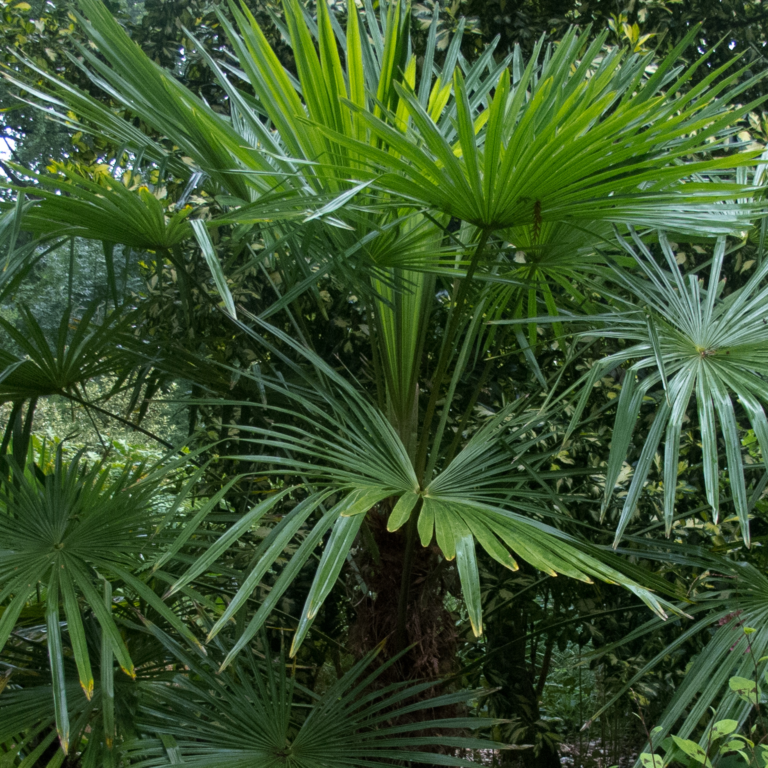
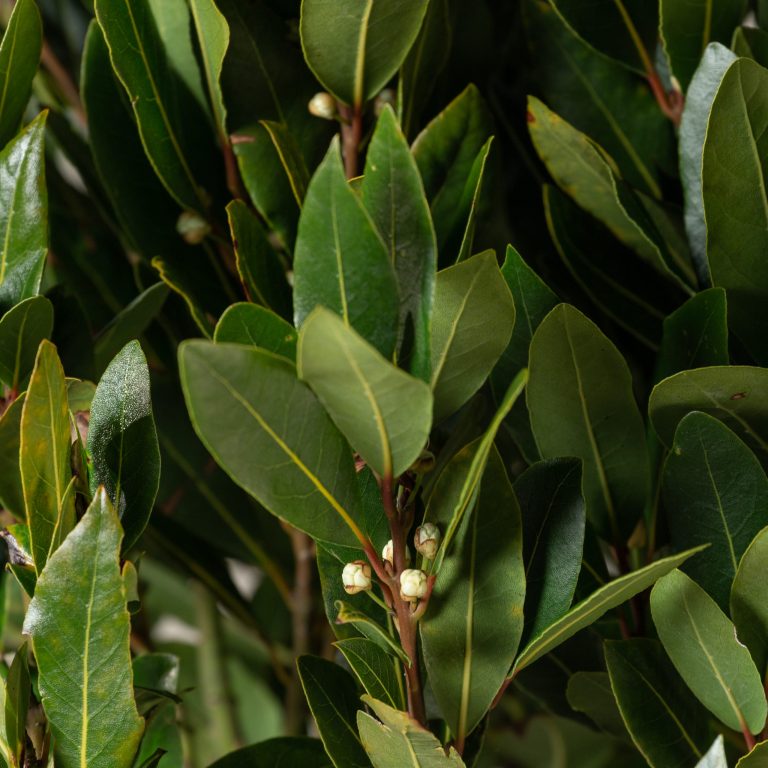
10. Palms!
We couldn’t resist the urge to put a couple of palms in the list. Although many palms require sun for healthy growth, Trachycarpus fortunei and Trachycarpus wagnerianus are both quite happy growing in shade. Their growth will be slower, but the lack of sunlight often gives the plants a more graceful, pendulous habit. They will need additional watering during their first year or so, but once established, these palms will quite happily grow (albeit slowly) in a dry, shady spot.
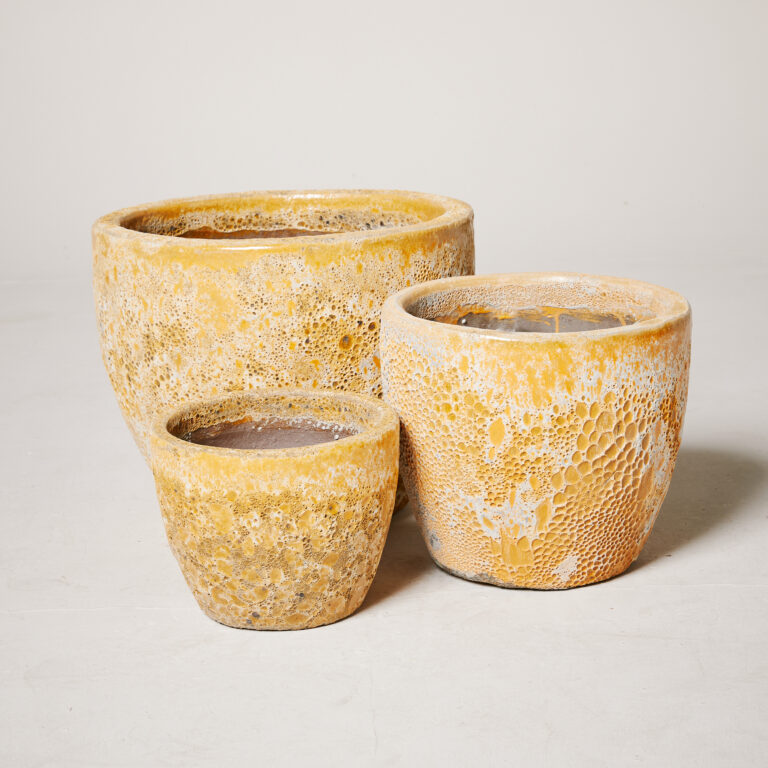
One more idea
Another idea to brighten up a shady area is to use a brightly-coloured pots. Choose plants from the list above and use pots in groups to create depth and interest.