Planting trees and shrubs is a rewarding endeavour that enhances the beauty and enjoyment of your garden. Proper planting techniques are crucial for the successful establishment and longevity of these plants. Here’s a step-by-step guide to ensure your trees and shrubs thrive.
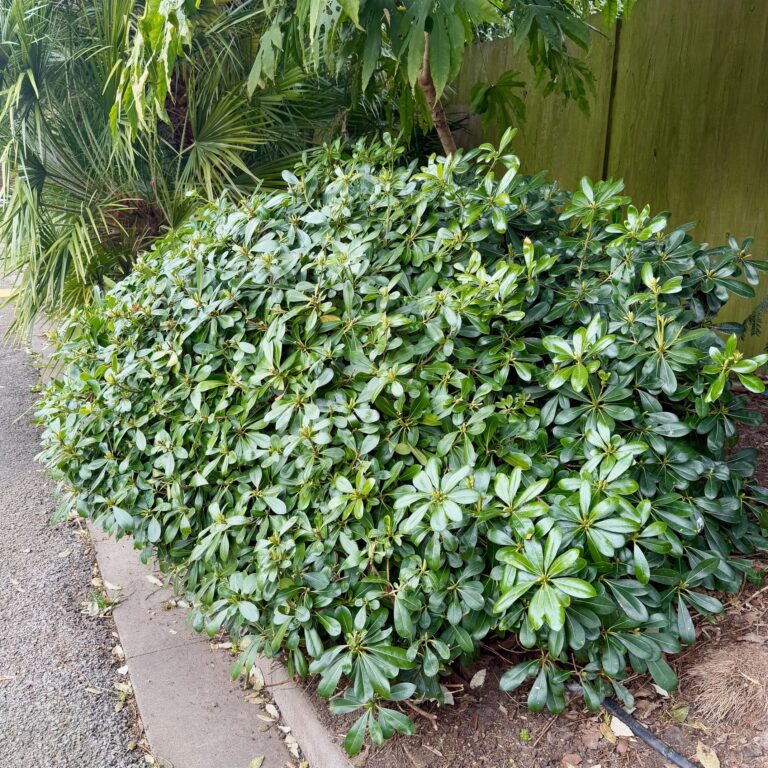
1. Selecting the Right Location
Before planting, assess the specific needs of your chosen tree or shrub, including light, soil type, and space requirements. Ensure the location provides adequate room for mature growth and is free from obstructions like power lines or buildings. It’s always a good idea to read-up about the species/cultivar beforehand to make sure you’re selecting the best spot. Try to imagine what your garden will look like in 2, 3, 5+ years when the plant has grown and matured.
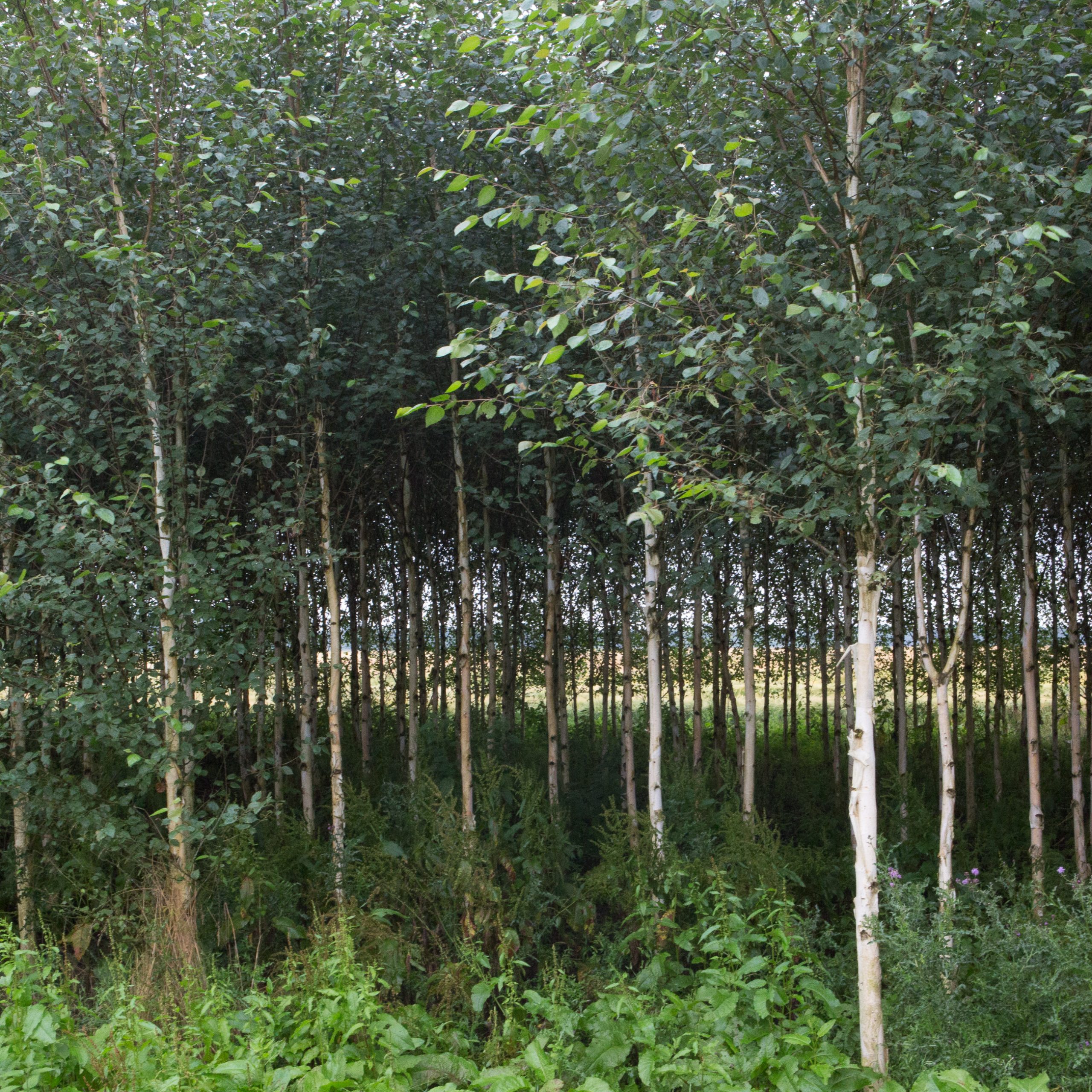
2. Preparing the Planting Hole
Dig a hole two to three times the width of the root ball and no deeper than its height. This encourages roots to spread outward into the surrounding soil. In heavy clay soils, consider planting slightly above grade to improve drainage.
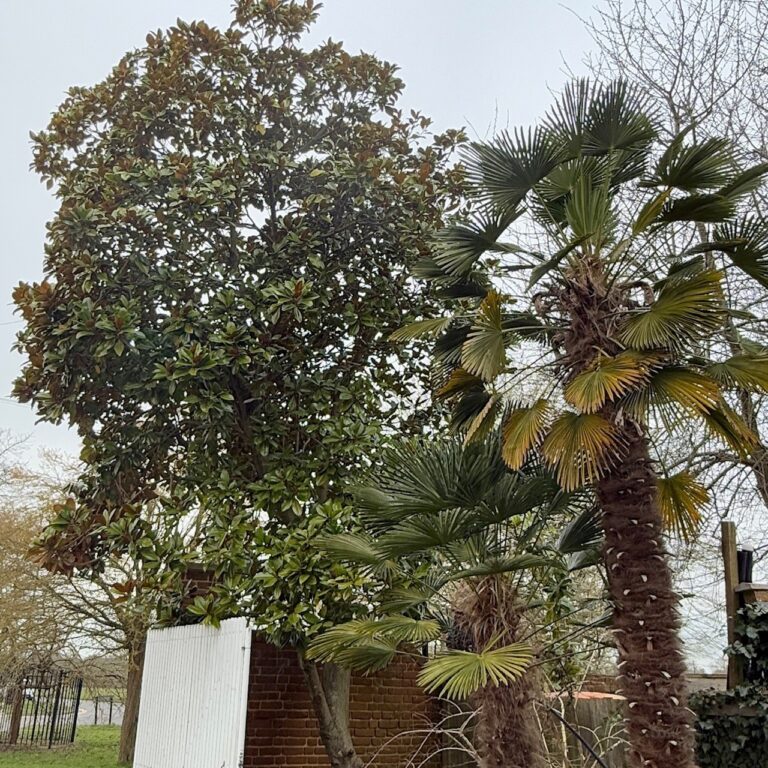
3. Handling the Root Ball
Carefully remove the plant from its container, gently loosening any circling roots to prevent future girdling. For balled and burlapped plants, remove any synthetic materials that won’t decompose.
4. Planting and Backfilling
Position the tree or shrub in the hole, ensuring the root flare (where roots meet the trunk) is at or slightly above ground level. Backfill with native soil, avoiding amendments that can create a barrier to root penetration. Gently tamp the soil to eliminate air pockets.
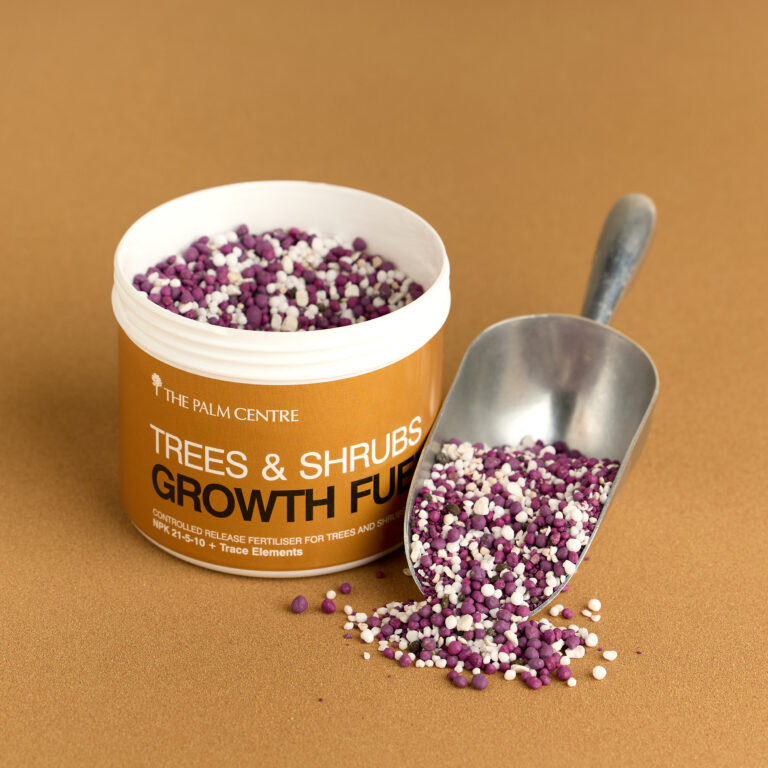
Add a slow-release, balanced fertiliser, such as Trees & Shrubs Growth Fuel, to the soil as you backfill. This will ensure that your plant receives sufficient nutrients in the critical establishment stage.
5. Watering
After planting, water thoroughly to settle the soil and provide moisture to the roots. Maintain consistent soil moisture during the establishment period, typically the first one to two years, adjusting based on weather conditions.
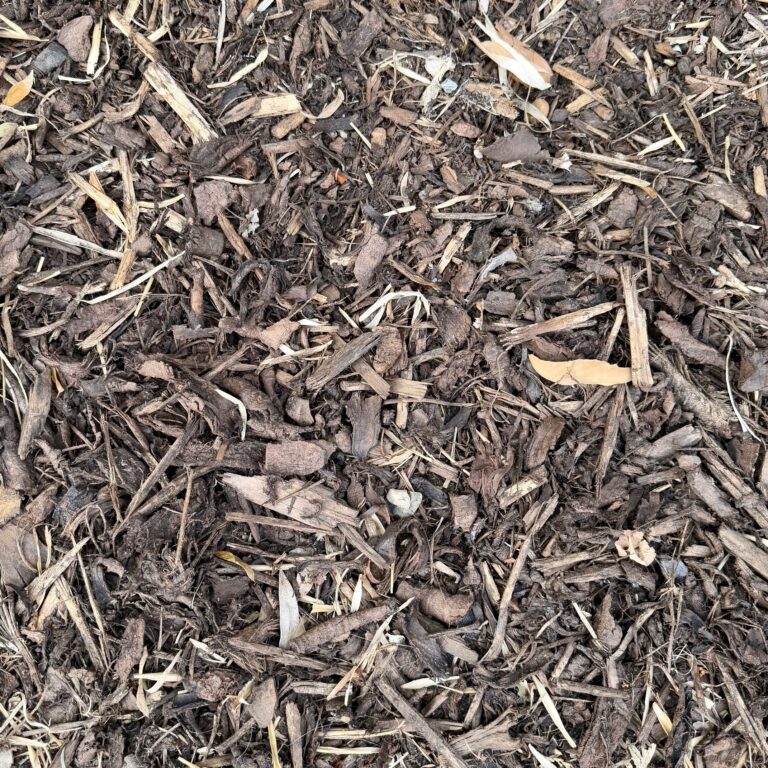
6. Mulching
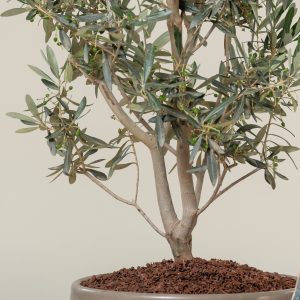
Apply a 2-3 inch layer of mulch around the base, extending to the drip line but keeping it away from direct contact with the trunk. Mulching helps retain moisture, regulate soil temperature, and suppress weeds.
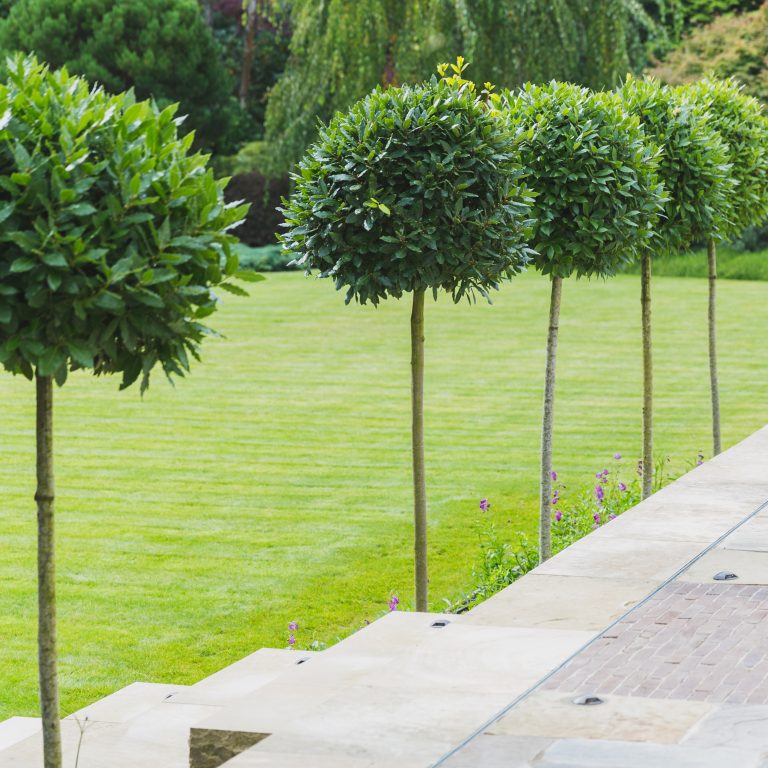
7. Staking and Support
Stake only if necessary, such as in windy areas or for top-heavy plants. Use flexible ties and remove stakes after one growing season to allow the tree to develop natural strength.
Conclusion
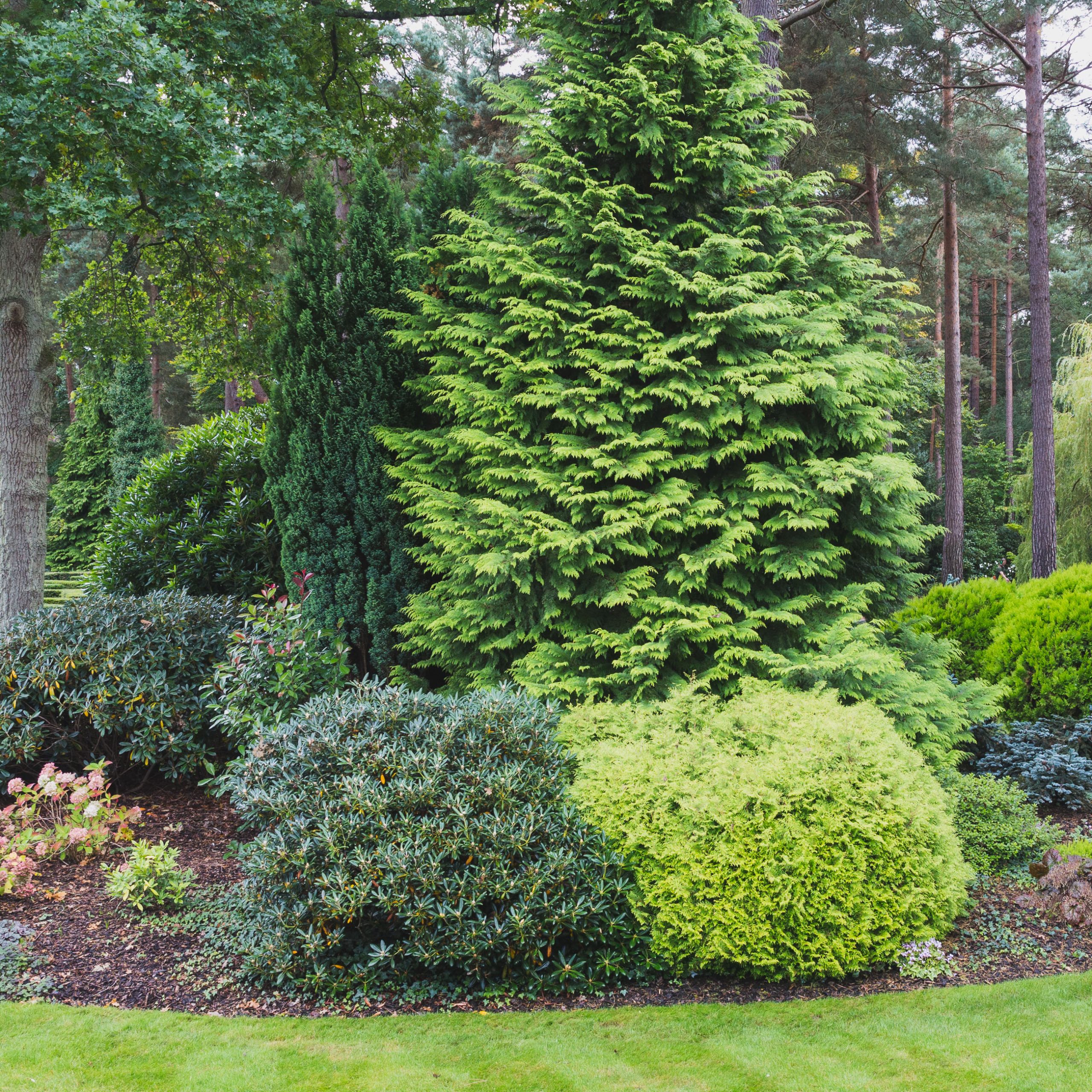
By following these steps, you provide a strong foundation for your trees and shrubs, ensuring they contribute beauty and environmental benefits to your garden for years to come.