As more and more people embrace a plant-based diet for Veganuary every year, and with a growing trend of veganic (vegan and organic) approaches in our gardens, the use of animal products when cultivating houseplants is often overlooked. In this article we’re focussing on how to avoid animal products when caring for your indoor plants.

Avoiding Animal Products for Indoor Gardening
Indoor gardening has grown in popularity as people seek to bring nature into their living spaces. For those committed to a vegan or plant-based lifestyle, extending ethical choices to gardening practices is a logical next step. Here’s how to avoid animal products while creating a thriving indoor garden.

Understanding Animal Products in Gardening
Animal-derived products are common in traditional gardening. Fertilisers may include bone meal, blood meal, or fish emulsion, while pest control methods often rely on insecticides and other lethal ingredients, as well as animal additives. Recognising these ingredients is crucial for avoiding them. Read product labels carefully and research gardening supplies to ensure they align with your values.
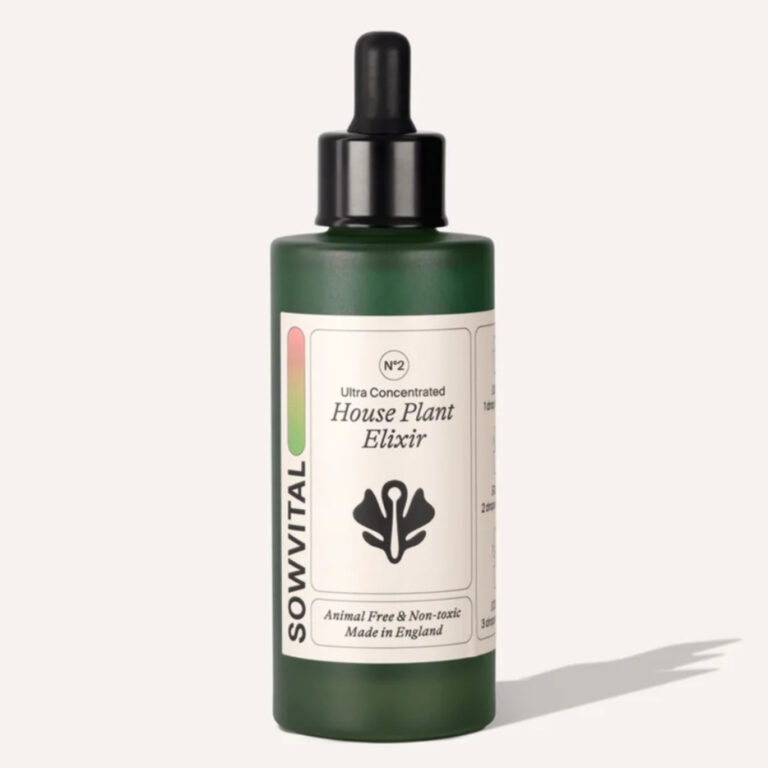
Choosing Vegan-Friendly Fertilisers
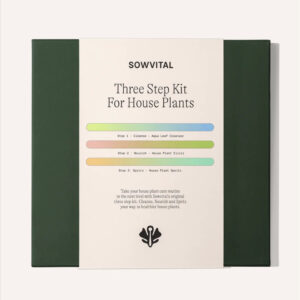
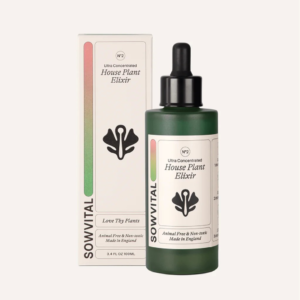
Nutrient-rich soil is essential for healthy plant growth, and fertilisers play a key role in replenishing it. Because many fertiliser manufacturers don’t list the ingredients in order to protect their intellectual property, it can be hard to avoid hidden animal products. Opt for fertilisers with vegan-certification to be certain that you’re not using animal products on your indoor plants.
Related products
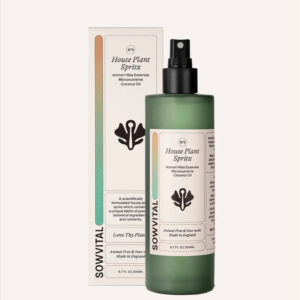

Sustainable Pest Control Solutions
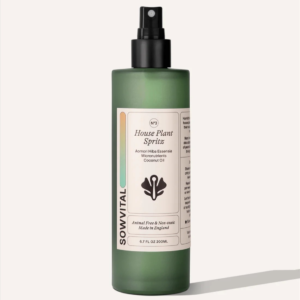
Many pest control methods rely on animal-derived ingredients or harmful chemicals. Vegan alternatives include natural deterrents like diatomaceous earth (from fossilised algae), diluted garlic spray, or companion planting to ward off pests. Introducing non-harmful insect repellents like neem oil—ensuring it’s free of animal additives—can also protect your indoor plants without compromising ethical standards.

Selecting Vegan Potting Mix
Potting mix often contains components like manure or worm castings. To avoid these, look for soil blends labeled vegan or create your own using coco coir, perlite, and compost. Homemade potting mixes provide control over ingredients, ensuring they are both plant-friendly and cruelty-free.

Conclusion
Creating an indoor garden free of animal products is not only possible but also rewarding. By choosing vegan-friendly fertilisers, pest controls, and potting mixes, you can ensure your plants thrive in harmony with your ethical values. With a little research and creativity, your indoor garden can become a beautiful testament to sustainable, cruelty-free living.