Houseplants can transform your living space, adding beauty and improving air quality. To ensure they thrive, understanding their basic needs is essential. While there is no one-size-fits-all approach, there are some common rules which indoor gardeners can follow.
Here’s a comprehensive guide to caring for your indoor plants.

Light Requirements
Light is one of the most crucial factors for healthy houseplants. Each plant has specific light needs—some thrive in bright, direct sunlight, while others prefer low-light conditions. Place high-light plants like succulents and cacti near south- or west-facing windows, and keep low-light plants like pothos or snake plants in shadier spots. For rooms with insufficient natural light, consider supplementing with grow lights.

Watering Wisely
Overwatering is a common mistake that can lead to root rot. Most houseplants prefer to dry out slightly between waterings. Check the top inch of soil with your finger; if it’s dry, it’s time to water. Use room-temperature water to avoid shocking the roots. Always ensure pots have drainage holes, and empty saucers after watering to prevent waterlogging.
Humidity and Temperature
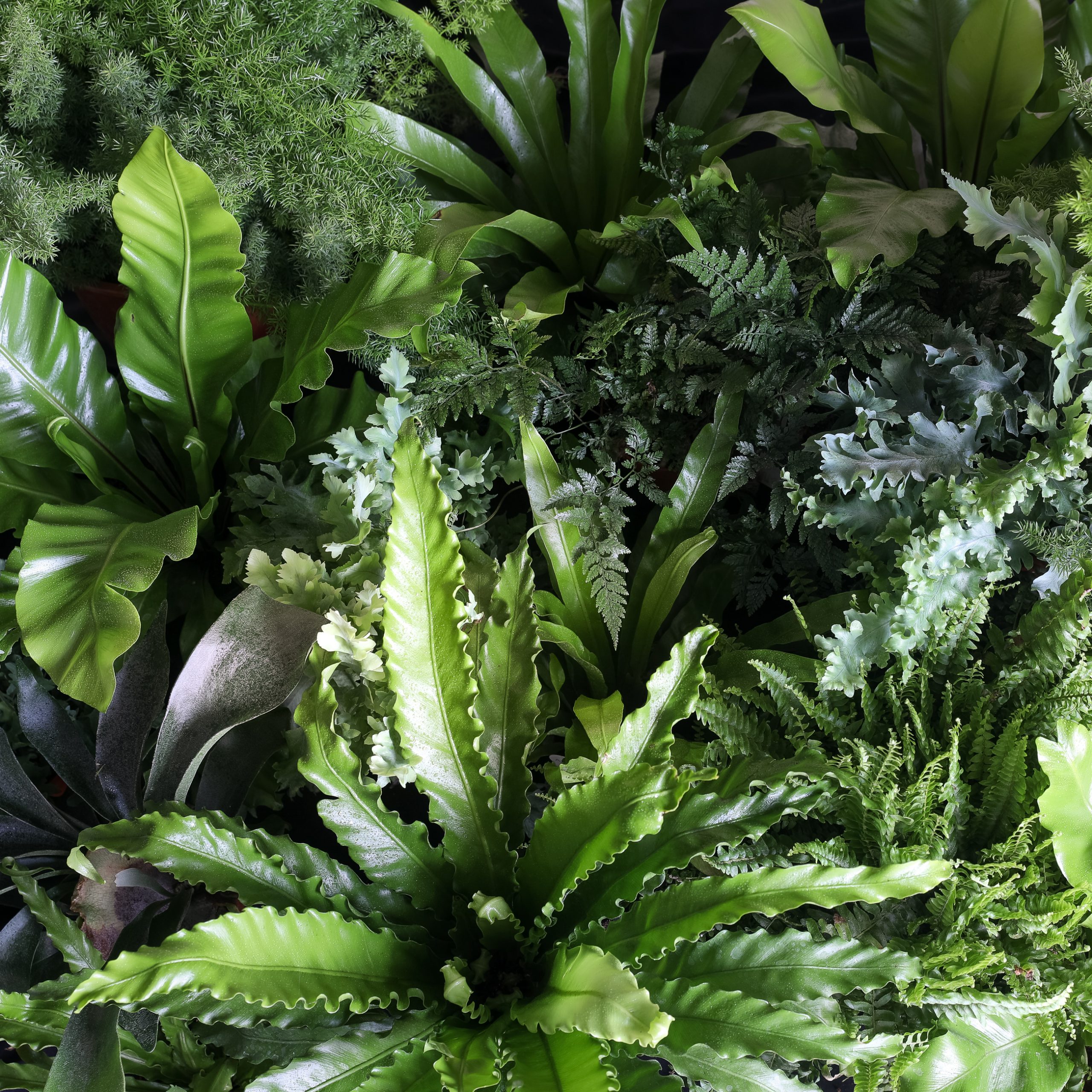
Houseplants, particularly tropical varieties, thrive in environments with moderate to high humidity. If your home is dry, especially in winter, increase humidity with a humidifier, pebble trays filled with water, or by grouping plants together. Maintain a stable temperature between 18°C and 24°C, avoiding drafts and sudden temperature changes.

Soil and Repotting
The right soil mix is critical for healthy plants. Use a well-draining potting mix tailored to your plant’s needs—succulents and cacti require sandy soils, while tropical plants thrive in rich, moisture-retentive mixes. Repot plants every 1-2 years or when they outgrow their containers. Choose a pot slightly larger than the current one to allow room for growth.

Fertilising Regularly
Fertilising provides essential nutrients for growth. During the growing season (spring and summer), feed your plants every 4-6 weeks with a balanced fertiliser. Reduce or stop fertilising in autumn and winter when most houseplants enter dormancy. Always follow the recommended dosage to prevent over-fertilisation, which can harm your plants.
Related products

Pest Control
Houseplants can attract pests like spider mites, aphids, and fungus gnats. Inspect plants regularly for signs of infestation, such as discoloured leaves or sticky residue. Remove pests by washing leaves with a gentle soap solution or using neem oil sprays. Ensure proper care to prevent pests—healthy plants are less prone to infestations.

Pruning and Cleaning
Regular pruning keeps houseplants healthy and attractive. Remove dead or yellowing leaves to encourage new growth and maintain shape. Clean dusty leaves with a damp cloth to ensure efficient photosynthesis and keep your plants looking their best. For climbing or vining plants, provide supports like trellises or moss poles.

Conclusion
With proper light, watering, humidity, and care, your houseplants will flourish and brighten your home. Paying attention to their specific needs ensures they stay vibrant and healthy, rewarding you with their beauty for years to come. Happy growing!