Here at The Palm Centre, we are huge fans of arid plants. We were instrumental in introducing Agave montana to European markets and we stock a wide range of Yucca, Dasylirion, cacti, and other interesting and unusual succulent plants. Many of these can tolerate freezing conditions in their native habitat but growing them in United Kingdom, while possible, can take a bit of extra care and planning.
We’ve written a short guide outlining the basic considerations when planning, planting, and caring for your arid plants in a damp, temperate climate. Keep reading to find out our top tips…
Choose the Right Location and Soil
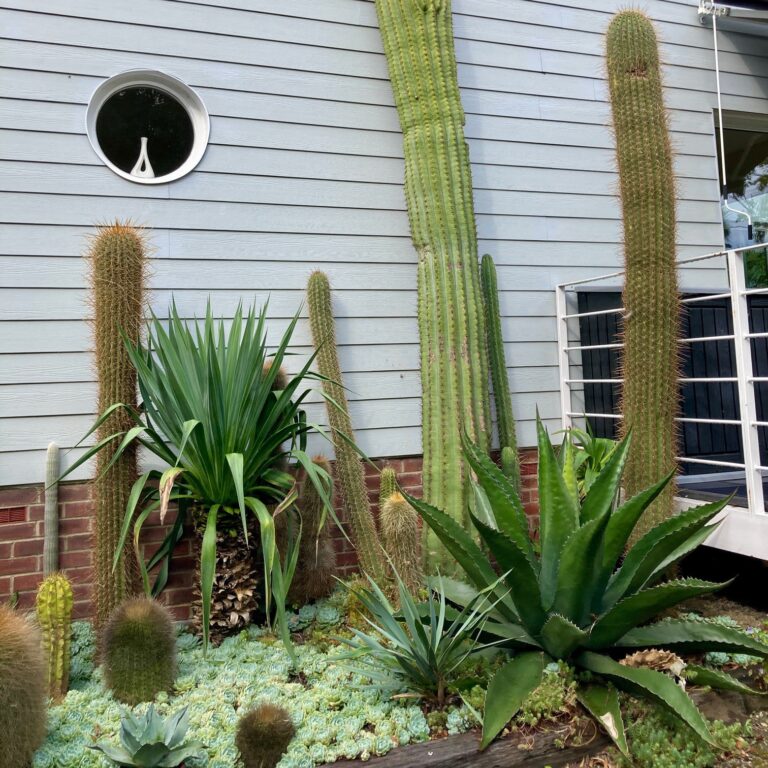
When planting arid species like Yucca, Agave, or cacti in a British garden, location and soil are crucial. These plants thrive in sunny, well-drained areas, so avoid spots that collect water or remain damp during winter. If planting in the ground, elevate the planting bed slightly or create mounds to improve drainage. Mix gravel or sand into the soil to ensure water flows away from the roots quickly, reducing the risk of root rot.
A sunny, south-facing wall provides the best micro-climate as the winter sunshine can help dry off excess moisture. For particularly wet regions, containers may be a better option (see below), as they allow more control over soil and placement, especially when moving plants indoors becomes necessary.

Protect the Roots
Mulching is an essential technique for protecting arid plants from the cold and wet conditions of a British winter. Use a dry, gritty mulch, such as gravel or small stones, around the base of your plants to keep moisture away from the roots while insulating them from cold temperatures. Avoid organic mulches like wood chips or leaves, as these can retain moisture and promote rot.
Ground covers like coarse sand or even pebbles can also enhance drainage, further protecting your plants. Proper mulching helps replicate the natural, arid environment these species are accustomed to, ensuring healthier growth. Some growers report that darker-coloured stones or pebbles will absorb and retain more heat around the plant, but we haven’t tested this ourselves.

Frost Protection: Covers and Shelters
Frost is one of the biggest threats to arid plants in a British winter. Unlike many other frost-prone exotics, arid plants hate being enclosed during cold spells, so ensure that whatever protection you provide allows for adequate air flow.
The ideal way to provide protection from winter cold is to cover the plants with a temporary structure. Materials such as glass or polycarbonate will allow light to get through while keeping cold air (and winter rain: see below) off your plants.
Managing Moisture: Prevent Rot
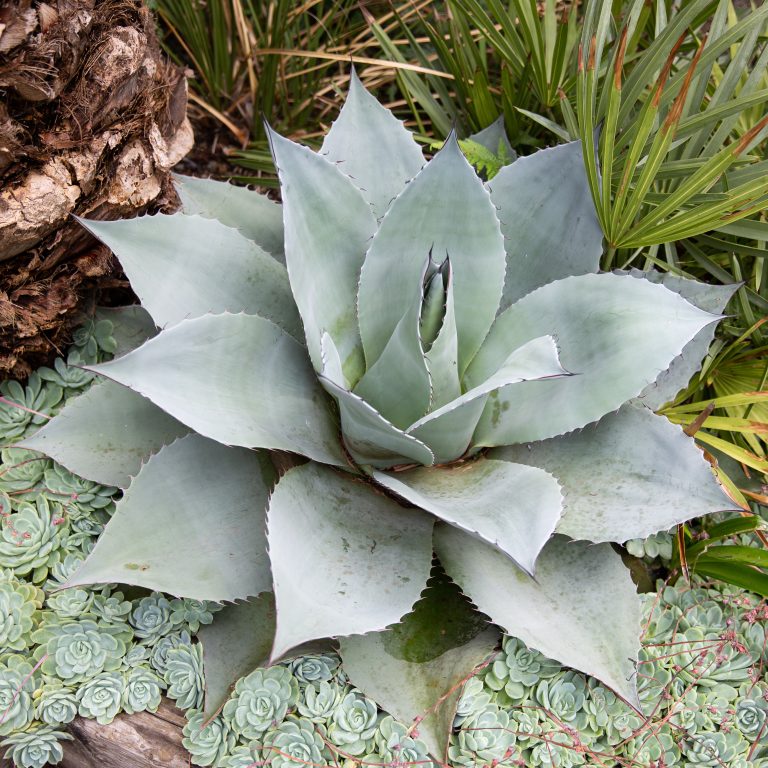
Arid plants are highly susceptible to root and crown rot, especially during the wet British winter. To manage moisture levels, reduce watering in autumn as temperatures drop, allowing the soil to dry out more between waterings. Ensure that drainage is optimal by using well-draining soil mixes with added sand or gravel, particularly in containers. Raised beds can also help improve drainage in gardens. Avoid letting water pool around the plant’s base, as this will lead to soggy roots and fungal infections. By controlling moisture, you can safeguard your arid plants from the excessive dampness of winter.
As mentioned previously, building a temporary structure over your plants for winter is the best way to protect them. But always be sure to allow air flow around the plants. Sealed enclosures will trap cold, damp air which is bad news for arid plants. Some growers put the structures in place mid-autumn, to restrict rain from getting into the soil before the cold weather arrives. An alternative to temporary structures is to site your arids underneath an evergreen tree or shrub. Although this will provide some protection from rain and frost, it may also limit the amount of sunlight that reaches the plants so you have to bear this in mind.

Container Gardening
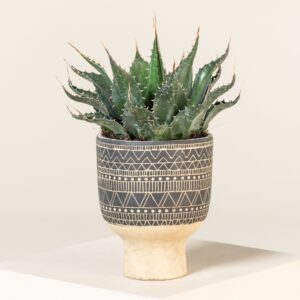
For more delicate arid plants, container gardening offers the flexibility of moving them indoors when winter arrives. Plants like cacti, Agave, and small Yuccas can be brought inside to a bright, cool room or a greenhouse, protecting them from cold and moisture. Ensure containers have excellent drainage by using pots with drainage holes and a gritty soil mix. When moving plants indoors, avoid placing them in areas with too much heat, as they are adapted to cooler temperatures in winter. By keeping them dry and providing sufficient light, you can maintain their health until they can be returned outdoors in spring.
Container gardening also has the added benefit of allowing you to move your plants around during the growing season to highlight plants when they are looking their best.