Dreaming of a fuller, more vibrant houseplant collection? You don’t need to settle for those spindly single vines any longer! With a few expert tricks, you can transform your Monstera, Scindapsus, and Philodendron into branching beauties that will fill your home with lush, cascading greenery. Read on to uncover the secrets plant enthusiasts swear by to make your vining houseplants explode with new growth!
Vine plants like Monstera, Scindapsus, and Philodendron naturally grow in a way that focuses their energy on one main stem, or “leader.” This growth habit helps them climb up trees or other surfaces in the wild, reaching for light. Since they’re busy growing upward, they don’t branch out much on their own.
For vining plants like Monstera, Scindapsus, and Philodendron, limited natural branching is a strategy known as apical dominance. This growth pattern prioritizes the main apical bud at the tip of the plant, which releases auxins that inhibit lateral bud growth. By suppressing these side shoots, the plant efficiently directs its resources toward vertical growth, allowing it to reach sunlight more quickly in its natural environment, where it climbs up trees or other structures.

Vining houseplants such as Monstera, Scindapsus, and Philodendron bring lush, cascading foliage to indoor spaces. However, these plants often grow as single vines, resulting in a sparser appearance. By encouraging them to branch, you can create fuller, more robust plants that look spectacular in any home. Here’s a quick guide to getting those vines to develop more branches.
The reason they don’t branch naturally is that their energy goes into making that main vine longer and taller. In nature, it’s more important for these plants to grow up toward the light than to grow wide. So unless something happens to break or cut the main stem, which then forces them to “rethink” their growth, they’ll keep stretching upward without branching out.
By trimming or pinching the main stem, you can encourage them to put energy into creating new branches rather than just continuing to climb.
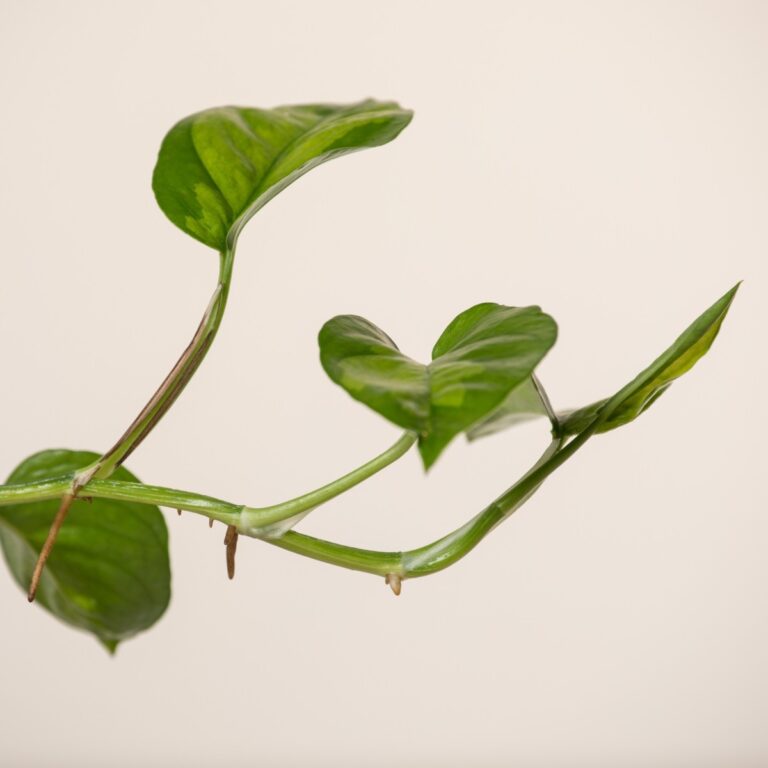
The Pruning Trick That Instantly Promotes New Branches
Want more branches? A simple snip above a leaf node can make all the difference! This easy pruning method works wonders, signalling the plant to grow more stems and leaves. By cutting above a node, you’ll signal the plant to redirect its energy to produce new growth from nodes below the cut, often resulting in multiple new branches.
Try it once, and you’ll see a new level of fullness almost immediately!
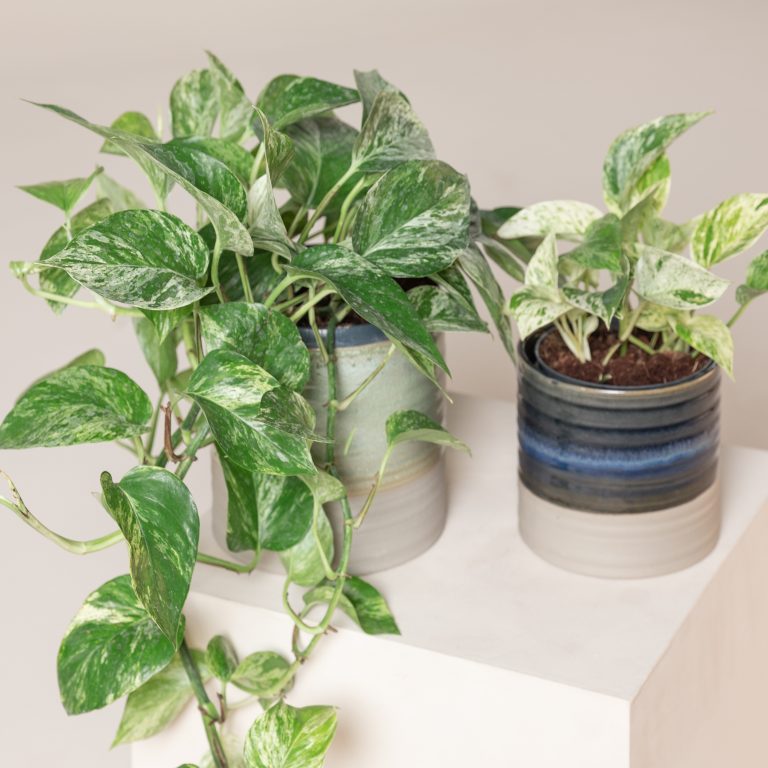
Try Pinching – A Small Move With Big Results!
Here’s a secret only seasoned plant lovers know: pinching! By gently pinching off the growing tips of your vine, you can trigger fresh growth from lower nodes. This low-effort technique will encourage new side shoots and make your plant look more lush with each pinch.
Pinching, which involves removing just the tip of a growing vine, is a gentle way to encourage the plant to produce side shoots.
This technique can help Scindapsus, Philodendron, and even some Monstera species produce additional growth without drastic cuts. Aim to pinch just above a leaf node for the best results.
Science bit

Train for Success with Horizontal Growth
Did you know you can control your plant’s growth direction? When you support your plant vertically and train it to grow horizontally, it releases hormones that spark branching. Just one simple adjustment can lead to bushier, more stunning growth.
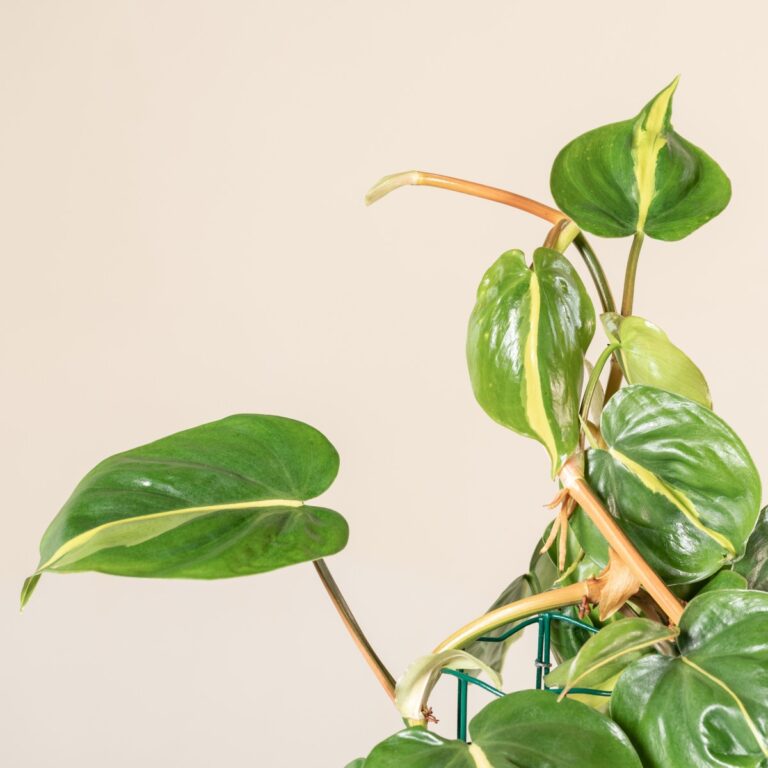
Provide support like a moss pole or trellis to guide your plant upward, then train vines horizontally as they grow. Horizontal growth alters the plant’s hormones and can encourage more lateral branching, helping the plant grow fuller. For plants that are already mature, slightly loosening or bending the main vine along the support can also encourage new shoots.





Go Pro with Plant Hormones
Ready for the next level? Plant hormones like auxin can be used to “nudge” certain nodes into producing new shoots. It’s a bit of an insider secret, but the results can be dramatic. Carefully apply auxin to nodes along the main stem, and watch your plant become the fullest it’s ever been!
For advanced growers, applying a plant hormone like auxin to certain nodes can stimulate new growth. While this requires some experience and caution, it can be a powerful way to direct energy toward the formation of new branches, especially in slow-growing plants.