Monstera deliciosa, commonly known as the “Swiss Cheese Plant,” is renowned for its striking fenestrated leaves, full of splits and windows to allow light to penetrate to the lower parts of the plant. However, achieving those dramatic fenestrations requires specific care conditions. Whether you are nurturing a young plant or trying to get an older plant to grow larger leaves, this guide will help you encourage strong growth and those iconic leaf splits.

1. Light: The Key to Fenestration
Fenestrations, or leaf splits, develop as a natural adaptation that allows Monstera to withstand tropical storms and maximise light absorption. The most important factor in triggering fenestration is providing the right amount of light.
To encourage optimal leaf development, ensure your Monstera is placed in bright, indirect light. An ideal spot would be near an east- or west-facing window, where it can receive consistent light throughout the day without direct exposure to harsh sunlight. Direct sun should be avoided, as it can scorch the leaves and cause damage that may prevent future fenestrations.
If your space does not receive enough natural light—such as in north-facing rooms—using full-spectrum LED grow lights can supplement the plant’s needs. These lights mimic natural daylight and help sustain healthy growth.
It is important to note that young Monstera plants will not have fenestrations right away. Typically, splits begin to appear after two to three years, so patience is essential when caring for a juvenile plant.

2. Training Your Monstera to Climb
In the wild, Monstera deliciosa naturally climbs trees to reach better light conditions. This climbing habit is key to producing larger leaves with deeper fenestrations. To replicate this natural growth pattern indoors, it is essential to provide structural support, such as a moss pole.
To train your Monstera to climb, attach its aerial roots to the moss pole using soft ties. This will encourage the plant to secure itself and grow vertically. Additionally, keeping the moss pole moist will help the roots attach more effectively, promoting a stronger and healthier climbing structure.
Without proper support, your Monstera may develop smaller leaves and grow horizontally instead of upwards. Providing a sturdy structure not only improves aesthetics but also encourages the plant to develop its characteristic large and split leaves.

3. Watering and Soil: Preventing Root Rot
One of the most common mistakes that hinder Monstera growth is overwatering, which can quickly lead to root rot and stunted development. To maintain healthy roots and encourage large leaves, it is crucial to water the plant only when the top two inches of soil feel dry to the touch.
The right soil composition also plays a significant role in preventing excess moisture retention. A well-draining soil mix is essential, ideally consisting of standard indoor potting soil combined with approximately 30% perlite or orchid bark. This ensures proper aeration and drainage, reducing the risk of root rot.
Choosing the right pot also contributes to maintaining optimal soil conditions. Terracotta pots, for example, help absorb excess moisture and prevent water from accumulating at the roots, further protecting the plant from overwatering issues.

4. Humidity and Fertiliser for Bigger Leaves
Since Monstera originates from tropical environments, high humidity is an important factor in encouraging robust growth and large, split leaves. Ideally, the humidity level should be kept at 60% or higher to mimic their natural habitat. If your indoor environment is dry, using a humidifier or placing a pebble tray filled with water beneath the plant can help maintain adequate humidity levels.
Fertilisation is another key element in promoting healthy, vigorous growth. Applying a balanced liquid fertiliser every four to six weeks during the growing season (spring and summer) provides essential nutrients that support larger leaf development and strong roots. Regular feeding ensures that the plant has all the necessary nutrients to produce its characteristic large, fenestrated leaves.

5. Pruning and Repotting for Healthy Growth
Occasional pruning helps redirect the plant’s energy toward new, larger growth. Removing older, smaller leaves allows the plant to focus on producing fresh, healthy foliage.
Repotting is also necessary to maintain a thriving Monstera. As the plant grows, its roots will eventually outgrow their container, leading to restricted growth and potential nutrient deficiencies. Repotting every one to two years into a pot that is 5-10cm larger in diameter ensures the plant has enough space to expand.

6. Troubleshooting Common Issues
If your Monstera is not developing fenestrations, the most likely cause is inadequate lighting. Increasing the light exposure, either by moving the plant closer to a window or using grow lights, can encourage leaf splits. Additionally, providing a moss pole to support climbing can further stimulate larger leaf production.
Yellowing leaves can indicate overwatering or insufficient humidity. Checking soil moisture levels and adjusting watering frequency accordingly can help resolve this issue. If the air is too dry, increasing humidity with a humidifier or pebble tray can prevent further leaf discolouration.
By following these care tips, your Monstera deliciosa will thrive, developing the iconic fenestrated leaves that make it such a stunning indoor plant.
Related products



Related reading
Unlock the Secret to Lush, Full Vining Houseplants: How to Make Your Monstera, Scindapsus, and Philodendron Branch Like Crazy!
Dreaming of a fuller, more vibrant houseplant collection? You don’t need to settle for those spindly single vines any longer! With a few expert tricks, you can transform your Monstera, Scindapsus, and Philodendron into branching beauties that will fill your home with lush, cascading greenery. Read on to uncover the secrets plant enthusiasts swear by to make your vining houseplants explode with new growth!
Read article
Houseplants 101: Essential care guide for all your houseplants
Houseplants can transform your living space, adding beauty and improving air quality. To ensure they thrive, understanding their basic needs is essential. While there is no one-size-fits-all approach, there are some common rules which indoor gardeners can follow.
Here’s a comprehensive guide to caring for your indoor plants.
Read article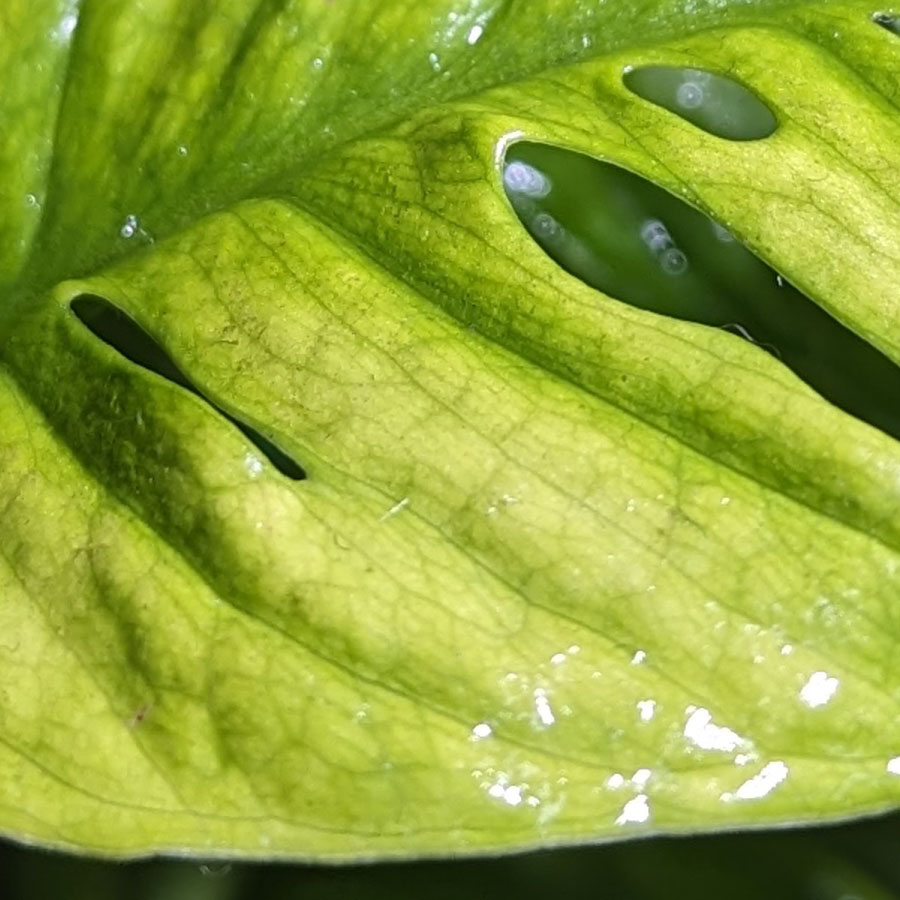
Unveiling the Mystery of Chlorosis: How to Revive Your Yellowing Houseplants
Chlorosis in houseplants is a common issue where the leaves lose their green colouration due to insufficient chlorophyll production. This can be caused by various factors such as nutrient deficiencies, improper watering, poor soil quality, inadequate sunlight, and/or pests and diseases.
Read article