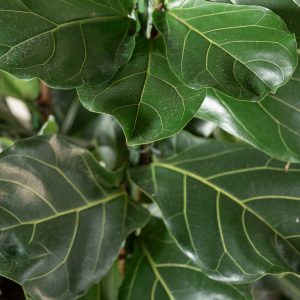
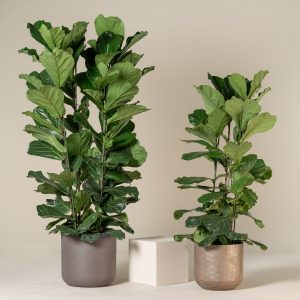
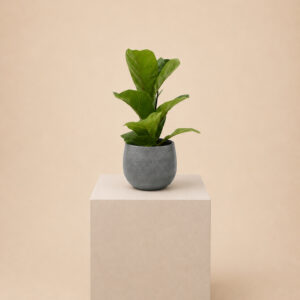
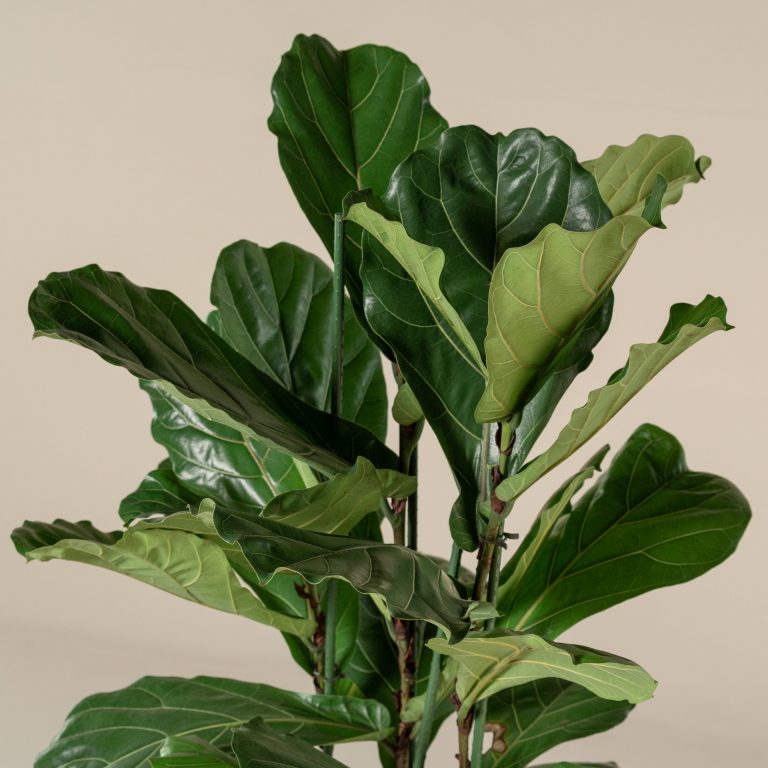
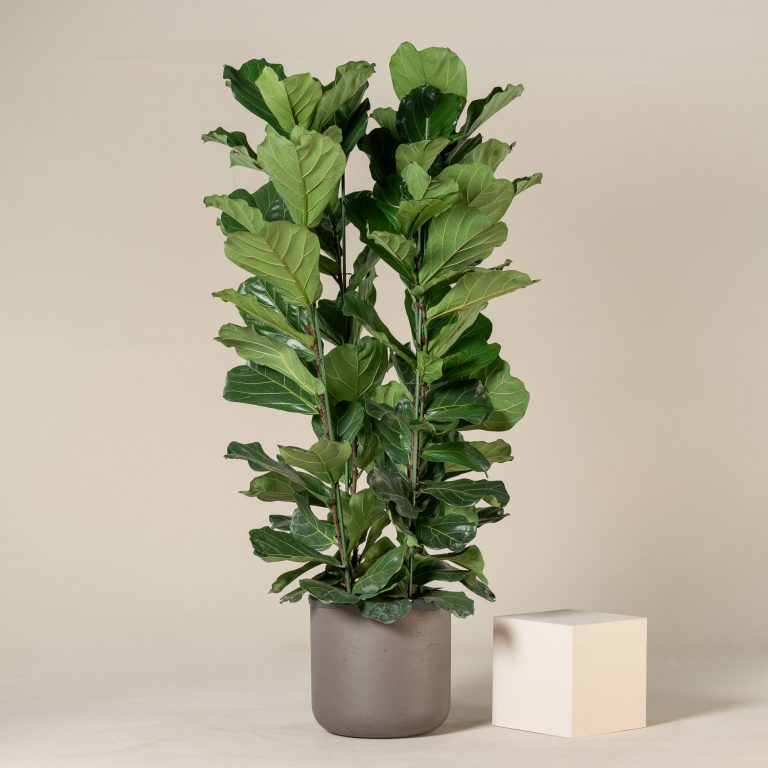
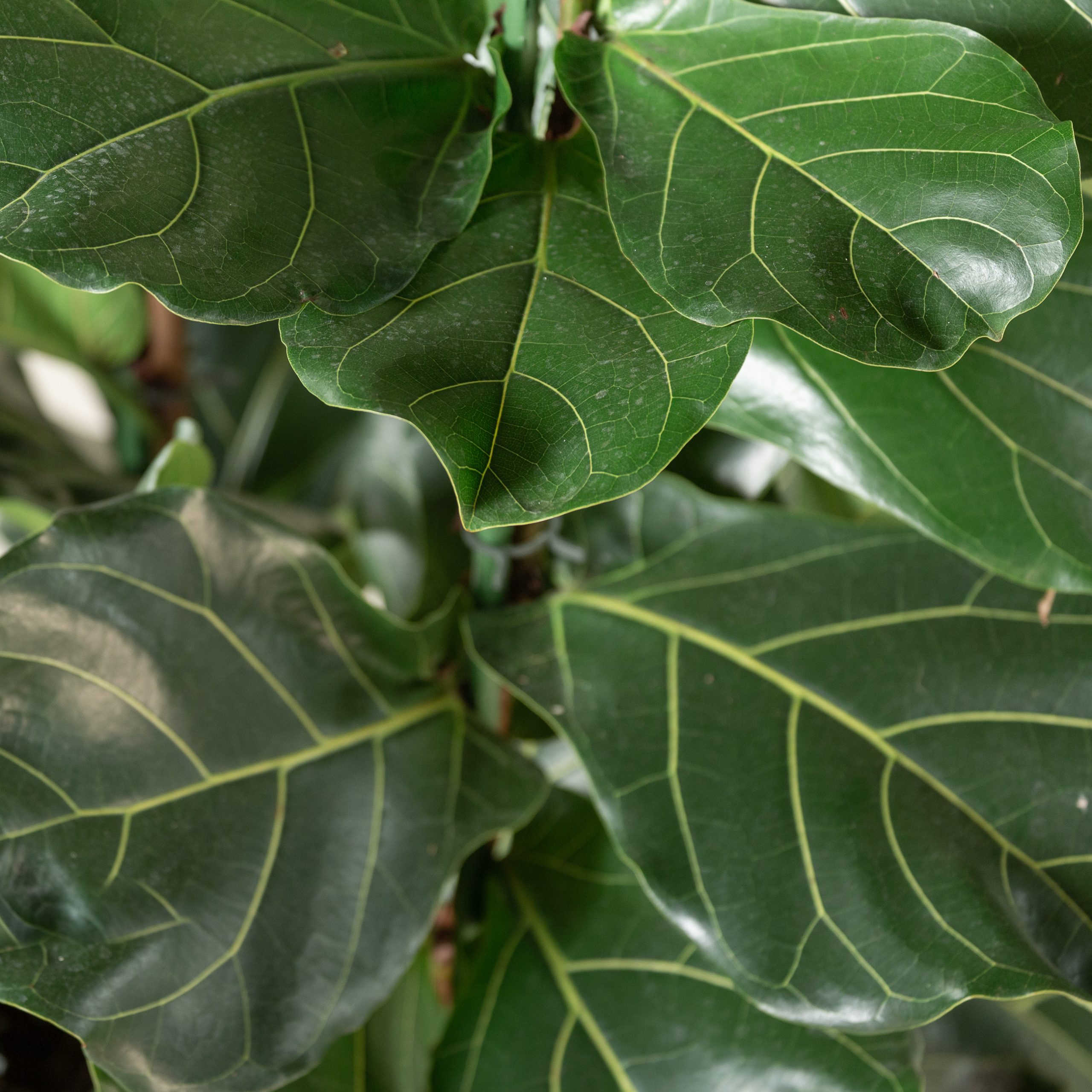
Ficus lyrata, commonly known as the fiddle leaf fig, is a stunning tropical plant prized for its large, violin-shaped leaves and dramatic presence. While it can be a bit finicky, with the right care, it can thrive and become a showstopper in your home. This guide is divided into six chapters to help you master the art of caring for this beautiful plant. With proper care, your Ficus lyrata will reward you with lush, vibrant foliage and become a stunning focal point in your home.
1. Light Requirements
Ficus lyrata thrives in bright, indirect light. Place it near a north or east-facing window where it can receive plenty of filtered sunlight. Direct sunlight can scorch its leaves, while too little light can cause leggy growth and leaf drop.
If natural light is limited, consider supplementing with a grow light. Rotate the plant every few weeks to ensure even growth, as fiddle leaf figs tend to lean toward the light source.
Avoid sudden changes in lighting conditions, as this can stress the plant. Gradually acclimatise it to new environments to prevent shock.

2. Watering and Humidity
Water your fiddle leaf fig when the top 2-3 inches of soil feel dry. Overwatering can lead to root rot, while underwatering can cause leaves to brown and drop. Use room-temperature water and ensure the pot has proper drainage.
Ficus lyrata prefers high humidity, mimicking its native tropical environment. Mist the leaves regularly, use a humidifier, or stand the plant on a tray of wet pebbles to increase humidity.
During winter, reduce watering frequency as the plant’s growth slows. Always check the soil moisture before watering to avoid over-saturation.
3. Soil and Fertilisers
A well-draining, indoor potting mix is ideal for Ficus lyrata. You can also add perlite or sand to improve drainage and aeration. Repot the plant every 1-2 years to refresh the soil and accommodate growth.
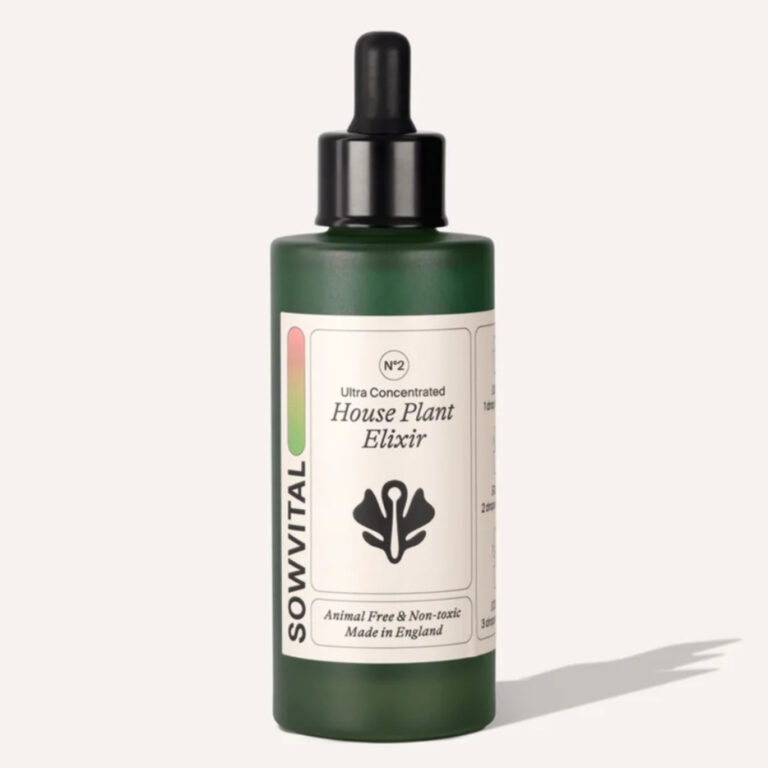
Fertilise during the growing season (spring and summer) with a balanced, water-soluble fertiliser every 4-6 weeks. Avoid over-fertilising, as this can lead to salt and mineral buildup which can damage the roots.
In autumn and winter, reduce or stop fertilising, as the plant enters a dormant phase and requires fewer nutrients.
4. Temperature and Environment
Fiddle leaf figs prefer temperatures between 15-25°C. Avoid placing them near draughts, air conditioners, or heaters, as sudden temperature fluctuations can cause stress.
Keep the plant away from cold windows during winter, as temperatures below 7°C can harm it. Consistency is key to maintaining a healthy environment for your Ficus lyrata.
If you move the plant outdoors during warmer months, ensure it’s in a shaded spot and bring it back inside before temperatures drop.
5. Pruning and Shaping
Regular pruning helps maintain the shape and size of your fiddle leaf fig. Use clean, sharp scissors or pruning shears to remove dead or damaged leaves and encourage bushier growth.
To promote a tree-like shape, trim the lower leaves and focus on the upper canopy. Pruning also improves air circulation, reducing the risk of pests and diseases.
Always prune during the growing season to allow the plant to recover quickly. Avoid over-pruning, as this can stress the plant.

6. Common Problems and Solutions
Yellowing leaves often indicate overwatering or poor drainage. Adjust your watering schedule and ensure the pot has adequate drainage holes.
Brown, crispy edges can result from low humidity or underwatering. Increase humidity levels and check the soil moisture regularly.
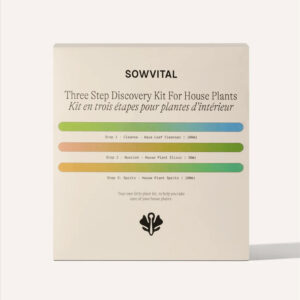
Pests like spider mites and mealybugs can occasionally infest Ficus lyrata. Wipe the leaves with a damp cloth and use a product such as SB Invigorator to keep pests at bay. Regularly inspect your plant to catch issues early.