Hardy palm trees are celebrated for their resilience across varied climates, from chilly winters to scorching summers. These species not only add a tropical flair to any garden but also excel in withstanding temperature fluctuations and adapting to less-than-ideal soil conditions.
The need to replant a palm tree often arises when it outgrows its initial space, experiences environmental stress, or requires a change due to new landscaping designs. This guide focuses on the best practices for replanting, giving your palms the best chance to thrive after being transplanted.
Why Replant a Hardy Palm Tree?
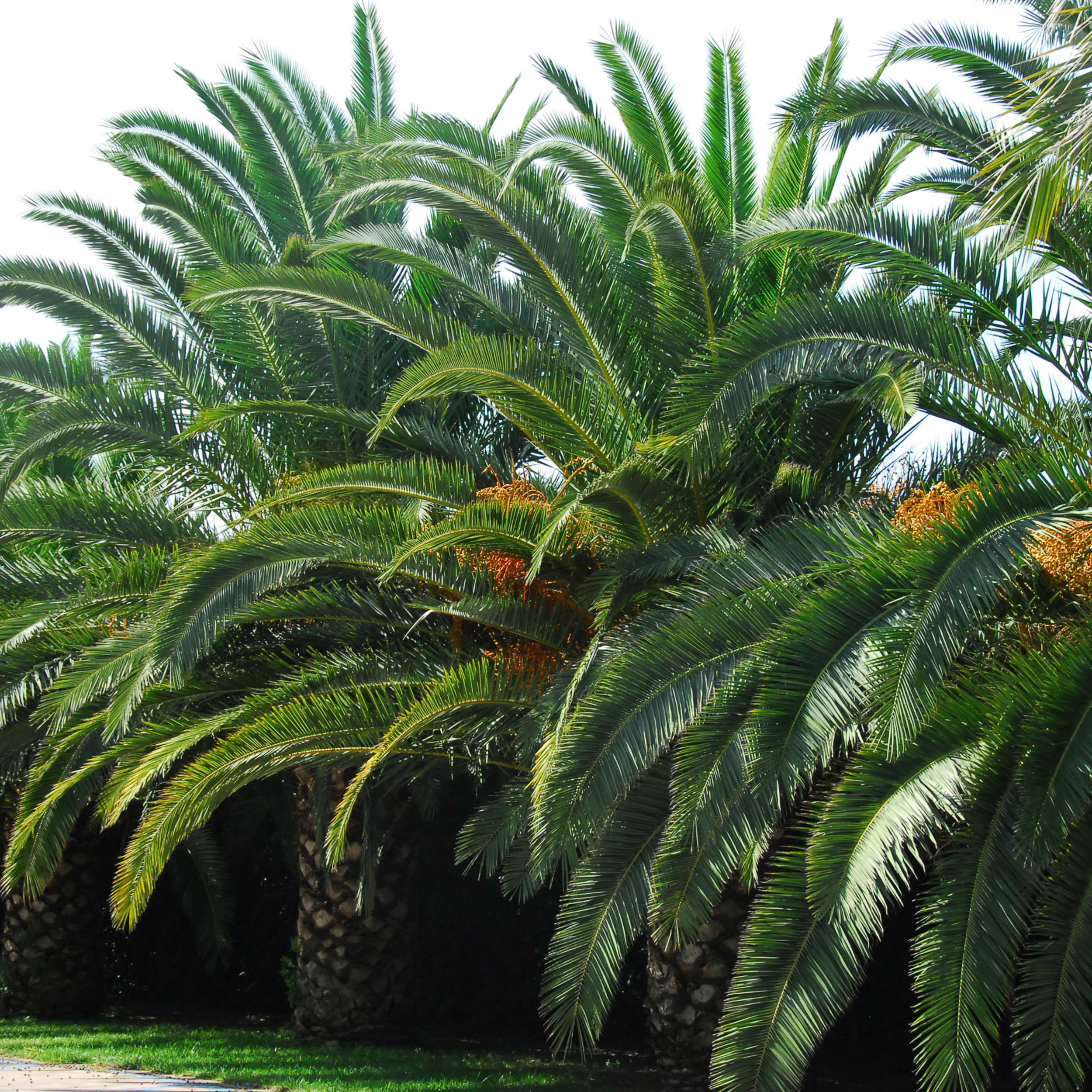
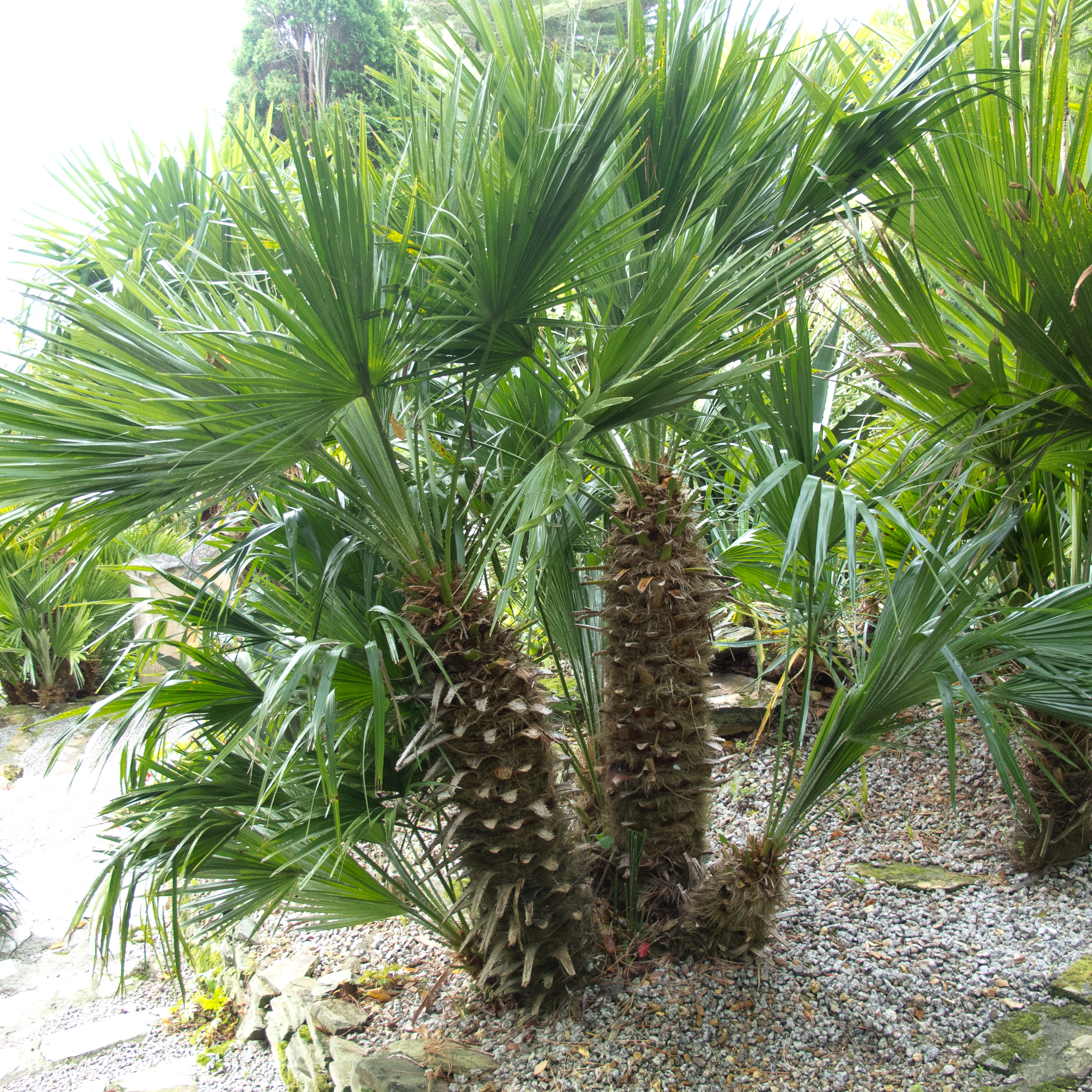
Replanting may be necessary for several reasons, including root crowding, insufficient light affecting growth, or depleted soil nutrients. For example, a Chamaerops humilis in a shaded area may require a move to a sunnier location to reach its full potential, while a Trachycarpus fortunei could need relocation to accommodate its growth away from nearby structures.
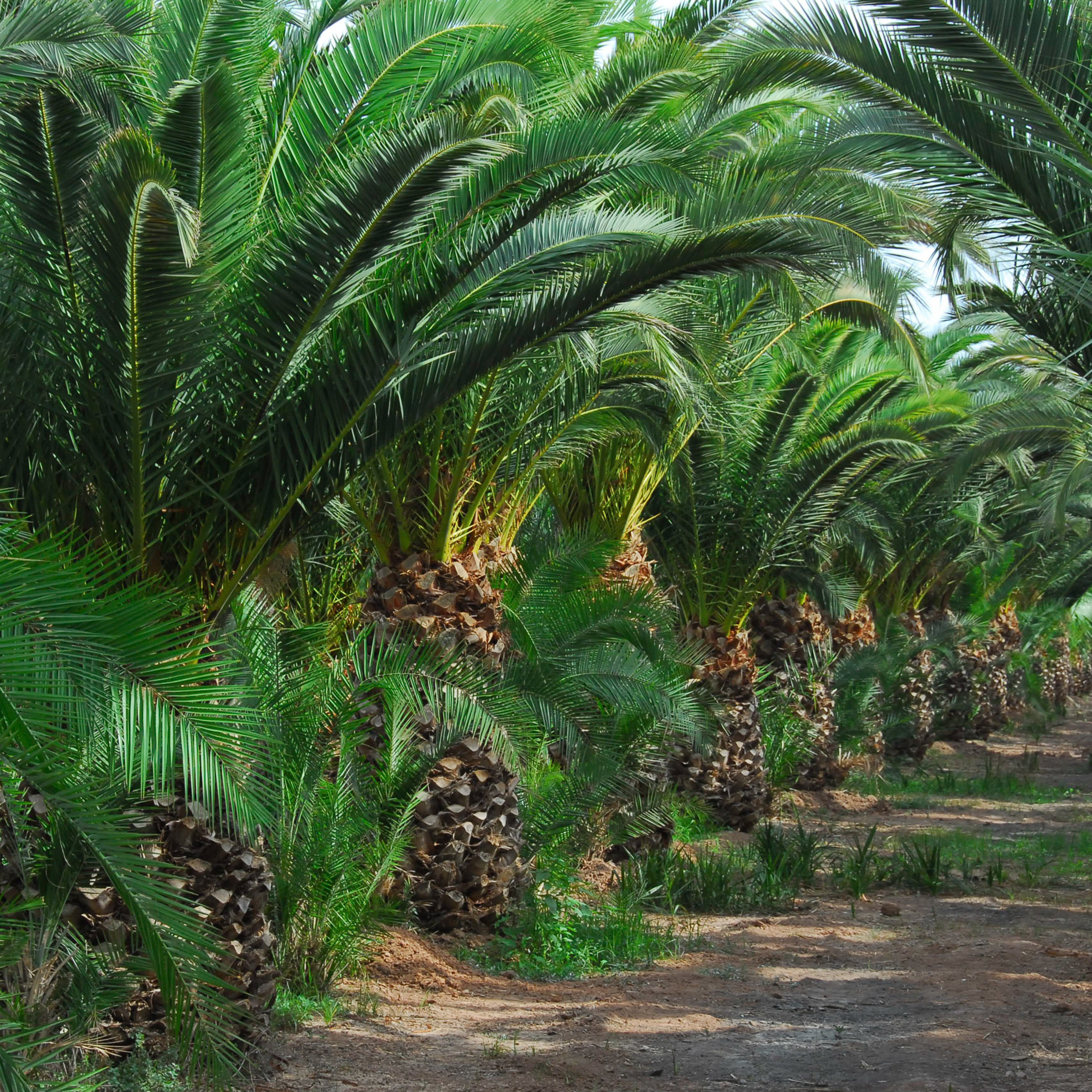
Another common reason is that palms grow larger than expected and begin to block light from windows, particularly for species like Phoenix canariensis, which are notably resilient and can rebound well if transplanted correctly.

Best Time to Replant Palm Trees
Choosing the right time to replant is crucial to minimise transplant shock. The optimal times are early spring or early autumn, when cooler temperatures can ease the transition. For species like Trachycarpus and Chamaerops, early spring is ideal as it allows roots to establish before the onset of summer heat. Conversely, a species like Butia, which prefers warmer soil, may benefit from a late spring transplant. Always refer to species-specific guidelines to accommodate unique needs.
Plan Ahead
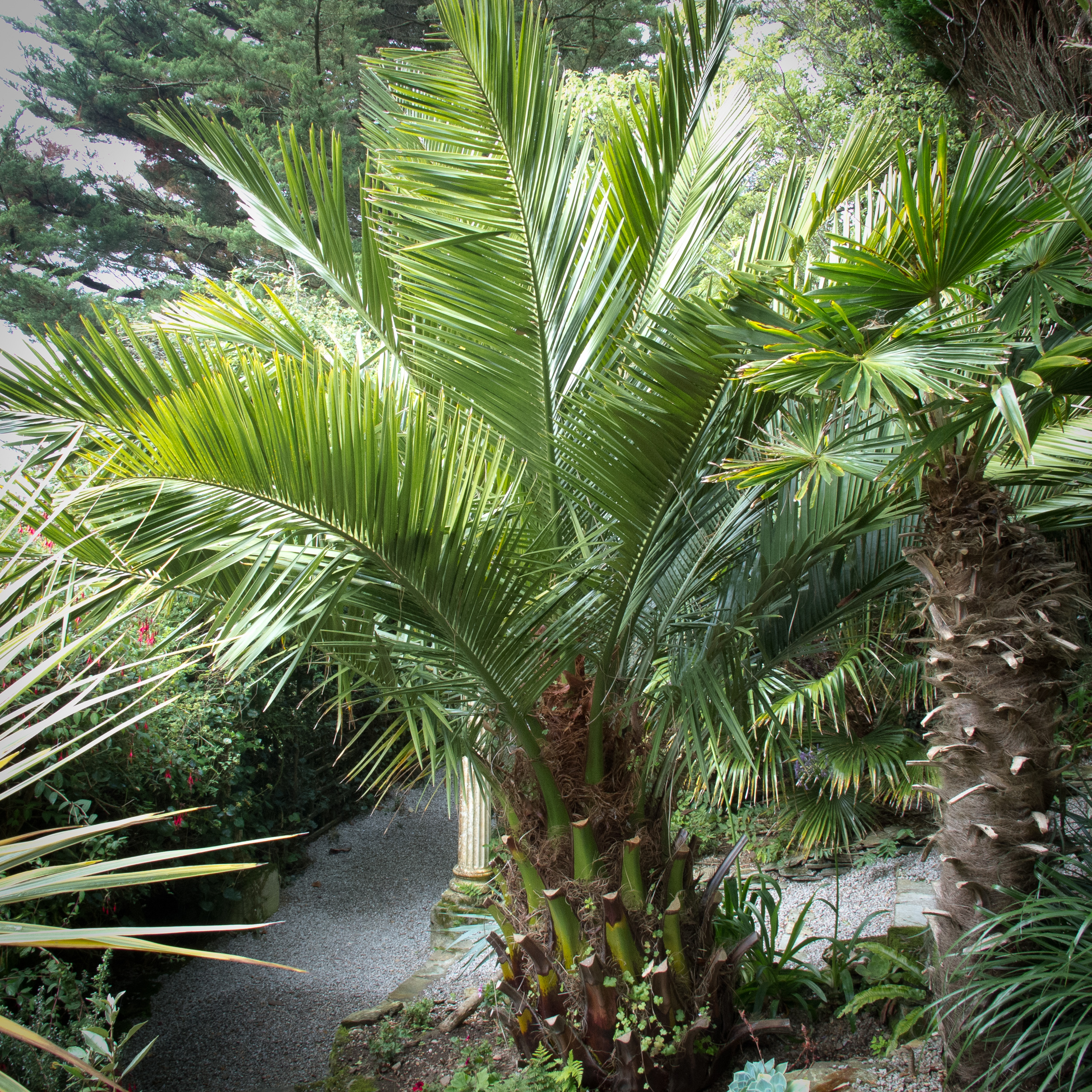
Some palms such as Trachycarpus are able to quickly grow new roots after being transplanted, whereas other (Butia, Jubaea, Phoenix) can take more time to settle in and grow enough roots to sustain a healthy crown of leaves. For the latter group, it is a good idea to prepare the palm for transplanting 6-12 months ahead of time. This is done by digging a trench around one half of the plant, approximately 30-40cm away from the trunk, and about 50-60cm deep. The purpose of this is to cut through roots on one half of the plant, to encourage it to produce new roots from the base of the trunk. This means that when it comes time to dig up the palm and move it to a new location, it will already have a set of new roots ready to grow into the new planting hole.

Site Selection
Choose a location that offers well-draining soil and appropriate sunlight. For instance, Phoenix canariensis thrives in full sun, whereas Trachycarpus fortunei are happy in partial shade. In exposed and windy locations, it will be important to stake/prop the palm well for up to two years following the transplant, as new roots can be damaged if the plant rocks in the wind.
Prepare the new site by digging a hole twice as wide as the root ball and just as deep, amending the soil with compost to enrich it, which is especially beneficial for heavy feeders like Butia. Water the palm thoroughly one to two days before the move to facilitate easier root extraction.

Digging Up the Palm Tree
Initiate the process by trenching around the palm, keeping a distance of 30-40cm from the trunk to preserve the root ball. Enlist help for larger species like mature Jubaea or Phoenix palms due to their size and weight. Use a sharp shovel to cleanly slice through the roots, minimising damage and potential disease risks.
Wrap the root ball in burlap to maintain moisture, and trim any damaged fronds with sterilised shears. Depending on the size of the palm, you may require several strong people and a hoist or winch lift to manoeuvre the palm.

Replanting the Palm Correctly
When replanting, place the palm centrally within the hole, ensuring the root crown is slightly above the soil level to prevent rot. Backfill with a mix of native soil and compost, gently tamping down to remove air pockets. For species like Butia and Phoenix, incorporate some horticultural sand or grit to enhance drainage if necessary.
Immediately water the palm deeply to settle the soil and establish a watering basin around the trunk to help direct moisture straight to the roots. There is strong evidence to suggest that using a diluted seaweed-based fertiliser will stimulate new root growth and lessen transplant-shock.
To Trim or Not to Trim?
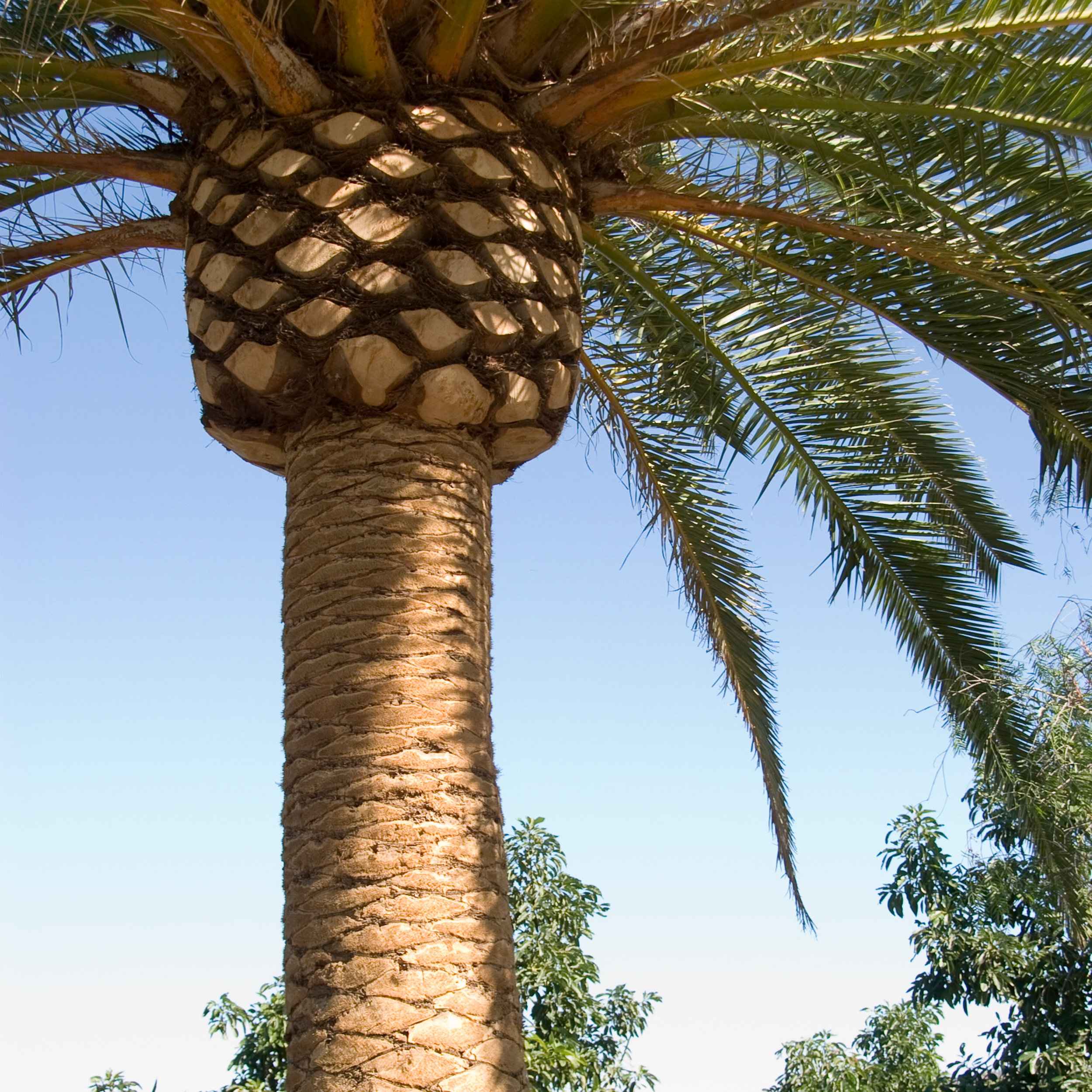
Experts are divided over this, but some believe that when transplanting a palm, it is a good idea to trim the crown by about 50%, removing the older/lower leaves. The thinking behind this is twofold: Firstly, it is said that when a palm is transplanted, the root system suffers a set-back and, as a result, is less able to supply water and nutrients to the plant. By removing some of the leaves, this shock is mitigated as the palm will not have to work so hard to maintain the crown. Secondly, it is believed that by reducing the crown, you are lessening the effects of wind and evaporation, allowing the roots to bed in faster. Indeed, in warmer climates with a longer growing season, transplanted palms are sometimes stripped of their entire crown, leaving only the emerging leaves – often referred to as spears – at the top.

Keep Watering
Maintain consistent soil moisture for the first 4–6 weeks, longer in warm weather. Species like Chamaerops and Trachycarpus do well with moderate watering, whereas Phoenix may require more frequent watering in dry climates. If you don’t have an irrigation system, invest in a soaker hose to place around the base of the plant and let this run for 20-30 minutes, several times per week.
Mulching and Fertilising
Apply a 10cm layer of mulch around the base of the palm, making sure it doesn’t touch the trunk, to help retain moisture and regulate soil temperature.
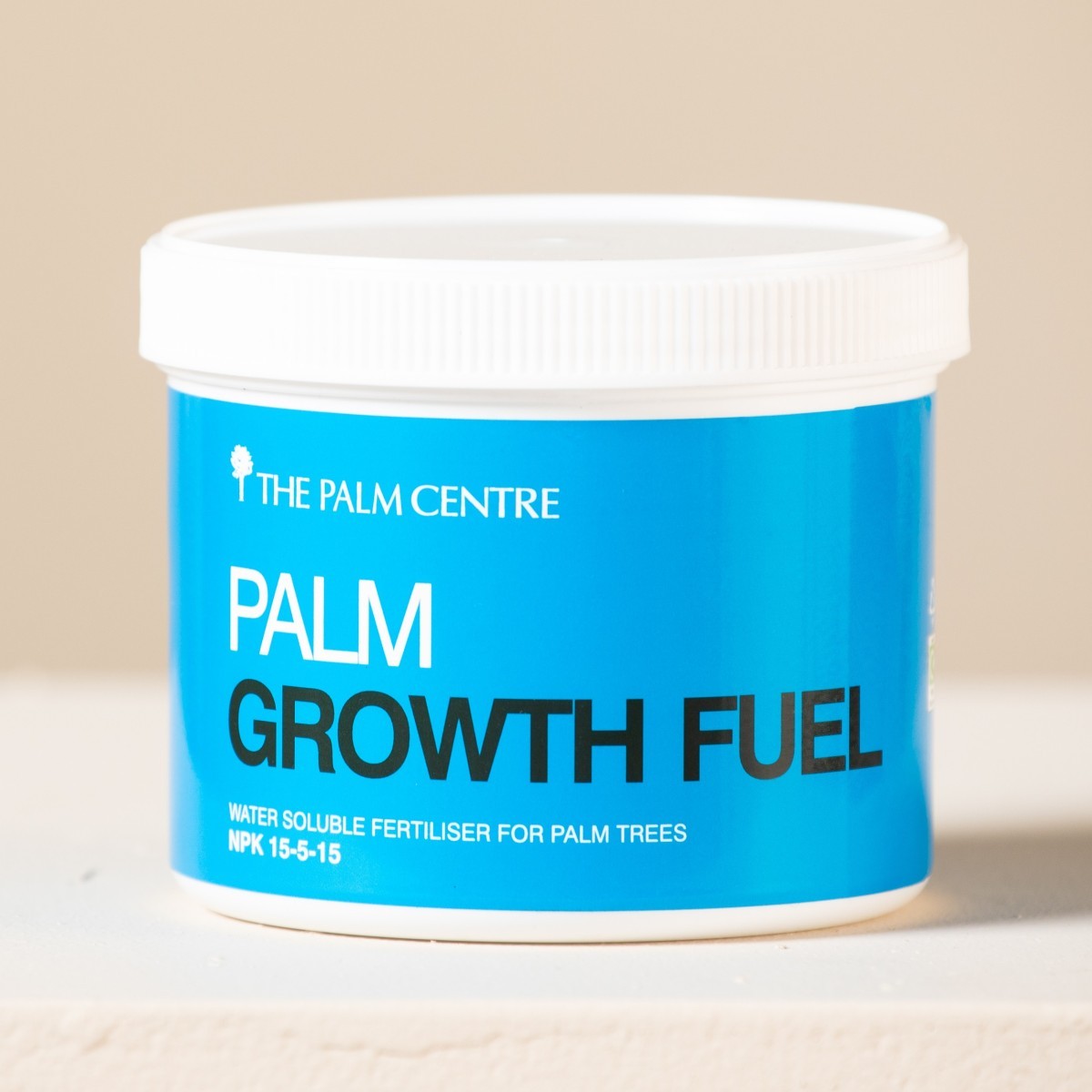
With the exception of liquid seaweed, refrain from fertilising for the first 2–3 months to allow the roots to recover. After this period, use a palm-specific fertiliser to encourage new growth.
Common Mistakes to Avoid
Avoid transplanting during winter as it can stunt growth, and be sure not to bury the root crown too deep, especially in Phoenix species, to avoid rot. Digging up too small a rootball can stress the palm and lead to transplant shock and plant decline, and neglecting specific soil requirements, such as amending heavy clay soils, can lead to poor root health and development.

Conclusion: Ensuring Long-Term Success
With careful planning and attentive care, replanting hardy palms like Trachycarpus, Butia, and Phoenix can lead to lush and resilient regrowth. By timing your transplant correctly, preserving the roots, and providing thorough aftercare, your palm should adapt smoothly to its new environment. Whether you’re relocating a majestic Phoenix canariensis or a compact Chamaerops humilis, following these important steps will increase your chance of success in replanting your treasured palms.
Final Tip!
Keep an eye on your palm for any signs of stress, such as yellowing fronds or slowed growth, and adjust your care routine as necessary to ensure a healthy recovery. For more information, see our blog post about diagnosing and treating mineral deficiencies in palms.
Related products


Related reading

Top Five Hardy Palms for the UK
If you’ve just discovered the wonderful world of hardy exotic gardening then you might be wondering what palm trees you can grow in the UK climate. Here’s our list of the top five that we recommend.
Read article
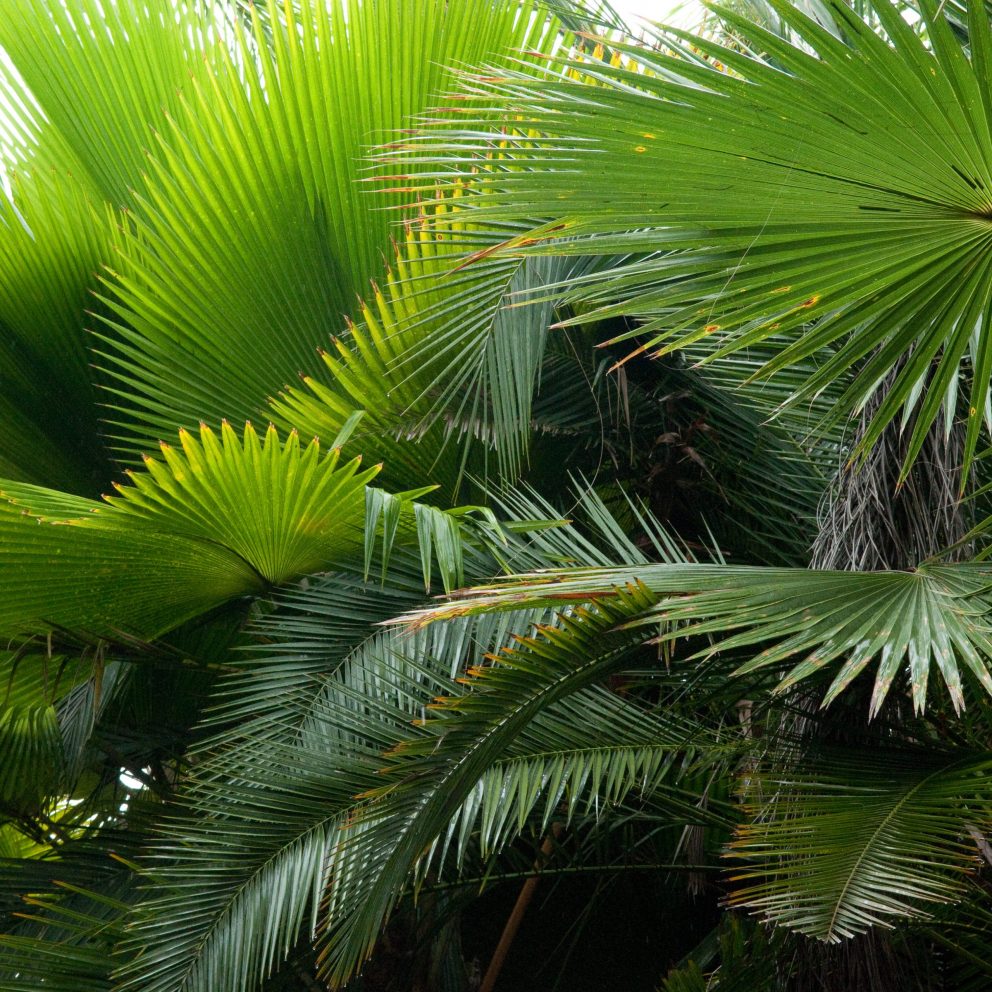
Palm Perfection 101: How to look after your garden palm trees
Most palms need tropical or subtropical temperatures, but there are some suitable for planting outdoors in the British Isles.
Hardy palms are invaluable as structural plants in tropical-style gardens and look effective when planted with bananas, bamboos and New Zealand flax.
Read article Mineral Deficiencies in Hardy Palms
Hardy palms are a favourite among UK gardeners, bringing a touch of the tropics to British gardens without needing to worry about winter frosts. But like all plants, hardy palms require a balanced nutrient supply to maintain their green, vibrant appearance—particularly in the UK’s temperamental climate. Two essential nutrients that can support hardy palms are iron and magnesium, provided through iron sulphate and magnesium sulphate (Epsom salts). Let’s explore how these nutrients can benefit hardy palms in the UK, signs of deficiency to watch for, and safe application methods.
Read article