Why Protecting Tree Ferns in Winter is Important
Dicksonia antarctica, native to Australia and Tasmania, can survive UK winters, but they aren’t frost-proof. When the temperature falls, the moisture in their trunks and the crown (where new fronds grow) can freeze, damaging or killing the plant. Protecting these ferns is a matter of insulating them against the cold, particularly when there’s frost.
Step-by-Step Guide to Overwintering Tree Ferns

1. Water Well Before Winter
Hydration is Key: Tree ferns store water in their trunks. Before the temperatures start to drop, make sure your fern is well-watered.
Timing: Water the trunk and the surrounding soil thoroughly in late autumn, as a well-hydrated fern is more resilient to cold and dry winds.

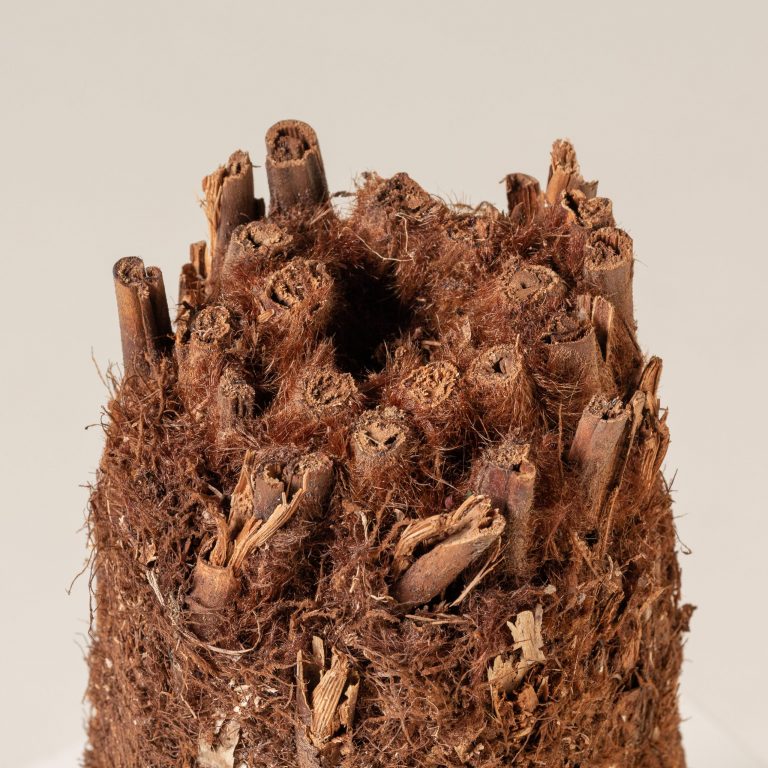
2. Protect the Crown
Why the Crown? The crown is where new growth originates, so it’s the most critical area to protect.
How to Protect: Pack the crown with a layer of straw, dry leaves, or horticultural fleece. This layer provides insulation against frost and keeps moisture in, which is vital during cold months when the plant is dormant.

3. Wrap the Trunk
Insulating the Trunk: Wrapping the trunk protects it from freezing and drying out. This is particularly important for young or recently planted ferns, which are more vulnerable.
Materials to Use: You can use horticultural fleece or layers of hessian sacking to wrap the trunk. Ensure the wrap is loose enough to allow air circulation but snug enough to provide insulation.
Avoid Plastic: Do not wrap the trunk with plastic bags or any non-breathable material, as these can trap moisture and lead to rot.

4. Secure the Fronds
Tying the Fronds: If you prefer, you can either tie the fronds down loosely against the trunk., or bunch them upwards and tie them up above the trunk. This can help to keep the crown warm and prevents the fronds from breaking in strong winter winds.
Cutting Back: We recommend that you NEVER cut the fronds off your tree fern, unless they are completely brown and hanging down at an angle of less than 45°. Routine cutting off of fronds prematurely can result in a condition known as ‘crown narrowing’ whereby the space at the top of the trunk where new growth emerges becomes smaller and smaller, constricting and stunting new growth and eventually killing the plant.

5. Provide Extra Insulation During Hard Frosts
Additional Covering for Severe Weather: In the UK, occasional severe frosts can damage tree ferns despite standard winter preparations. During particularly harsh weather (the Beast From The East, for example), cover the entire fern, including the trunk and fronds, with a horticultural fleece. Fleece jackets are ideal for this as they are available in a range of sizes and can be placed over the top of the plant and the drawstring keeps them tight and secure.
Temporary Coverings: You can use a frost blanket, but be sure to remove it once temperatures rise above freezing. Prolonged covering can lead to condensation and moisture build-up, which might rot the plant.
6. Monitor and Adjust as Needed
Check for Signs of Rot: Periodically, check the crown and trunk for any signs of rot, particularly during milder spells when the wrap may trap moisture.
Adjust as Temperatures Change: If a warm spell arrives, consider temporarily loosening or removing the insulation to prevent moisture build-up, particularly around the crown.

7. Remove Protection at the Correct Time
In early spring, when the danger of frost has passed and daytime temperatures are consistently warmer, you can begin removing the insulation. However, avoid uncovering the fern too early; UK weather can be unpredictable, with hard frosts returning even in March.
Once the threat of frost has passed, remove the mulch from the crown and unwrap the trunk so it can benefit from spring rains and sunlight.

Additional Tips for Overwintering Dicksonia antarctica
Young Ferns Need Extra Attention: Young or recently planted Dicksonia antarctica are more vulnerable to frost and may require extra layers of protection.
Location Matters: If possible, plant tree ferns in sheltered parts of your garden to provide natural protection from wind and frost.
Move Potted Tree Ferns: If your fern is in a pot, consider moving it to a more sheltered location, such as a greenhouse, garden shed, or conservatory, during the coldest months.

Conclusion
Tree ferns like Dicksonia antarctica can thrive in the UK with the right winter care. By preparing them for the cold with careful watering, insulation, and protection, you can help ensure they’ll continue to bring a lush, tropical touch to your garden year after year.
Remember, proper winter protection isn’t just about keeping the plant alive—it’s about setting it up for a vibrant and healthy growing season when spring arrives.