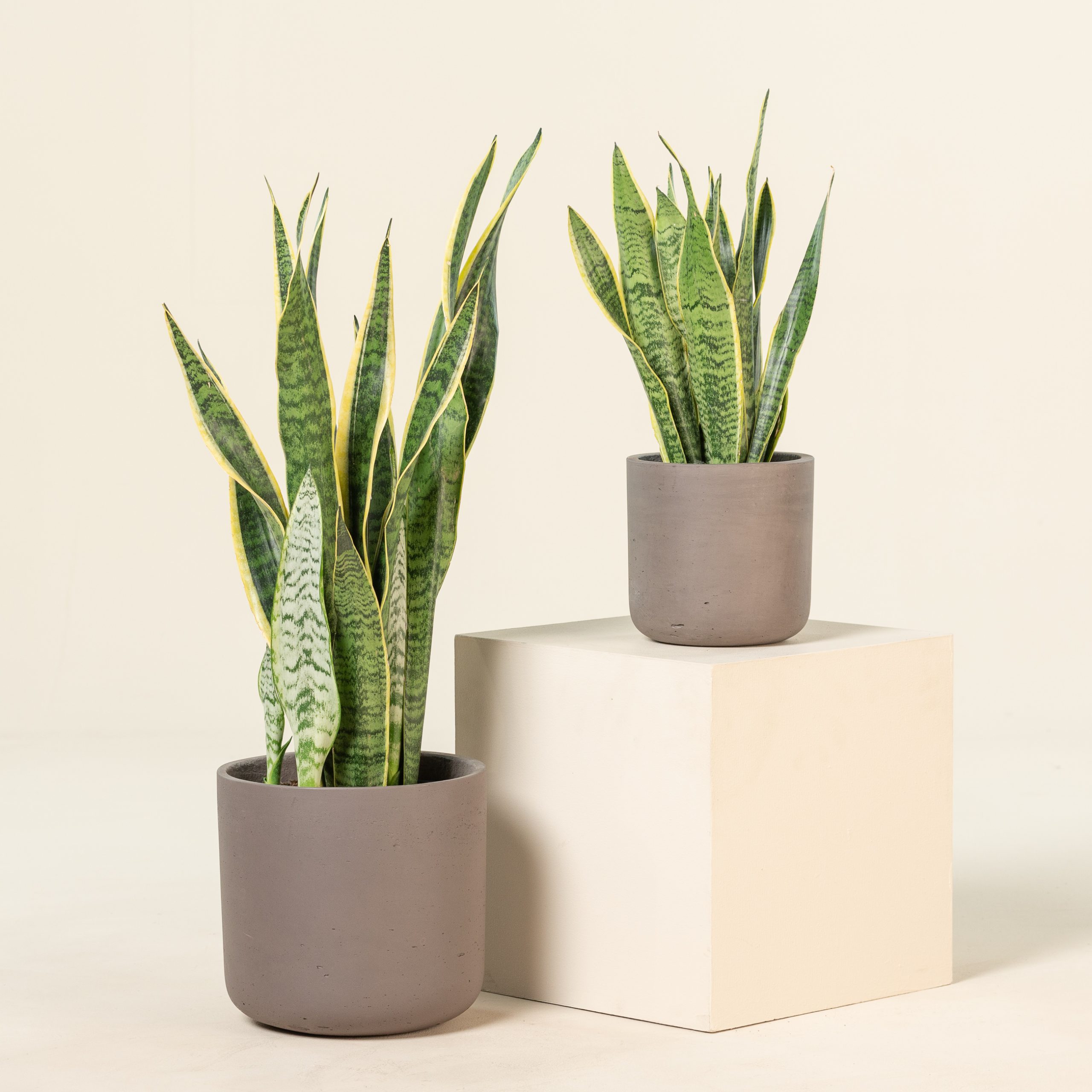
Snake plants, also known as mother-in-law’s tongue, were previously known by the Latin name Sansevieria, but have recently been reclassified as Dracaena. They are popular houseplants prized for their sleek, upright leaves and easy-care nature. If you’re looking to add some greenery to your home without much hassle, here’s everything you need to know about keeping your snake plant healthy and vibrant indoors.

1. Choose The Right Spot
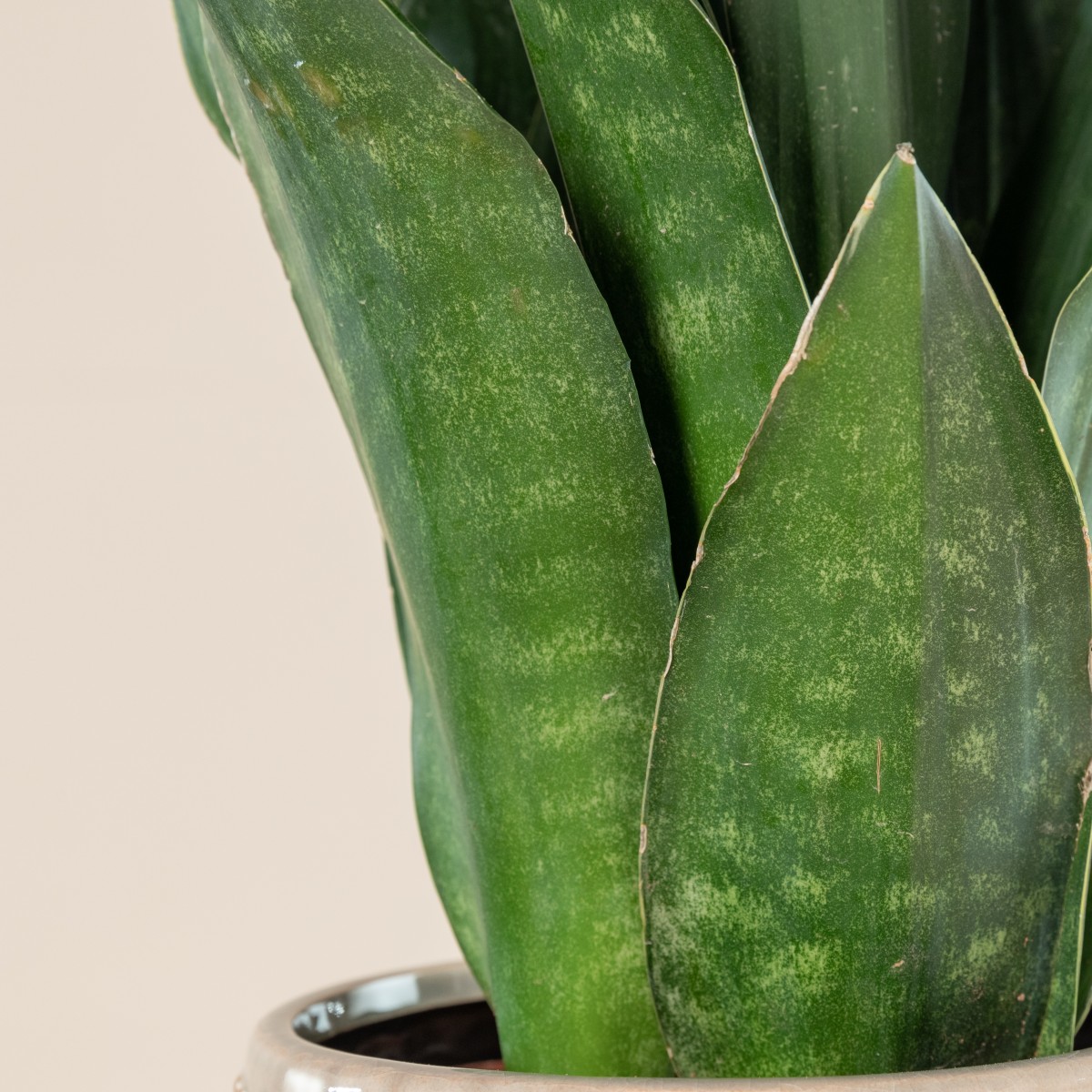
Snake plants are adaptable to a variety of lighting conditions, from low light to bright, indirect sunlight. However, they thrive best in indirect light, as direct sunlight can scorch their leaves over time. If you only have a darker corner, snake plants will still survive, though they may grow more slowly. Consider rotating them between dark corners and brightly-lit spots.
2. Water Wisely
Snake plants are succulents, so they don’t require much water. Allow the soil to dry out completely between waterings, especially in low light or during colder months. Overwatering is the most common cause of root rot in snake plants, so a good rule of thumb is to water only once every 2-4 weeks, depending on the environment’s humidity and temperature.

3. Choose the Right Pot and Soil
Well-draining soil is essential for snake plants. Use a cactus or succulent mix to prevent water retention, or mix regular potting soil with sand or perlite for better drainage. Plant your snake plant in a pot with drainage holes to allow excess water to escape and prevent root rot.

4. Go Easy on the Fertiliser
Snake plants don’t need heavy fertilisation. A balanced, low-nitrogen fertiliser once in spring and once in summer should suffice to encourage steady growth. Avoid fertilising in autumn and winter, as snake plants go dormant during these seasons and require fewer nutrients.

5. Monitor for Pests
Although generally hardy, snake plants can occasionally be affected by pests like spider mites and mealybugs. If you notice small white or red spots, wipe the leaves with a damp cloth and spray with SB Plant Invigorator. Avoid overwatering and maintain good air circulation to minimise the risk of pests and fungal issues.
Conclusion
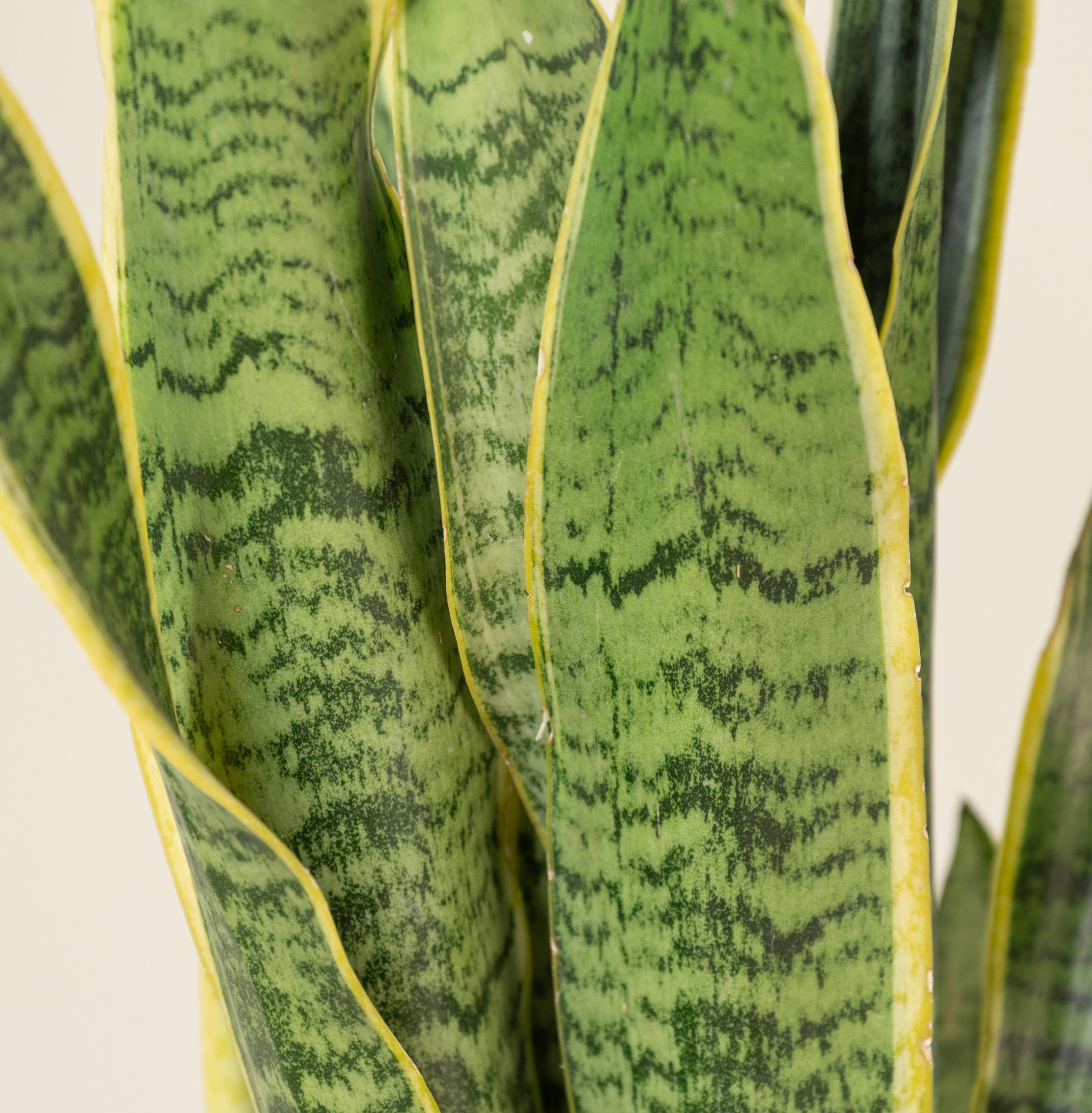
With minimal maintenance, snake plants are a beautiful and low-stress addition to any indoor space. By following the above care guidelines, your snake plant will thrive, adding fresh air and an elegant touch to your home.
Related reading
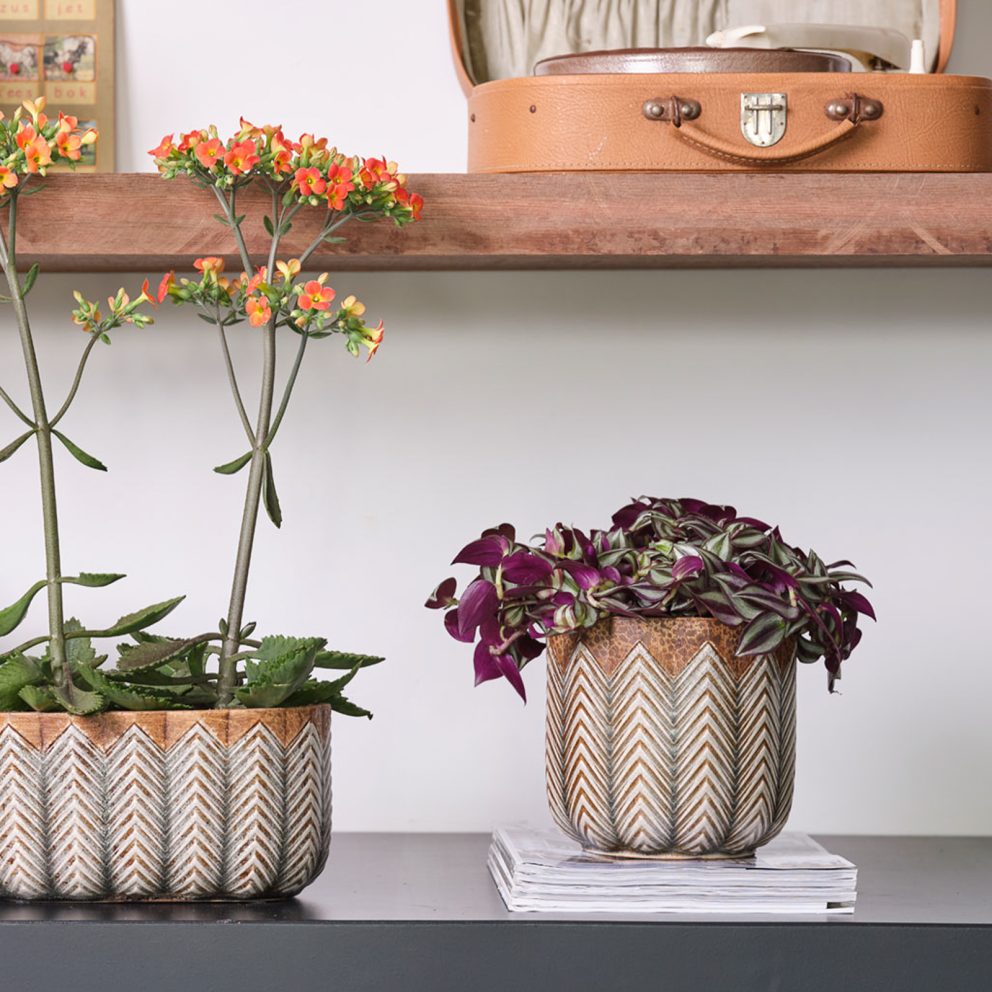
Top 5 Air Purifying Houseplants
As well as their aesthetic appeal, many houseplants also act as air purifiers, absorbing pollutants and releasing oxygen. Read our top five picks below.
Read article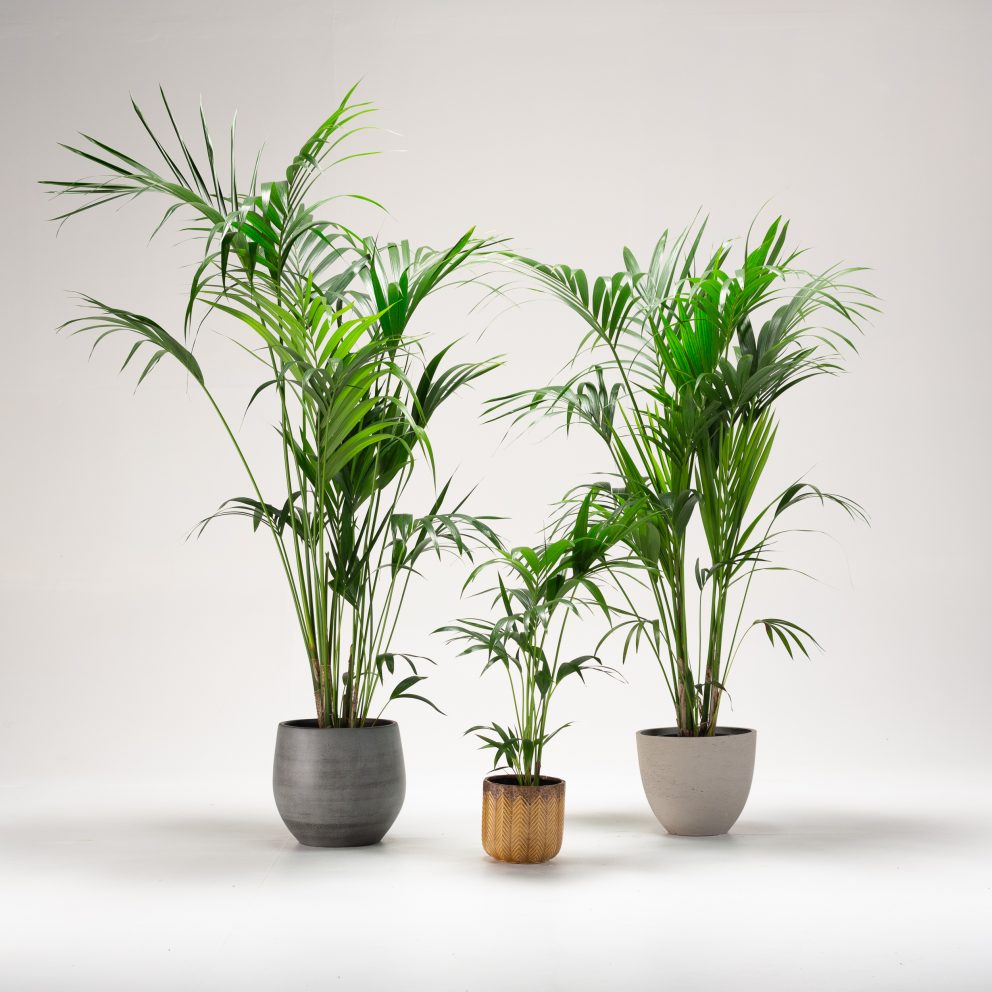
Choosing decorative pots for your indoor plants
Most of the plants sold online will be delivered to you in plastic nursery pots. These are not always the best looking and most likely won’t fit any home style you may have. Here are some tips on how to choose the decorative pot that is the appropriate size for your newly purchased plant.
Read article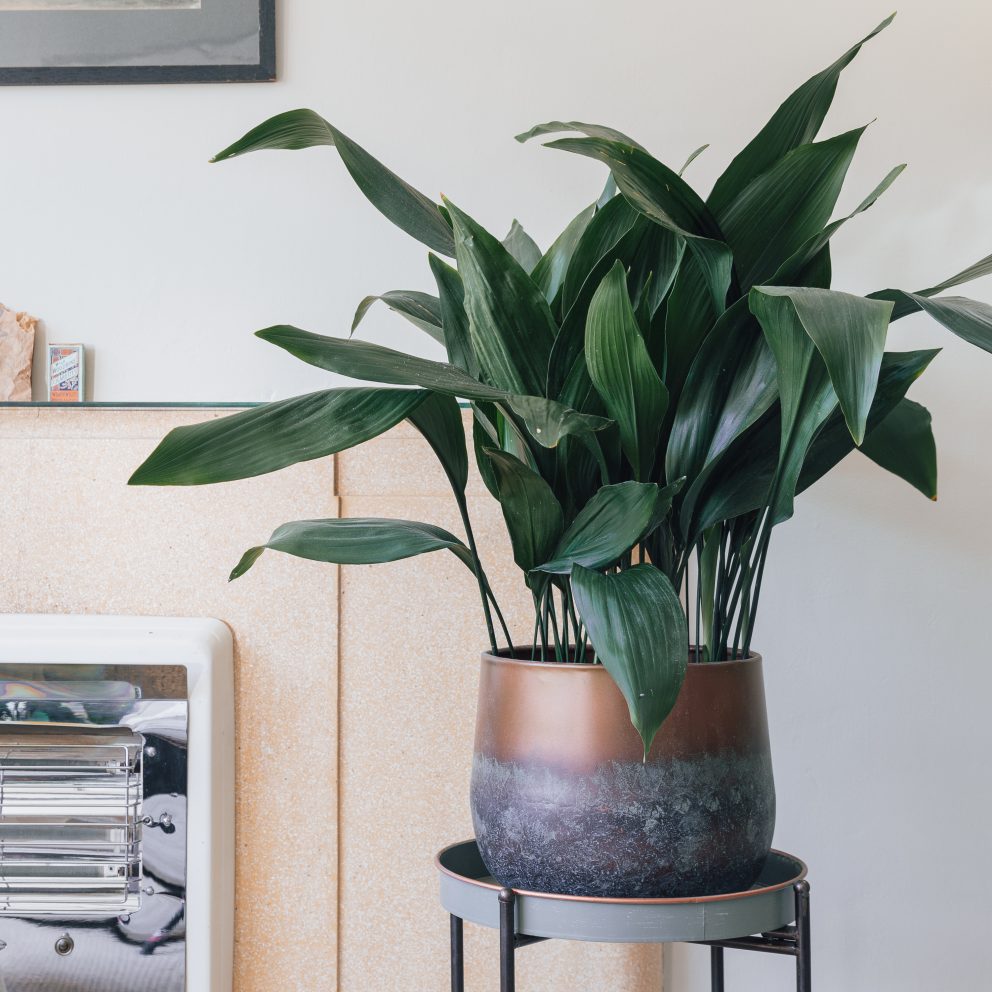
Top 5 Indoor Plants for Low Light Levels
It’s relatively easy to find houseplants that enjoy brightly lit indoor locations, either on a windowsill or nearby. But what about those darker corners of the room which don’t receive as much light? While no green plant can survive total darkness, you may be surprised to hear that there are plenty that can cope with lower light levels. Most of these plants originate from tropical and subtropical forests, where the dense canopy can greatly restrict the amount of light that filters down to the understorey, making them a perfect choice to lighten up those gloomy corners around the house.
Here are our top five picks for those tricky locations.
Read article