We expect a lot of our houseplants. They have to contend with irregular watering, huge temperature fluctuations, limited access to light, dry air from central heating etc. Winter can be especially challenging for them in the U.K. as our latitude doesn’t receive much sunlight for many months. This handy guide takes you step-by-step through their needs and what you can do to improve their performance.
1. Light it Up
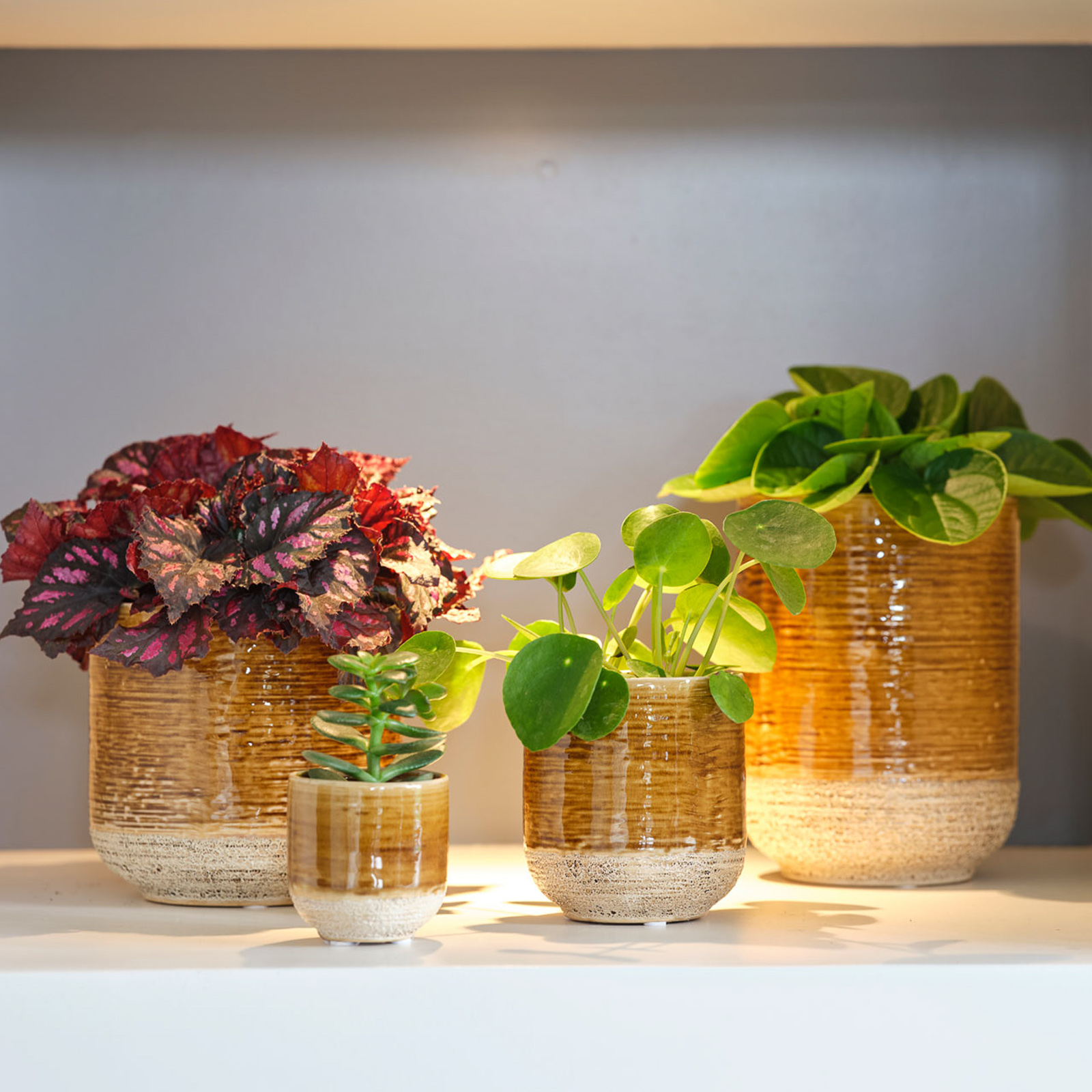
Winter days are short and often overcast, so place your plants close to bright windows to maximise any available sunlight. Rotate them every week for even light exposure. If natural light is minimal, invest in a full spectrum LED grow light to give plants the tools they need to stay happy.
2. Stay Cool, Not Cold
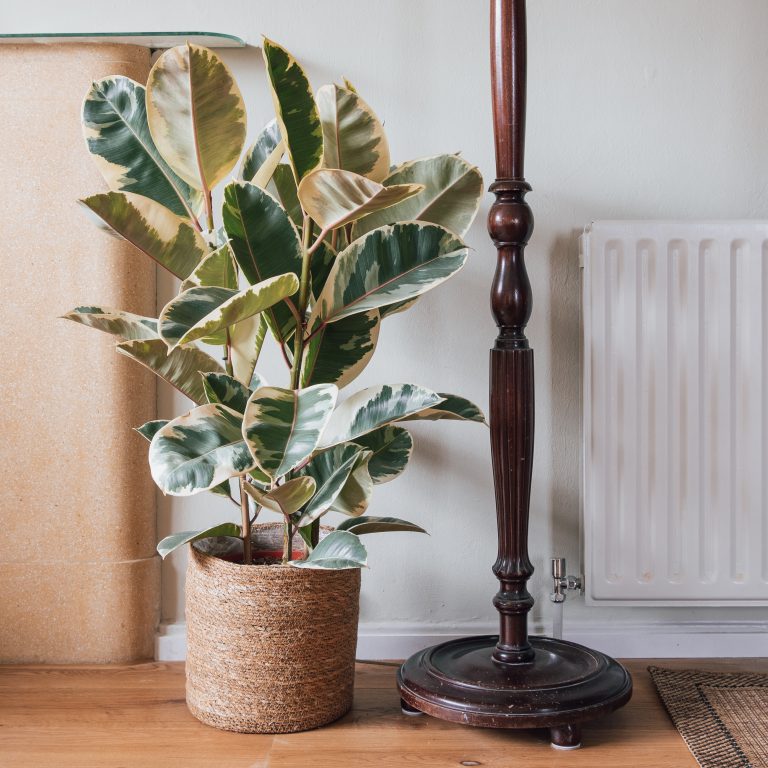
Indoor plants don’t like sudden temperature changes, so avoid placing them near draughty windows, doors, or close to radiators. A stable, moderate temperature is ideal. Close doors to unheated rooms, and keep your plants in spaces that remain consistently between 15-21°C, which suits most common houseplants.
Remember that when you close the curtains at night, plants on windowsills are trapped in a space very close to the window. On very cold nights this will result in something akin to an ice box, so bear this in mind when positioning your plants.
3. Moderate the Water
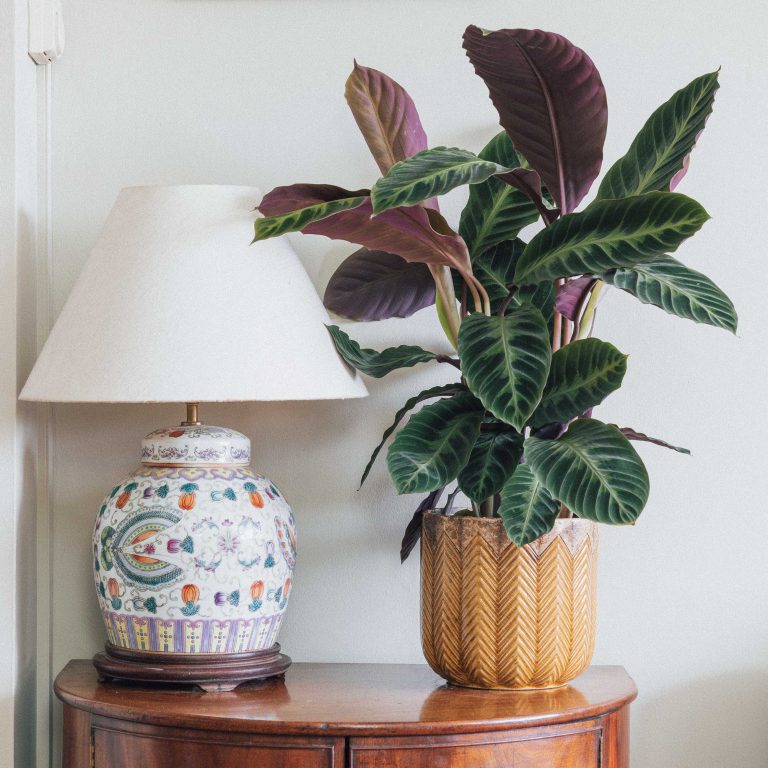
In general, plants use less water in winter due to lower light and cooler conditions. Let the top inch of soil dry out before watering, as overwatering can cause root rot. Check your plants regularly, but don’t stick to a strict schedule; adjust based on the plant’s needs and soil moisture.
At the same time, plants near radiators, or those in spaces with underfloor heating, can dry out much faster as they’re close to a heat source. Be sure to monitor them regularly.
4. Boost Humidity
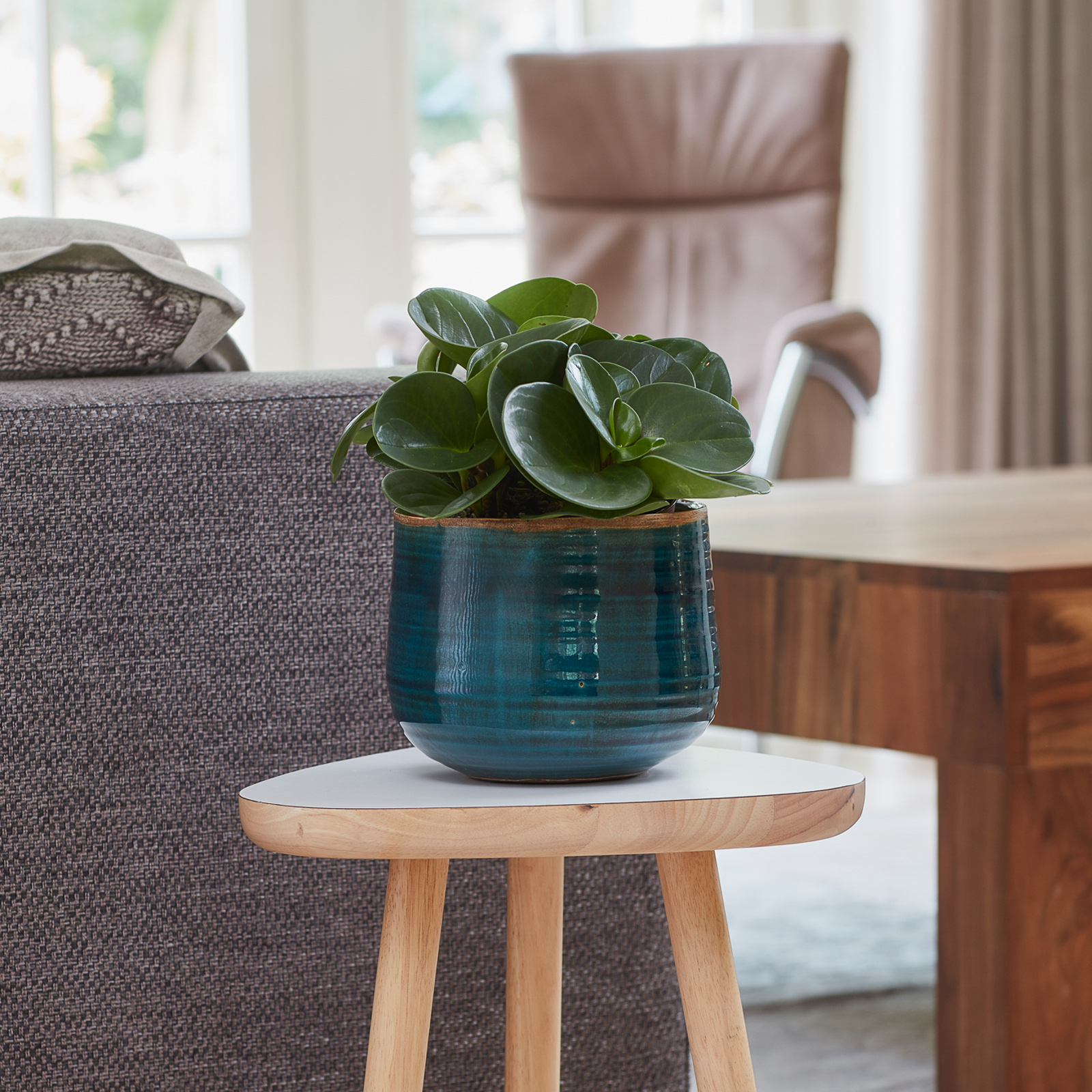
Central heating can dry out the air, leaving tropical plants stressed. Raise humidity by misting your plants, placing them on trays filled with pebbles and water, or grouping plants together. Avoid placing plants in front of heat sources, as this will quickly dry out leaves and soil.
5. Easy on the Fertiliser
Winter is a rest period for most plants, so it’s best not to fertilise them unless they are showing active signs of growth. Over-fertilising now can disrupt their natural cycle and cause growth that’s weak and leggy as light levels are low. It may be best to wait until spring to resume feeding, as this will better support strong, healthy growth during the growing season.
6. Rotate Regularly
Even with good window placement, winter sunlight is lower and weaker. Rotate your plants every week or two to ensure all sides receive some light exposure. This keeps them growing evenly, prevents leaning, and helps them use every bit of light they receive during darker months.

7. Dust Off Leaves
Dust can accumulate on leaves, blocking them from fully absorbing light. Gently wipe leaves with a damp cloth, being careful not to damage them. Regular cleaning allows your plants to make the most of available light and improves their appearance, giving them a fresh, healthy look. Products such as leaf cleansers can be particularly beneficial during winter, as they will help maximise a plant’s light absorption.

8. Repot Sparingly
Repotting is stressful for plants, and winter is the time for them to rest. Unless roots are severely pot bound, hold off repotting until spring. If it’s really necessary to repot in winter; do so indoors, or outdoors only on days when the air temperature outside is above 15°C. Try to gently transfer without disturbing the roots too much, and avoid using fresh fertiliser until the growing season begins.
9. Check for Pests
Indoor plants can still attract pests, especially in winter when central heating creates the warm, dry environment that many insects love. Inspect your plants’ leaves, stems, and soil every few weeks. Look for signs of pests like tiny webs, sticky residue, or small bugs, and treat them promptly. Red Spider Mite can be one of the hardest pests to spot as the insects are miniscule and often you will only be aware of their presence when you see discoloured foliage.
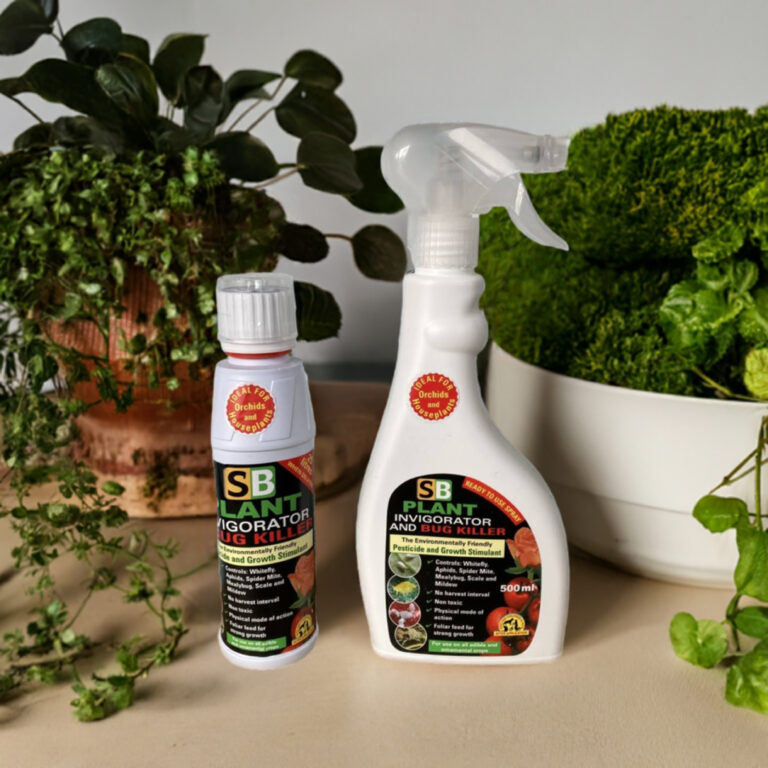
Regular use of a product such as SB Invigorator will give your plants an extra layer of protection from pests, but vigilance, early detection, and treatment are key.
10. Keep Things a Little Breezy
Stagnant air can lead to mould and encourage pests, so ensure good airflow around your plants. Occasionally open a window on mild days, or use a small fan to create gentle air movement. This helps to prevent mould on soil and leaves, keeping plants healthier through the winter months.
Related products



Related reading
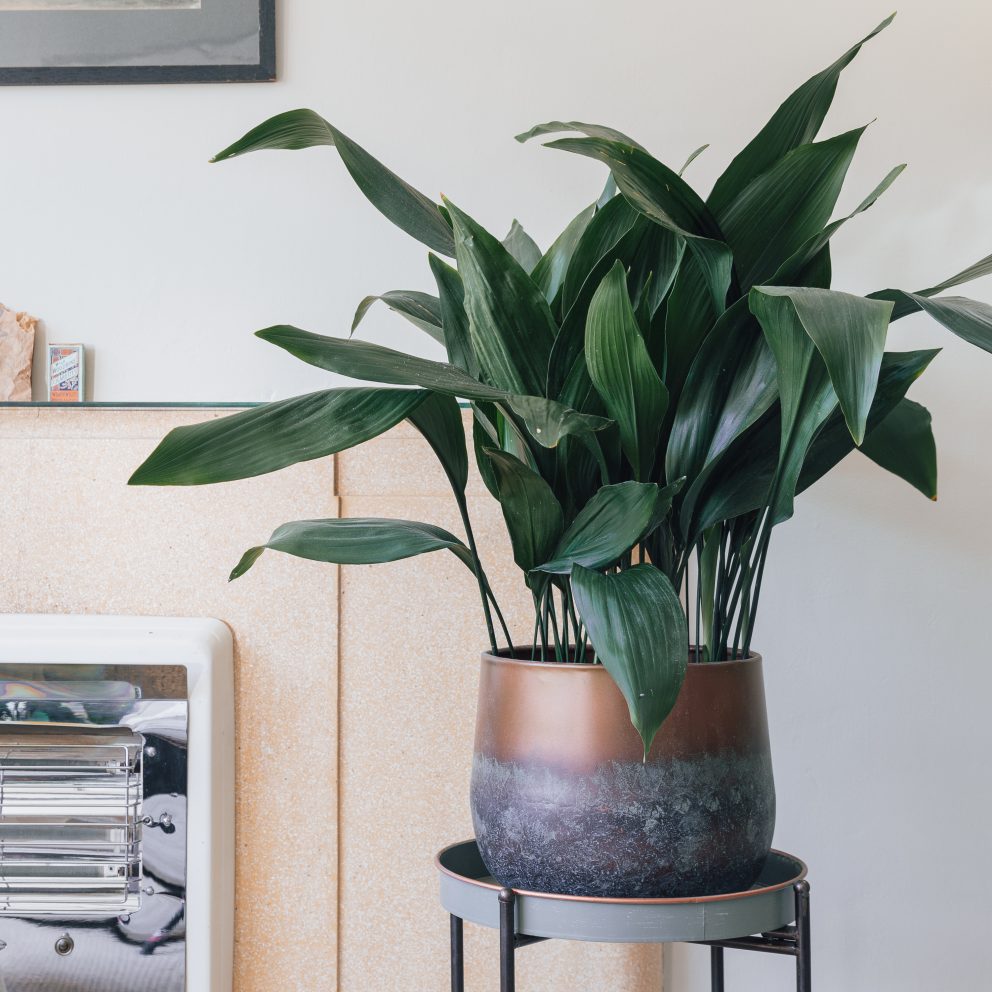
Top 5 Indoor Plants for Low Light Levels
It’s relatively easy to find houseplants that enjoy brightly lit indoor locations, either on a windowsill or nearby. But what about those darker corners of the room which don’t receive as much light? While no green plant can survive total darkness, you may be surprised to hear that there are plenty that can cope with lower light levels. Most of these plants originate from tropical and subtropical forests, where the dense canopy can greatly restrict the amount of light that filters down to the understorey, making them a perfect choice to lighten up those gloomy corners around the house.
Here are our top five picks for those tricky locations.
Read article
Top 10 Trending Indoor Plants
Stay on top of the latest indoor plant trends as we break down the most popular houseplants right now.
Read article
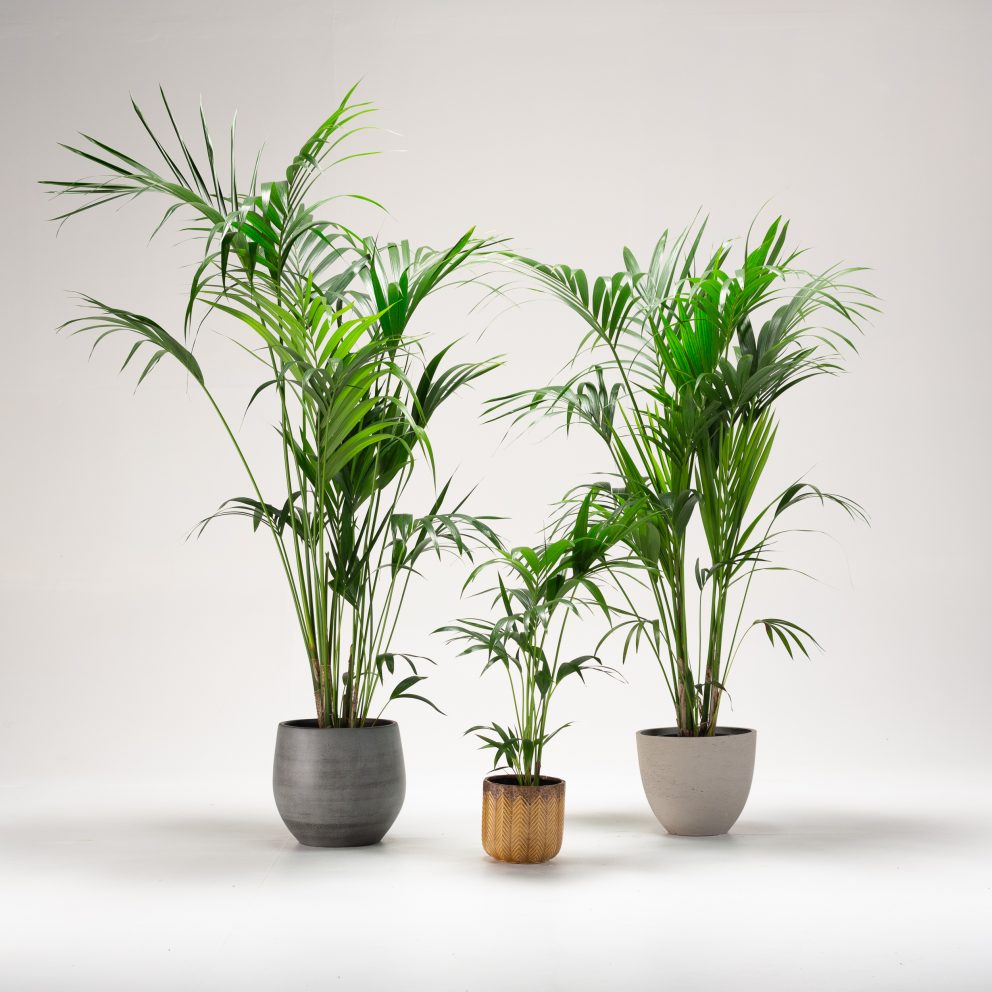
Choosing decorative pots for your indoor plants
Most of the plants sold online will be delivered to you in plastic nursery pots. These are not always the best looking and most likely won’t fit any home style you may have. Here are some tips on how to choose the decorative pot that is the appropriate size for your newly purchased plant.
Read article