Spring is the ideal time to assess and rejuvenate the health of trees and shrubs in your garden. Whether you need to prune, shape, fertilise, mulch, stake, or treat pests and diseases, the warmer temperatures and longer daylight hours are the perfect motivation to get out there and rejuvenate your plants.
Here’s a comprehensive guide to ensure your plants thrive throughout the growing season.

1. General Tidying and Inspection
Begin by clearing away winter debris such as fallen leaves and broken branches. This not only enhances the garden’s appearance but also prevents potential pest infestations and diseases. During this process, inspect trees and shrubs for signs of damage or disease, including cankers, unusual growths, or discoloured foliage. Early detection allows for timely intervention, promoting plant health.

2. Pruning Practices
Pruning is essential for maintaining plant structure and encouraging vigorous growth. For summer or late-summer flowering deciduous shrubs, such as Buddleja davidii and Hydrangea paniculata, late winter to early spring is an appropriate time for pruning. However, spring-flowering shrubs like Forsythia and Spirea should be pruned immediately after flowering to avoid cutting off next season’s buds. Always use sharp, clean tools to make precise cuts, reducing the risk of disease.
Be sure to consult the RHS website to find out when you should be pruning particular plants. If you prune in the wrong month, you could be sacrificing that year’s flowers.

3. Feeding and Soil Enrichment
As plants emerge from dormancy, they benefit from nutrient-rich soil. Apply a balanced, slow-release fertiliser, such as Trees & Shrubs Growth Fuel, around the base of trees and shrubs to support new growth. Incorporating organic matter like compost or well-rotted manure into the soil enhances fertility and structure, ensuring roots have access to essential nutrients.

4. Mulching
Applying a layer of mulch around trees and shrubs offers multiple benefits: it conserves soil moisture, suppresses weeds, and regulates soil temperature. Use organic materials like bark chips or leaf mould, ensuring the mulch is spread evenly and kept away from direct contact with trunks or stems to prevent rot.

5. Staking and Support
Young or newly planted trees and shrubs may require staking to establish a stable root system. Use flexible ties to secure plants to stakes, allowing some movement to encourage strength. Regularly check and adjust ties to prevent girdling and remove supports once the plant is self-sufficient.

6. Watering Regimen
Consistent watering is crucial, especially during dry spells. Water deeply to encourage roots to grow downward, promoting drought resistance. Deep watering, once or twice a week is better than a little everyday, as it encourages a deeper root system that is more resilient.
Early morning or late evening watering minimises evaporation and ensures efficient moisture uptake.
7. Pest and Disease Management
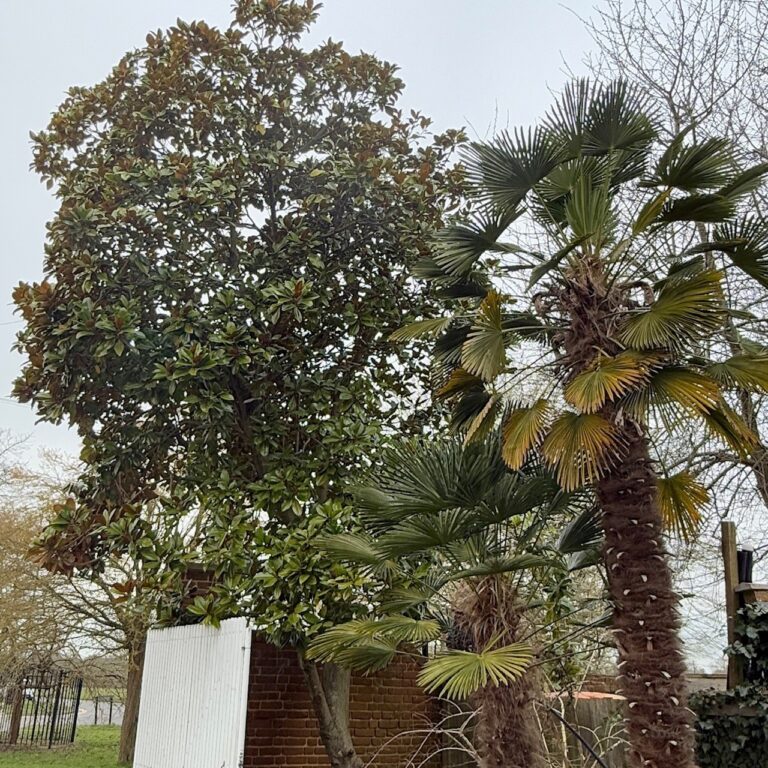
Regular monitoring helps identify early signs of pests or diseases. Look for symptoms like holes in leaves, sticky residue, or unusual spotting. Employ integrated pest management strategies, combining cultural, biological, and chemical controls as necessary, to maintain plant health while minimising environmental impact.
By diligently performing these spring maintenance tasks, you set the foundation for a vibrant and healthy garden, allowing your trees and shrubs to flourish throughout the year.
Related products







Related reading
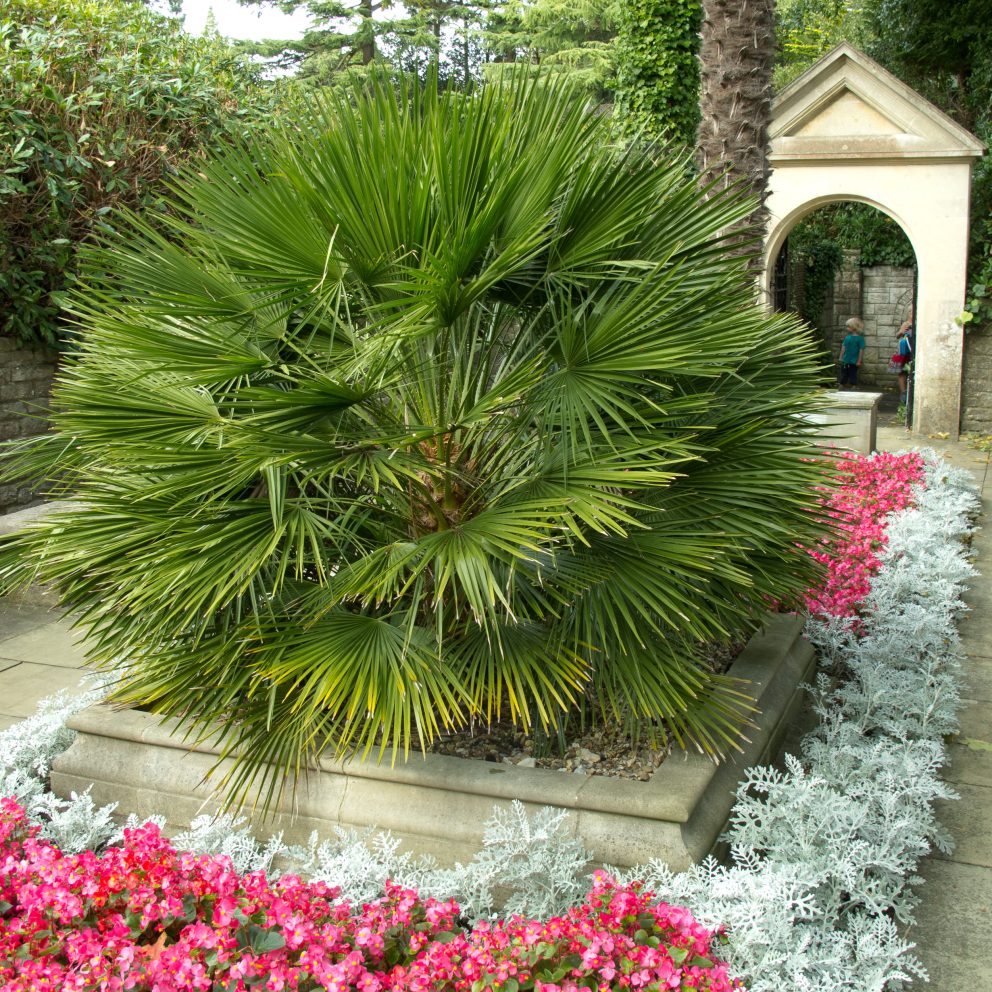
Top Five Hardy Palms for the UK
If you’ve just discovered the wonderful world of hardy exotic gardening then you might be wondering what palm trees you can grow in the UK climate. Here’s our list of the top five that we recommend.
Read article
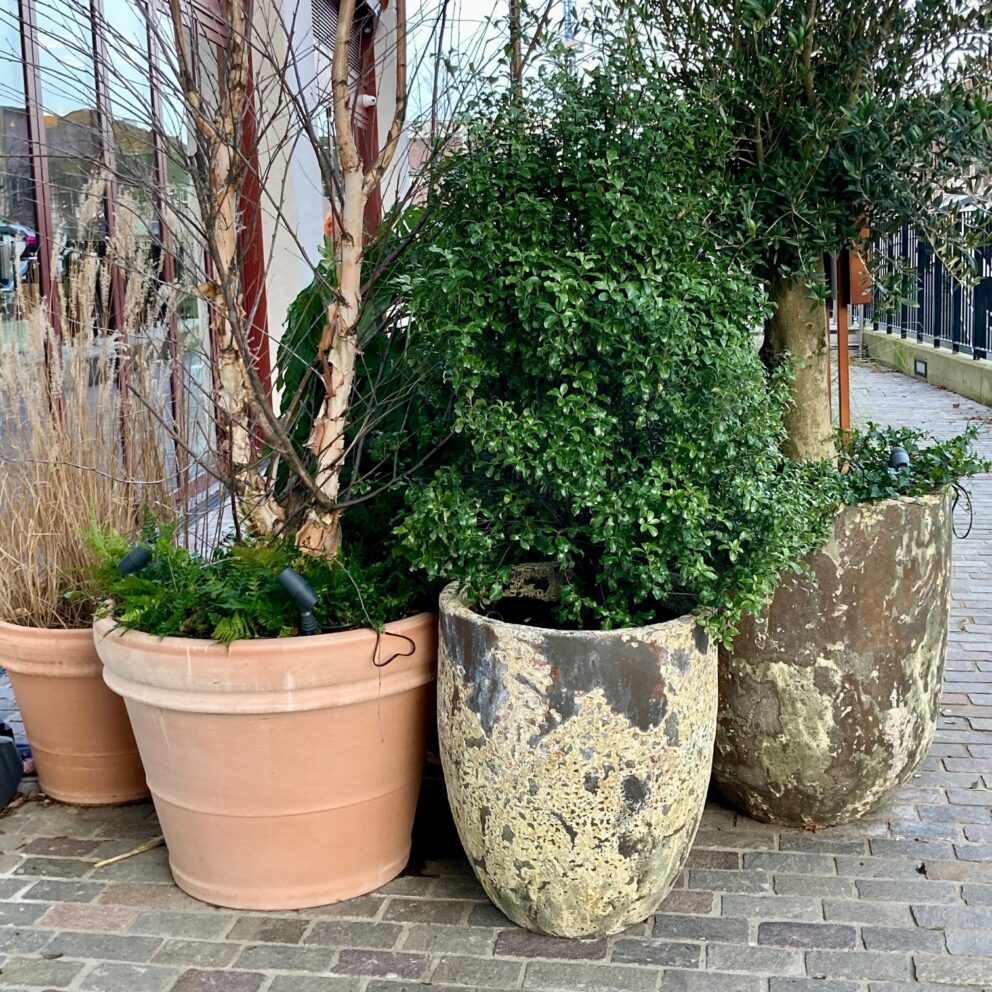
How to frost-proof your outdoor pots
All of the outdoor pots we sell here at The Palm Centre are frost-proof. Even so, there are many things you can do to protect your pots from frost and keep them looking their best year-round. Read our handy tips below…
Read article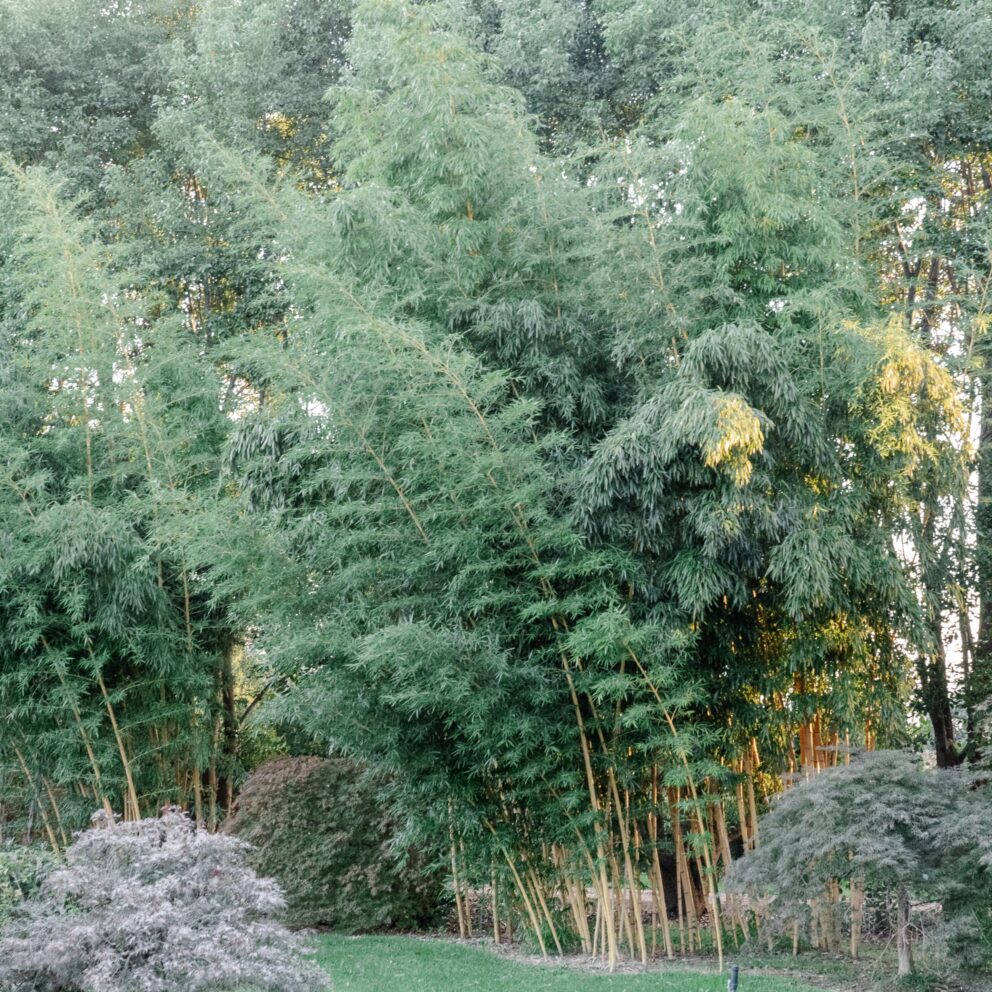
How to use Bamboo as a screening plant
We frequently get asked about using bamboo as a screening plant, often when neighbours have built an extension and some additional privacy is required.
Here we explain your options for using bamboo, the best species to choose, the do’s and do not’s, as well as practical tips for planting and ongoing care.
Read article