
How do we measure our products?
Howea forsteriana
Kentia Palm
From: £74.95
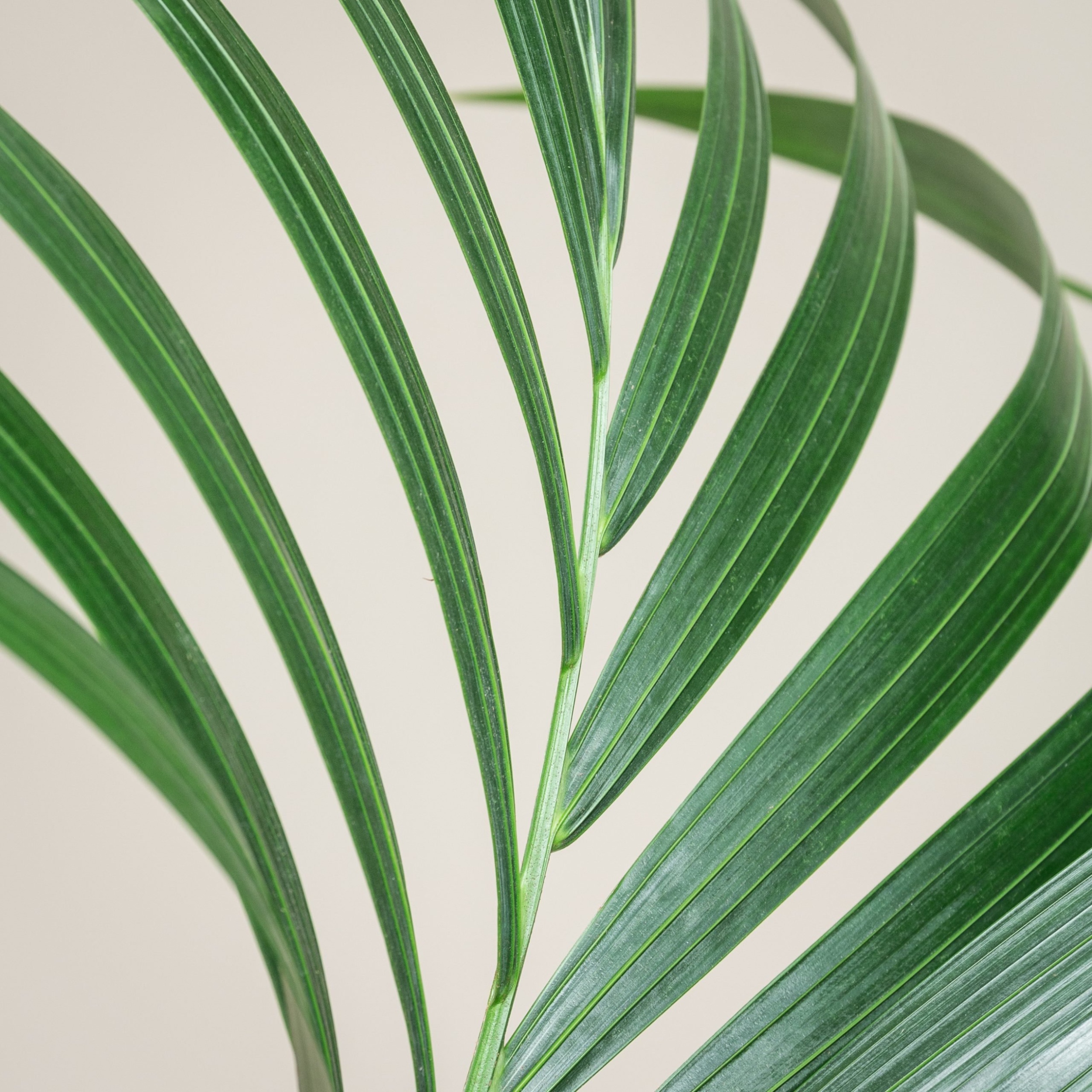
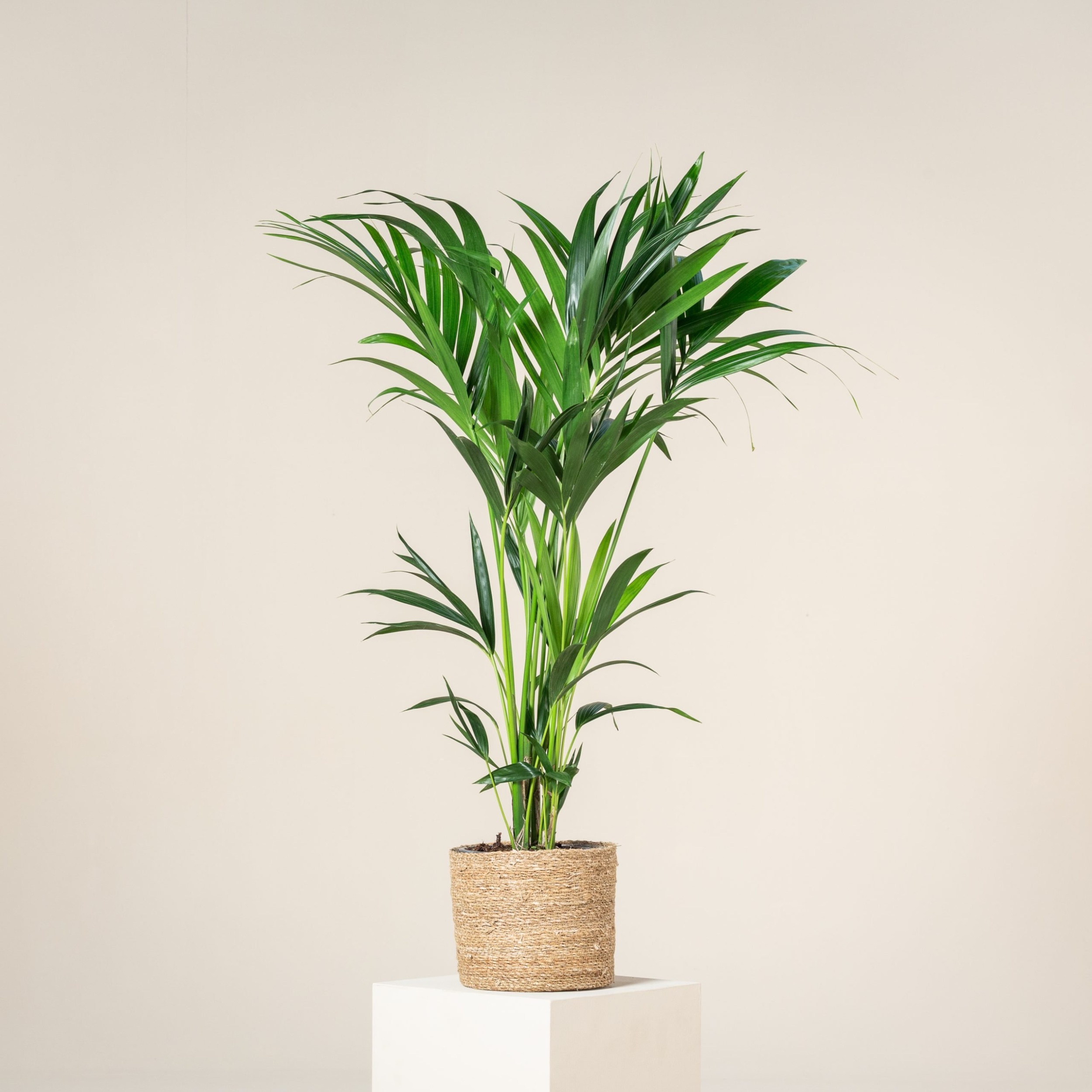
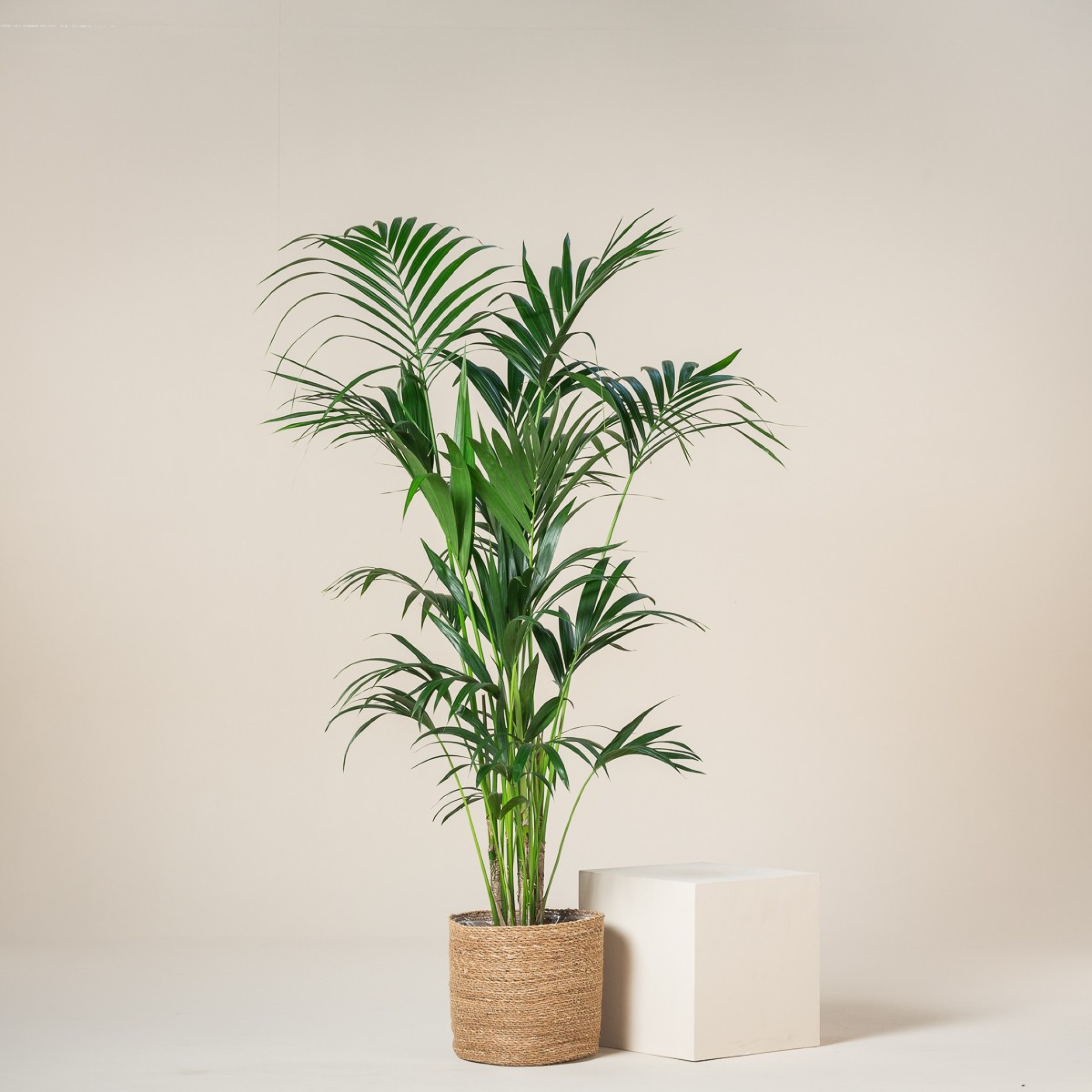
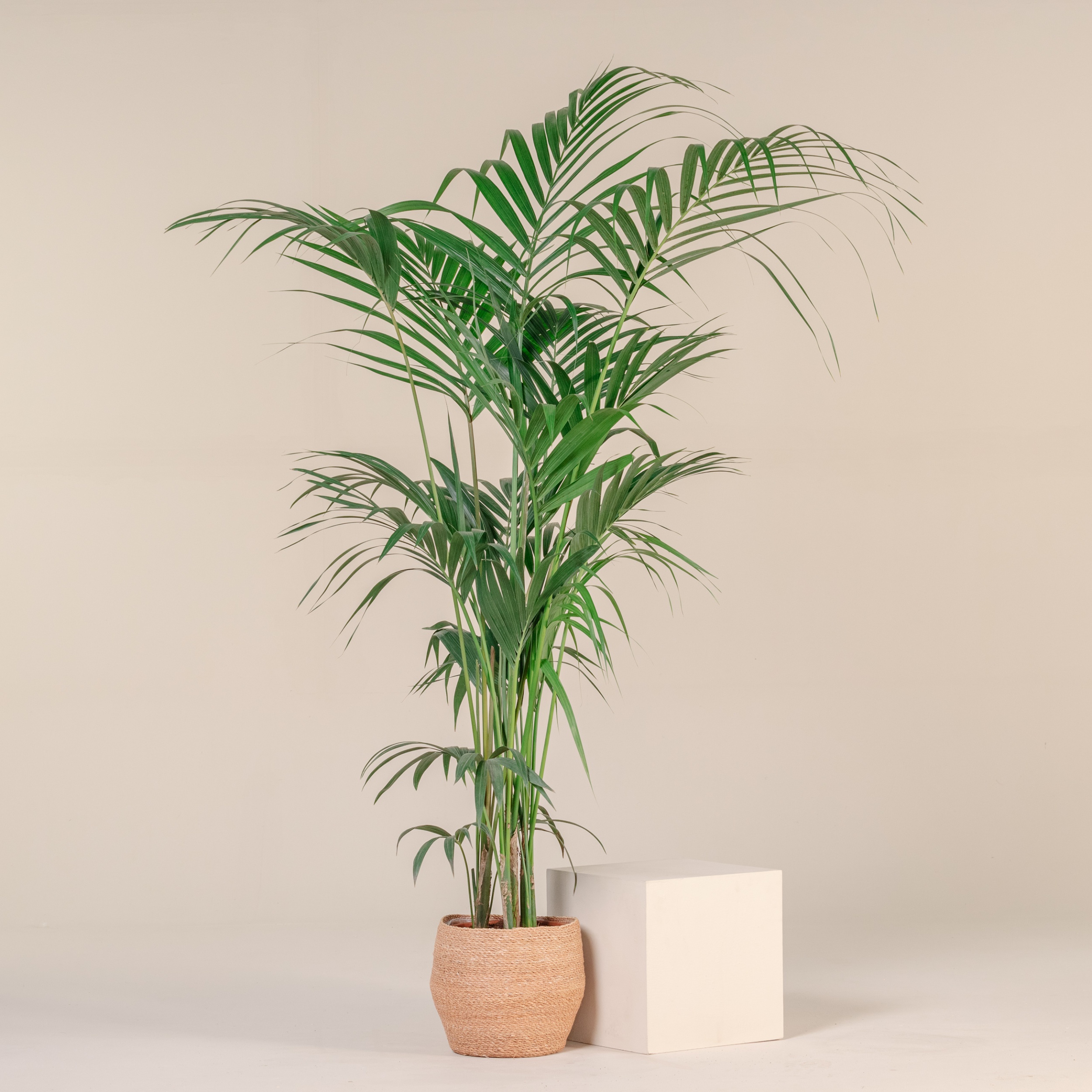
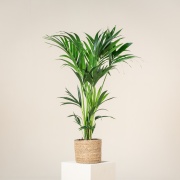
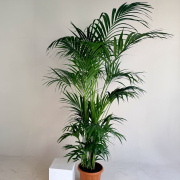
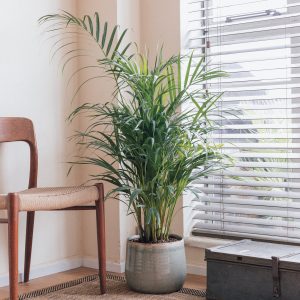
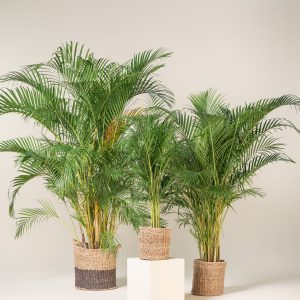
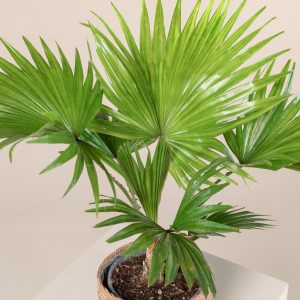
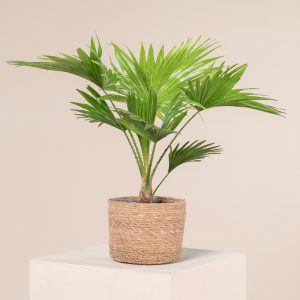
Howea forsteriana, known commonly as the Kentia palm, thatch palm or the palm court palm, they have graced hallways, hotel lobbies and ‘Palm Court’ tea rooms with their gorgeous drooping fronds since Victorian times.
The Kentia palm provides lush upright growth with minimal care requirements, making it one of our most frequently recommended indoor palms.
Plant Biography
Howea forsteriana, is endemic to Lord Howe Island in Australia, they were identified by Italian naturalist Odoardo Beccari and became popular in the 1870s when seed exports started. Queen Victoria even had them cultivated in all of her homes and, after her death, placed around her coffin while she lay in state.
They have remained one of the most popular palms to keep indoors in the UK, providing a lush tropical appearance whilst being incredibly tough and easy to look after.
Kentia palms are a perfect first choice for anyone looking to start an indoor palm collection.






Care & Size Guidance
When grown indoors, the Kentia Palm typically reaches a height of 1.5 to 3 metres (5 to 10 feet), though in optimal conditions, it may grow as tall as 3.5 metres (11 feet). It spreads between 1 and 2 metres (3 to 6 feet), depending on the pot size.
Growth is slow to moderate, with an annual increase of 15 to 30 cm (6 to 12 inches). Given the right care, it can live for several decades.
Kentia palm prefers bright, indirect light but is well adapted to low-light environments. However, exposure to direct sunlight should be avoided, as it can scorch the fronds. To ensure even growth, the plant should be rotated occasionally if placed in a dimly lit corner.

Watering & feeding
Howea forsteriana requires moderate watering, allowing the top 2 to 3 cm (1 inch) of soil to dry out before re-watering. Overwatering must be avoided, as Kentia Palms dislike sitting in excess moisture. During winter, watering should be reduced, as the plant’s growth naturally slows.
Feeding should be done every 4 to 6 weeks during the growing season, using a balanced liquid fertiliser. In autumn and winter, fertilisation is unnecessary as the plant enters a period of slower growth. Excessive feeding should be avoided, as the Kentia Palm is not a heavy feeder.

Environment
The ideal temperature range for a Kentia Palm is 16 to 24°C (60 to 75°F).
It can tolerate temperatures as low as 10°C (50°F) for short periods, but prolonged exposure to cold should be avoided.
The Howea forsteriana thrives in moderate to high humidity levels. If the air indoors is too dry—particularly in winter when central heating is in use—mist the leaves occasionally or place the pot on a humidity tray.
The leaves can also collect dust over time, so wiping them occasionally will promote better photosynthesis. A good practice is to get them once every other month for a quick shower to thoroughly clean all sides of the leaves and stems from dust accumulating.

Repotting
Repotting a Kentia Palm should be done every 3 to 4 years, or when the roots begin to outgrow their current container, which is indicated by slow growth, roots emerging from the drainage holes, or difficulty in retaining moisture.
When repotting, choose a slightly larger pot with good drainage, use a well-draining potting mix (such as a blend of loam, sand, and peat), and carefully transfer the plant, ensuring the root ball remains intact to minimise stress.

Brown tips on Kentias
Although largely trouble-free, a Kentia Palm may develop brown leaf tips if exposed to dry air or underwatering. If this occurs, increasing humidity levels and adjusting the watering routine can help. Yellowing leaves may indicate overwatering or a nutrient deficiency, requiring a change in watering habits or occasional feeding.
The Kentia palm is relatively pest-resistant, but may sometimes attract spider mites, mealybugs, or scale insects. If pests appear, they can be treated with an insecticidal soap.
Plant arrived very safely and in lovely condition. Would definitely buy off this site again.
Barbara –
Plant arrived safe and very healthy. Carefully wrapped. Looks lovely. Took about 10 days to arrive.
Georgina Romano –
Plant arrived safely, expertly wrapped. Looks very elegant in my conservatory.
Ann Wilkinson –
Good palm tree just right size for our living room. Excellent service and outstanding delivery.
Naoko Fader –