How do we measure our products?
Nypa fruticans
mangrove palm, nipa, dừa nước
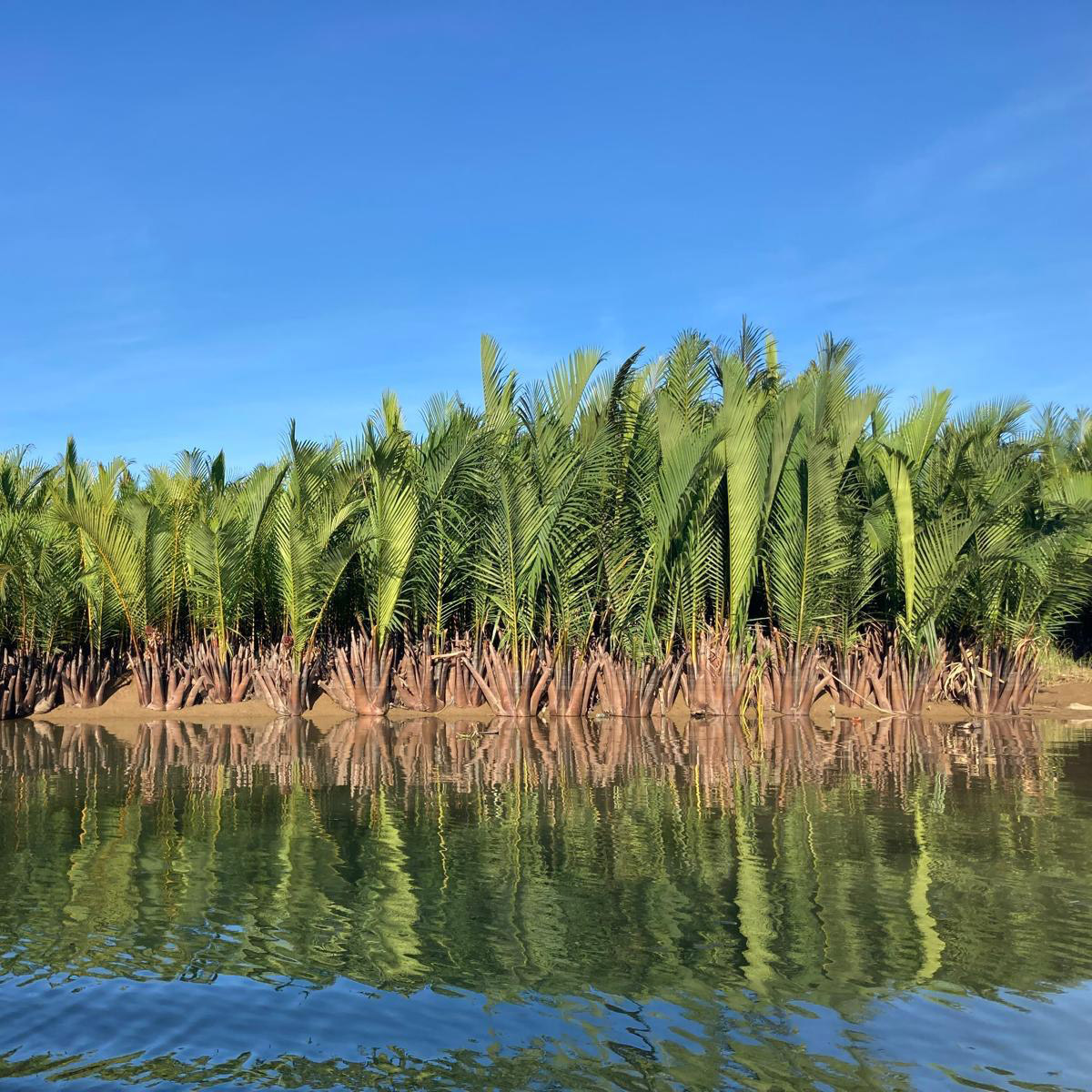
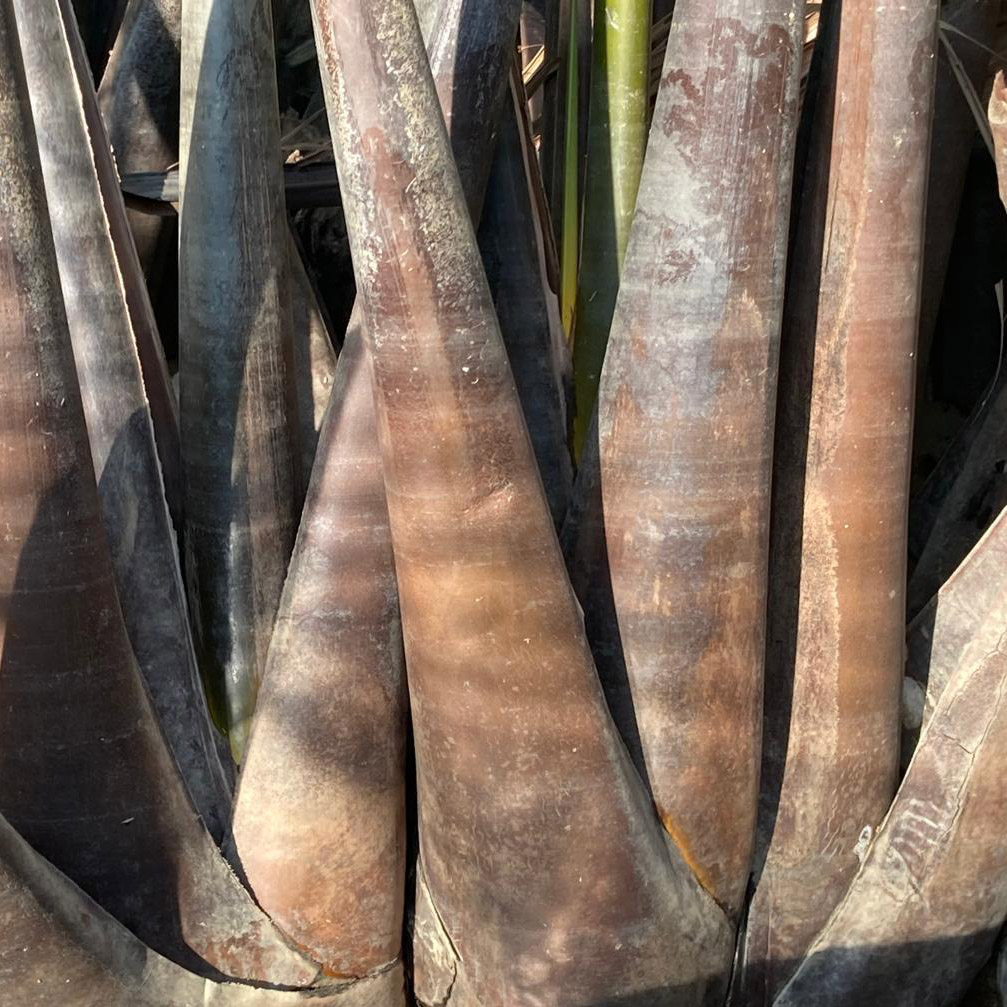
Nypa fruticans, or the Mangrove Palm, is a unique coastal palm known for its lush, arching fronds and resilience in tropical wetlands. Rarely found in Europe, this palm thrives in waterlogged conditions.
A rare opportunity to get this highly tropical palm tree for your collection.
Very few plants available. More stock estimated to become available in March 2025.
Nypa fruticans is out of stock
Want to be notified when this product is back in stock?
Plant Biography
The Mangrove palm is a fascinating species native to the mangroves of Southeast Asia and the coastal regions of the Indian and Pacific Oceans.
It belongs to the Arecaceae family, though unlike typical palms, it thrives in brackish water and tidal zones. It’s the only remaining member of the Nypa genus. Fossilised nuts of other species of Nypa have been found Dorset, London clay areas and Kent. The Nypa family consisted of many more species and once had a once had a nearly global distribution in the Eocene (56–33.4 million years ago).
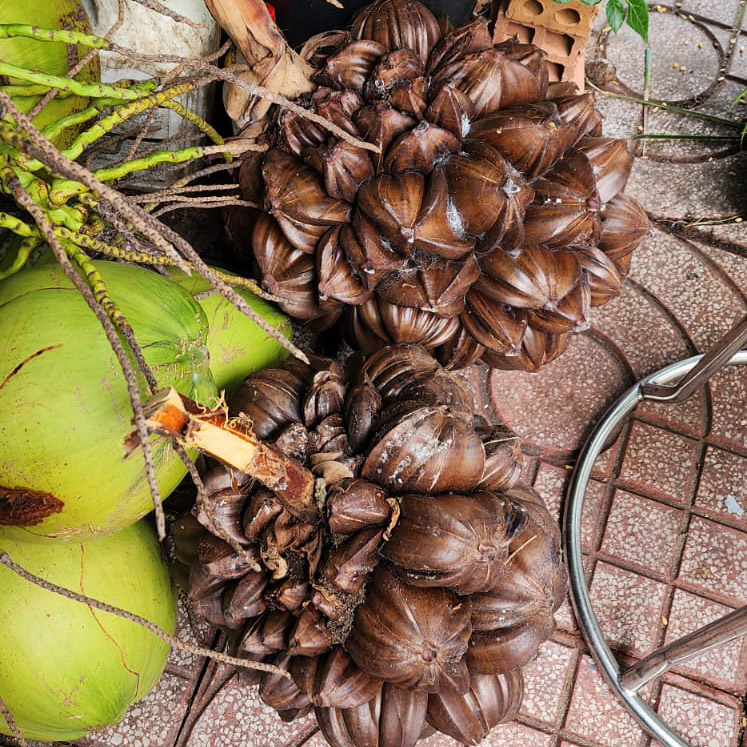
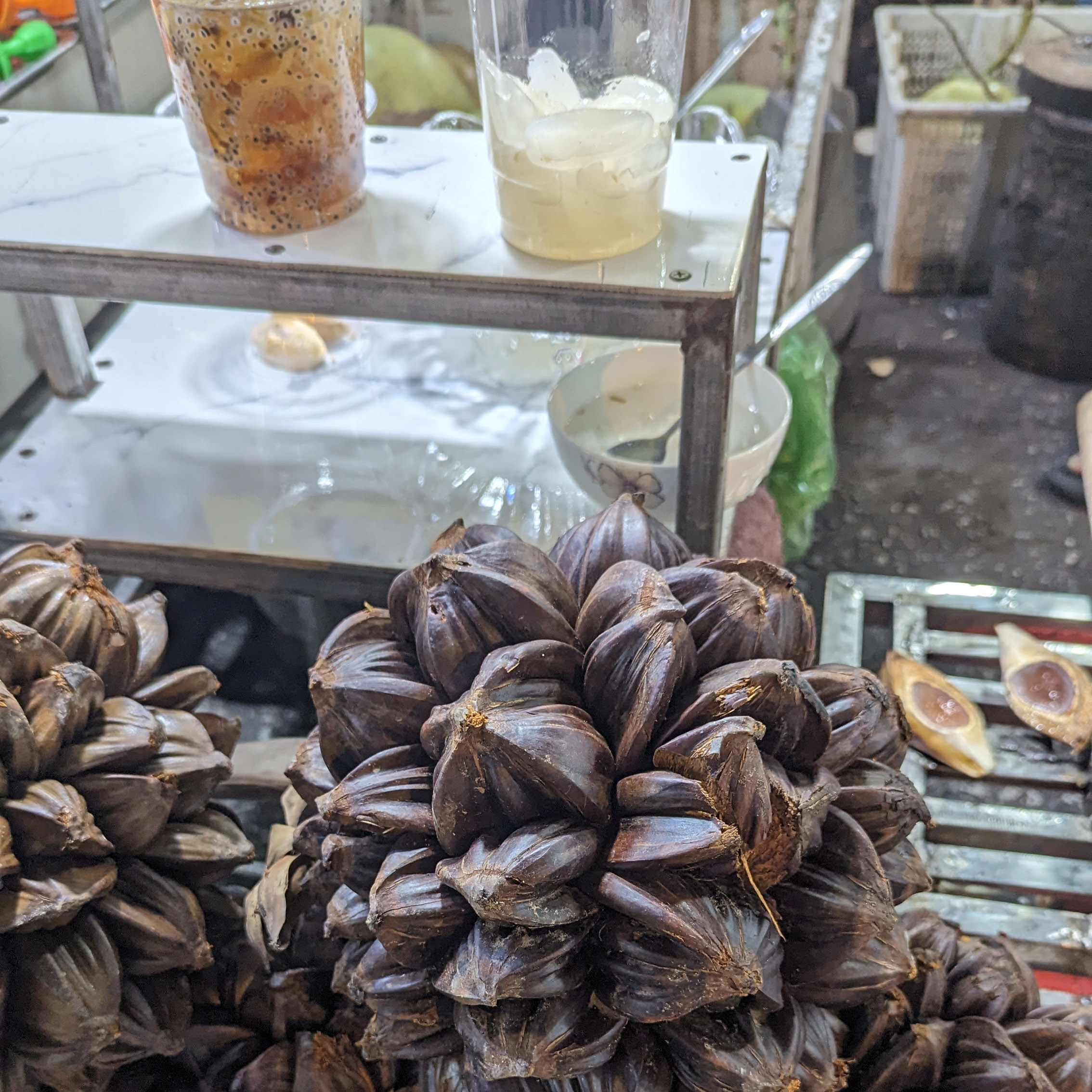
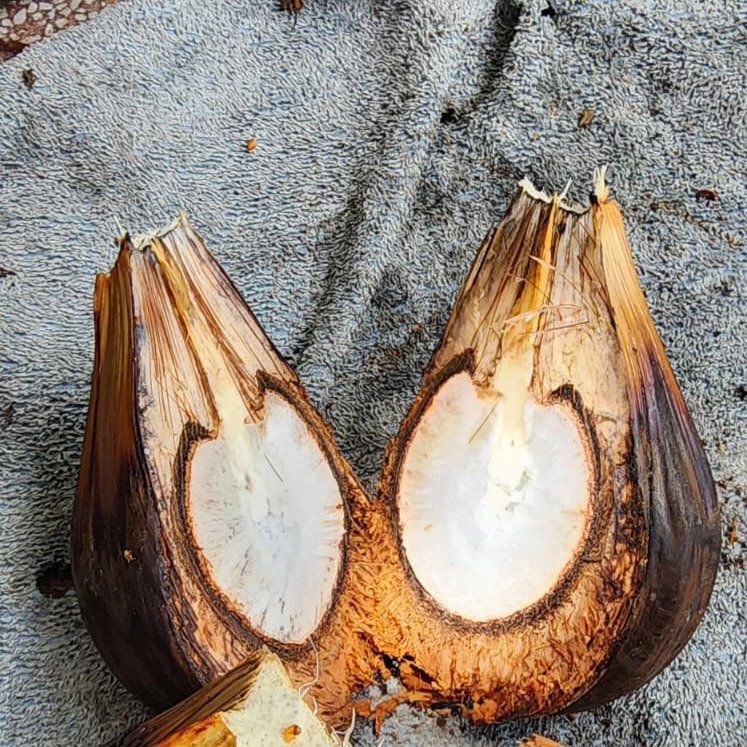
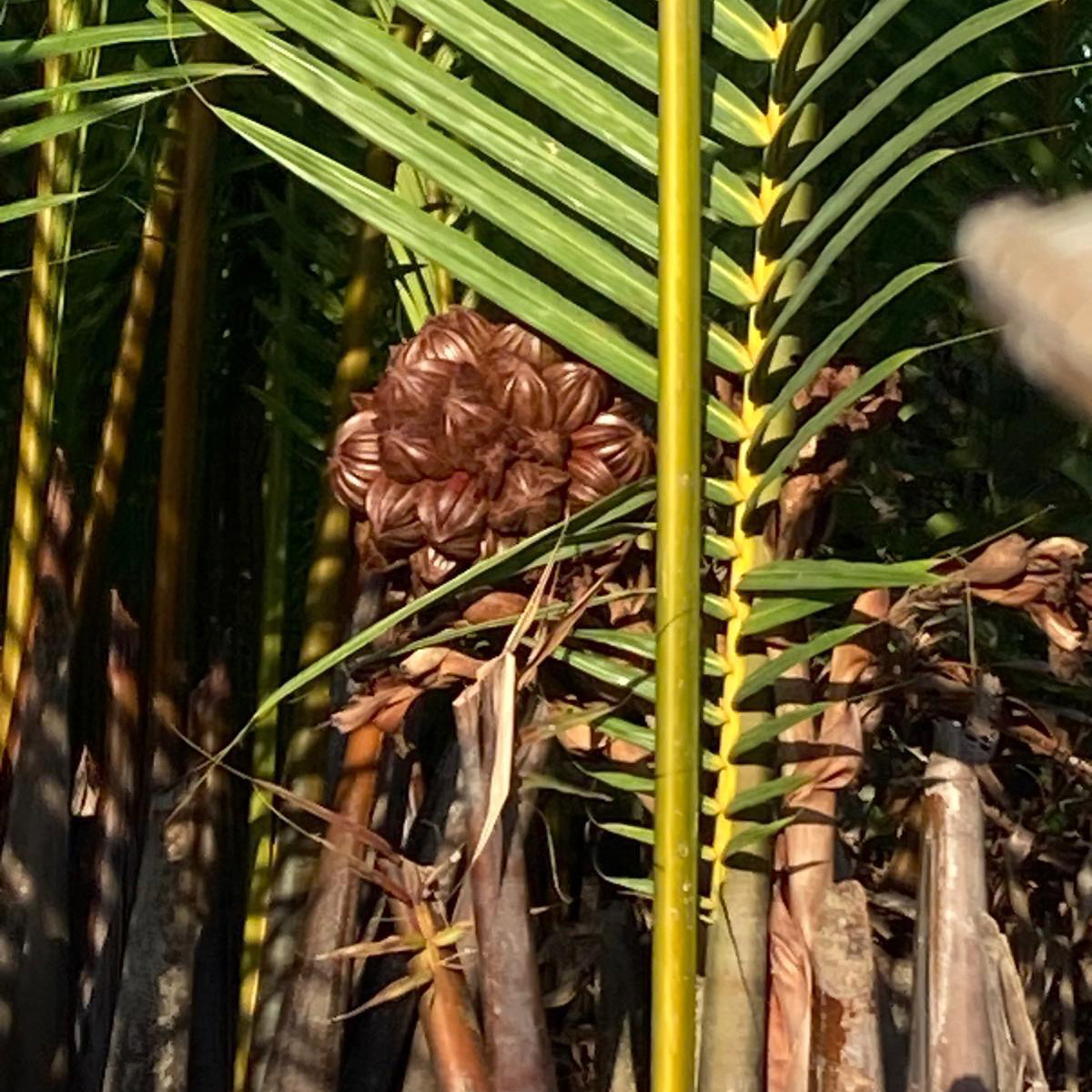
Traditionally, its leaves are used for thatching roofs, while its sap is tapped for producing sugar and alcoholic beverages. The plant’s seeds, known as “attap chee,” are a popular ingredient in local desserts in Vietnam, Cambodia and Malaysia.
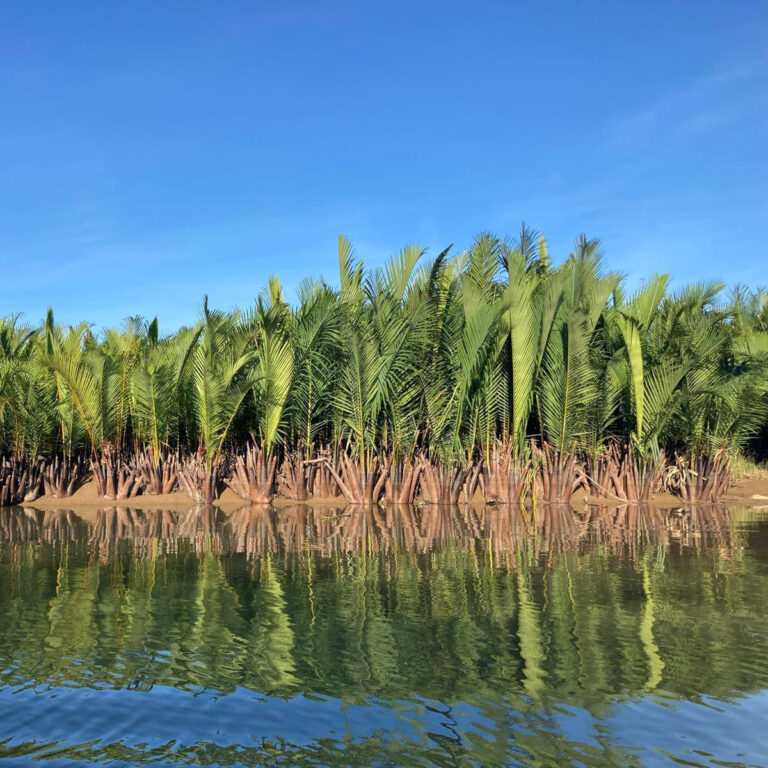
Nipa palms grow in soft mud and slow-moving tidal and river waters that bring in nutrients. They can be found as far inland as the tide can deposit the floating nuts. Its unique ecology makes it a key player in protecting coastlines from erosion.
Mangrove palms
Mangroves are coastal forests found in warm regions where rivers meet the sea. The trees in these areas can live in salty water and have special roots that help them stay stable in soft soil and get oxygen.
Mangroves protect coastlines from storms and erosion, provide homes for fish and other animals, and help clean the water. They also store carbon, which helps fight climate change. However, mangroves are at risk due to human activities like development and pollution.
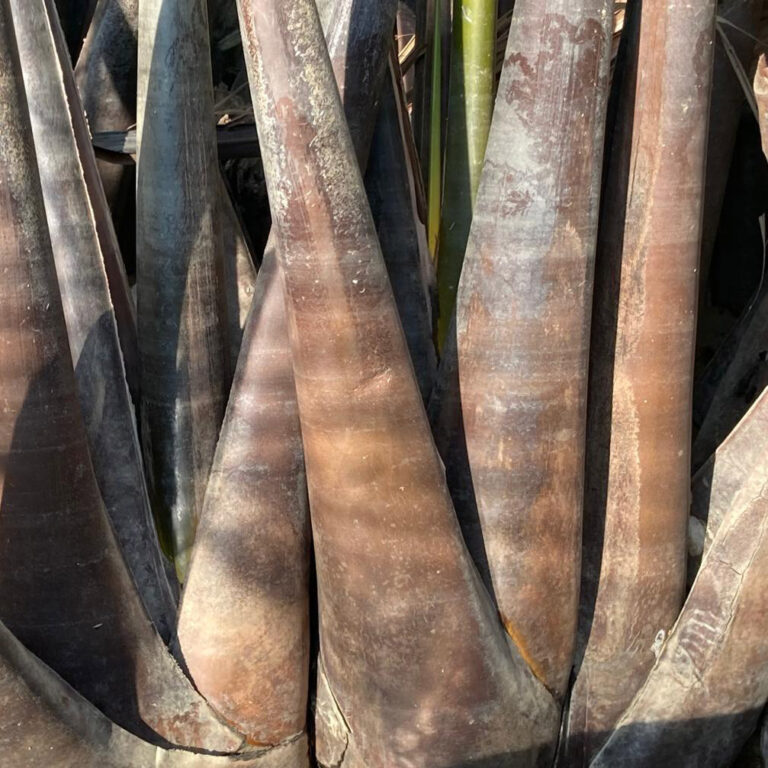
Mangrove palms are unique among mangroves for having large, feathery leaves and a sprawling, horizontal root system that thrives in brackish water.
Unlike many mangrove trees, mangrove palms do not have aerial roots but instead spread through creeping stems, forming dense thickets along tidal rivers and estuaries.
Care guidance
As a houseplant, Nypa fruticans requires a warm, humid environment and plenty of bright, indirect light. It thrives in consistently wet soil, so regular watering is essential. It can live in a heated paludarium with low temperatures fluctuations.
Maintaining high humidity levels is crucial, so misting the leaves or using a humidifier can help.
Keep it away from cold drafts, as it is sensitive to cooler temperatures.
Use brackish water to water the plant, if kept in a pot. Salts to create a perfect environment for it can be found in the fish section of pet shops.
Germination
Before the Nypa fruticans seed detaches from the parent plant, it develops while still attached to the flower stalk. During this time, the seed matures and reaches full size, preparing for dispersal.
The unique feature of Nypa seeds is their ability to germinate while still attached to the parent plant, a process called vivipary.
This means that the seed may begin to sprout and develop roots while it is still connected, ensuring a higher chance of survival once it falls into the water and is carried to a suitable location for further growth. Once they settle in mud or shallow water, the seedling sends out roots and a small shoot. Germination can be slow, often taking several months before noticeable growth begins.
Reviews
There are no reviews yet.