In an age of climate change, habitat loss, and biodiversity decline, our gardens can offer a vital refuge for British wildlife. Whether you have a sprawling countryside plot or a small urban backyard, creating a garden that supports biodiversity is one of the most rewarding and impactful things you can do.
This guide focuses on how plants — thoughtfully chosen and well-cared for — can turn your garden into a haven for birds, pollinators, and other native creatures, all while remaining low-maintenance and visually beautiful.
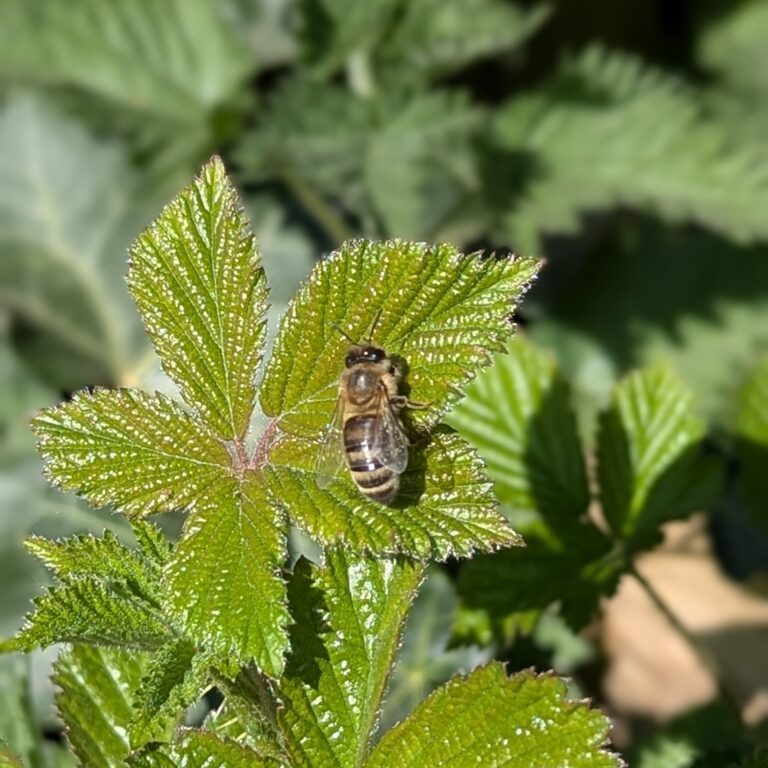
Why Wildlife-Friendly Gardening Matters
The UK has seen significant declines in native species over recent decades, from bees and butterflies to hedgehogs and sparrows. Gardens, which collectively form one of the UK’s largest green spaces, can help reverse this trend.
By choosing the right plants and creating diverse microhabitats, gardeners play a crucial role in supporting local ecosystems — all without giving up the aesthetic appeal of a beautiful garden.
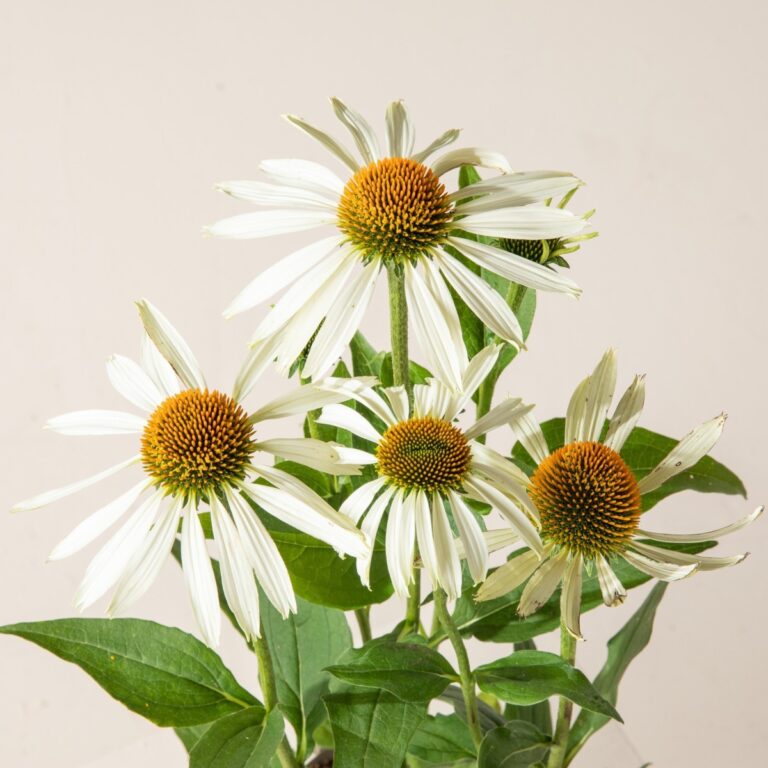
Planting with Purpose: Support for Pollinators
Pollinators like bees, butterflies, and hoverflies are essential to the UK’s natural environment and food systems. The best way to support them is by planting nectar-rich flowers that bloom across the seasons.
Top Pollinator-Friendly Plants for UK Gardens:
Spring: Pulmonaria, Crocus, Hellebores
Summer: Lavandula angustifolia (English lavender), Achillea, Salvia nemorosa
Autumn: Sedum spectabile, Echinacea purpurea, Verbena bonariensis
Tip: Choose single-flowered varieties — they offer more accessible nectar and pollen than heavily bred double blooms.
Going Native: Plants that Belong
Native plants have co-evolved with British wildlife, offering the best support to local species. They’re also naturally adapted to the climate and soil conditions, making them lower maintenance and more resilient to pests.
Examples of UK Native Plants for Wildlife:
Hawthorn (Crataegus monogyna): Provides blossom for bees and berries for birds.
Dog Rose (Rosa canina): Attracts pollinators and later feeds birds with its rose hips.
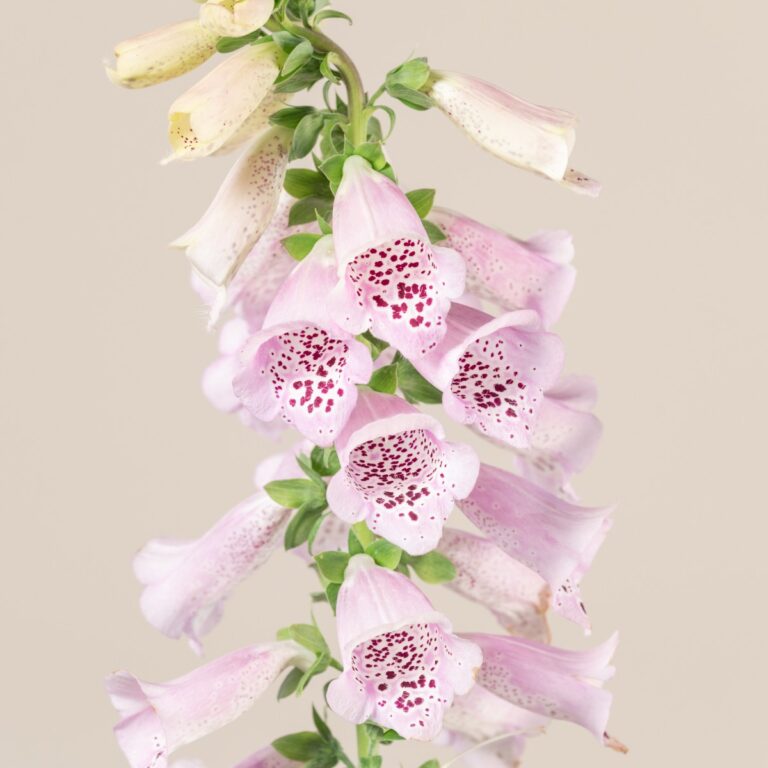
Foxglove (Digitalis purpurea): Loved by bees and moths; thrives in partial shade.
Field Scabious (Knautia arvensis): A favourite of butterflies and long-tongued bees.
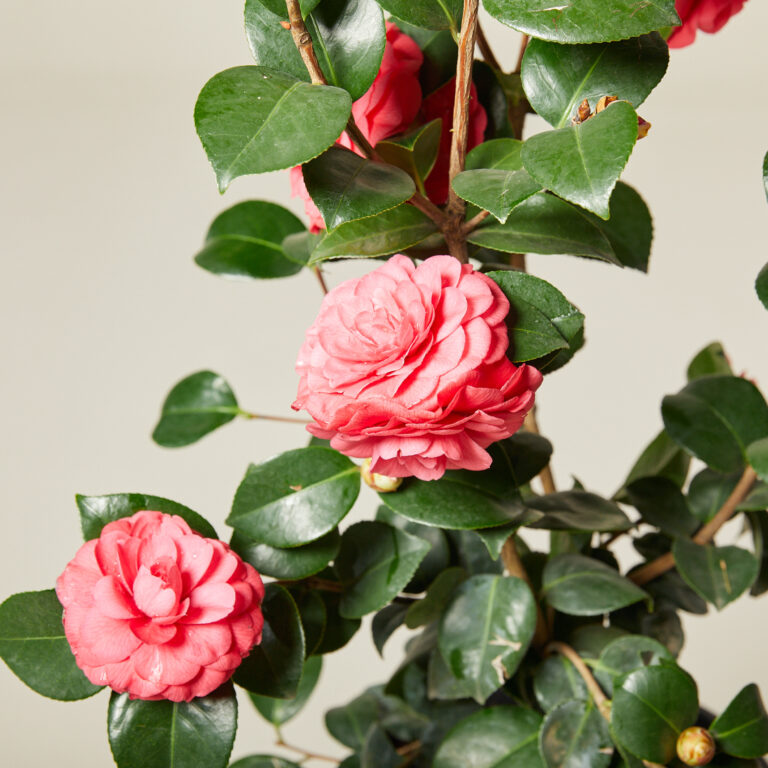
Trees and Shrubs: The Backbone of a Living Garden
Woody plants offer food, shelter, and nesting sites for a variety of creatures. Including at least one native tree or shrub in your garden dramatically increases its value for wildlife.
Layered planting — combining trees, shrubs, and understorey plants — mimics natural habitats and offers cover for a wide range of species.
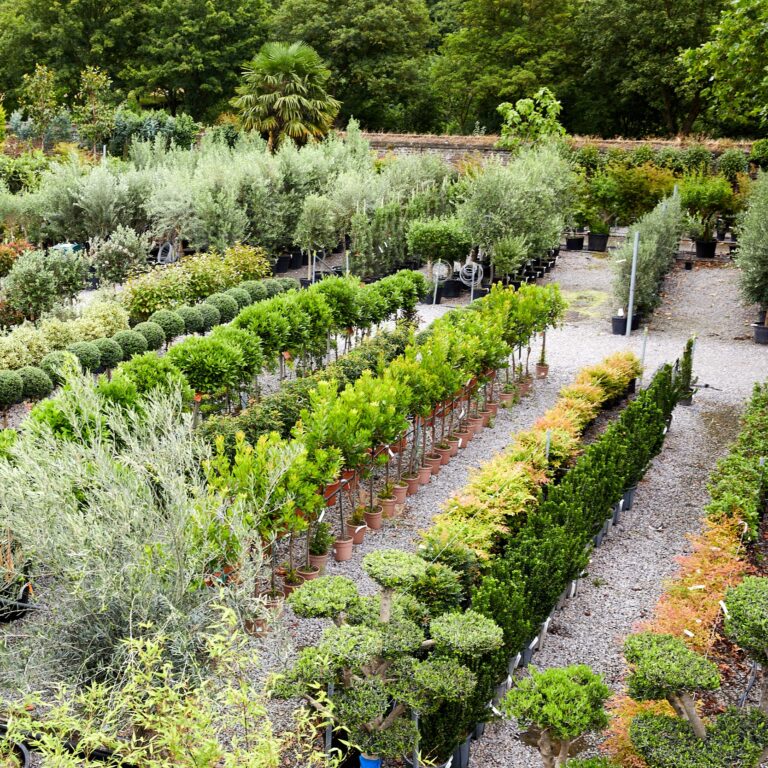
Grow for Beauty, Grow for Life
You don’t need to sacrifice beauty for biodiversity. A well-planned, plant-focused garden can offer vibrant seasonal colour, year-round interest, and critical support to wildlife. By choosing the right plants — especially native species and nectar-rich varieties — your garden becomes part of a larger living network.
So next time you’re planning a planting scheme, ask not just what looks good — but what feeds, shelters, or supports life. Your garden will be better for it. And so will the planet.