How do we measure our products?
Crocus sativus
saffron crocus, autumn crocus
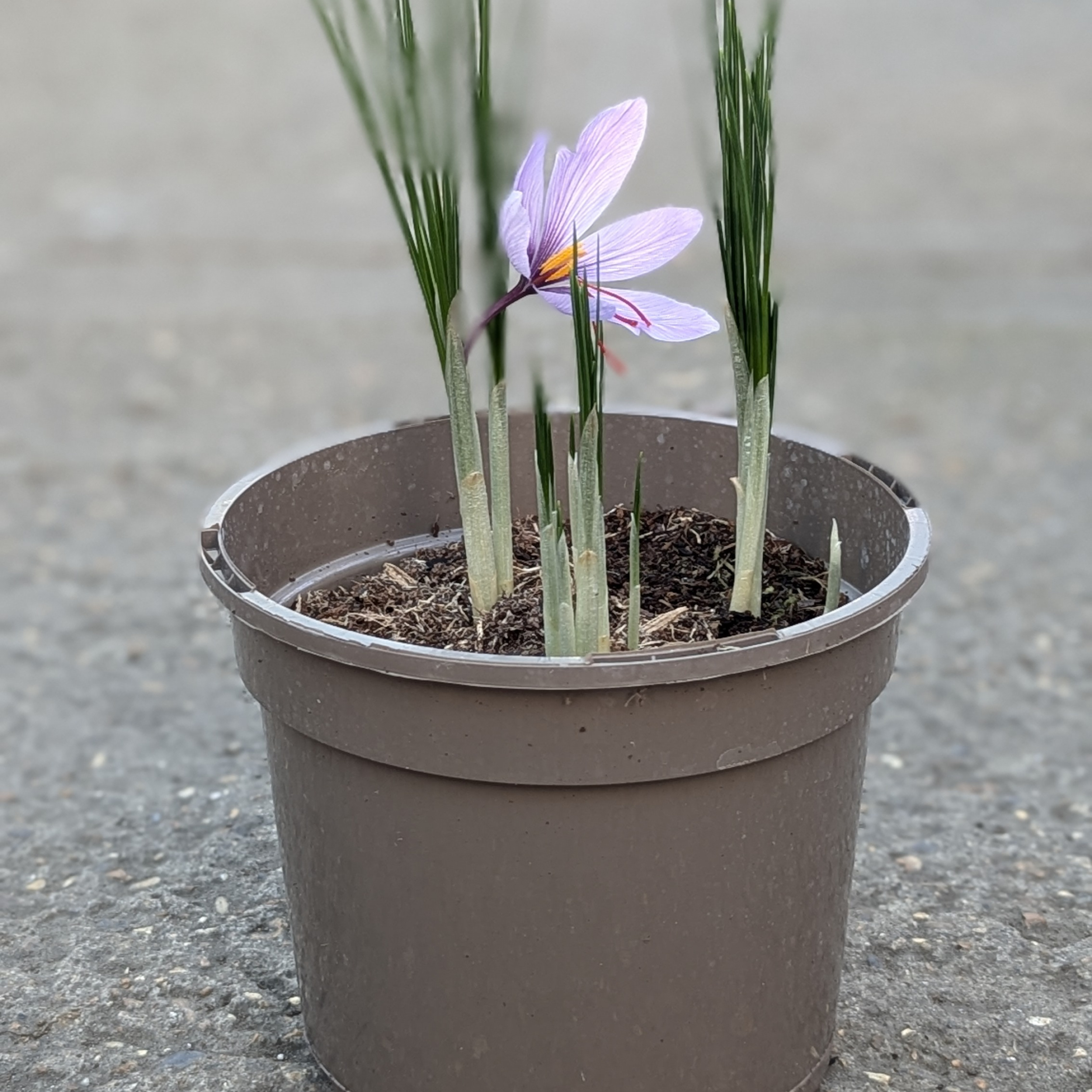
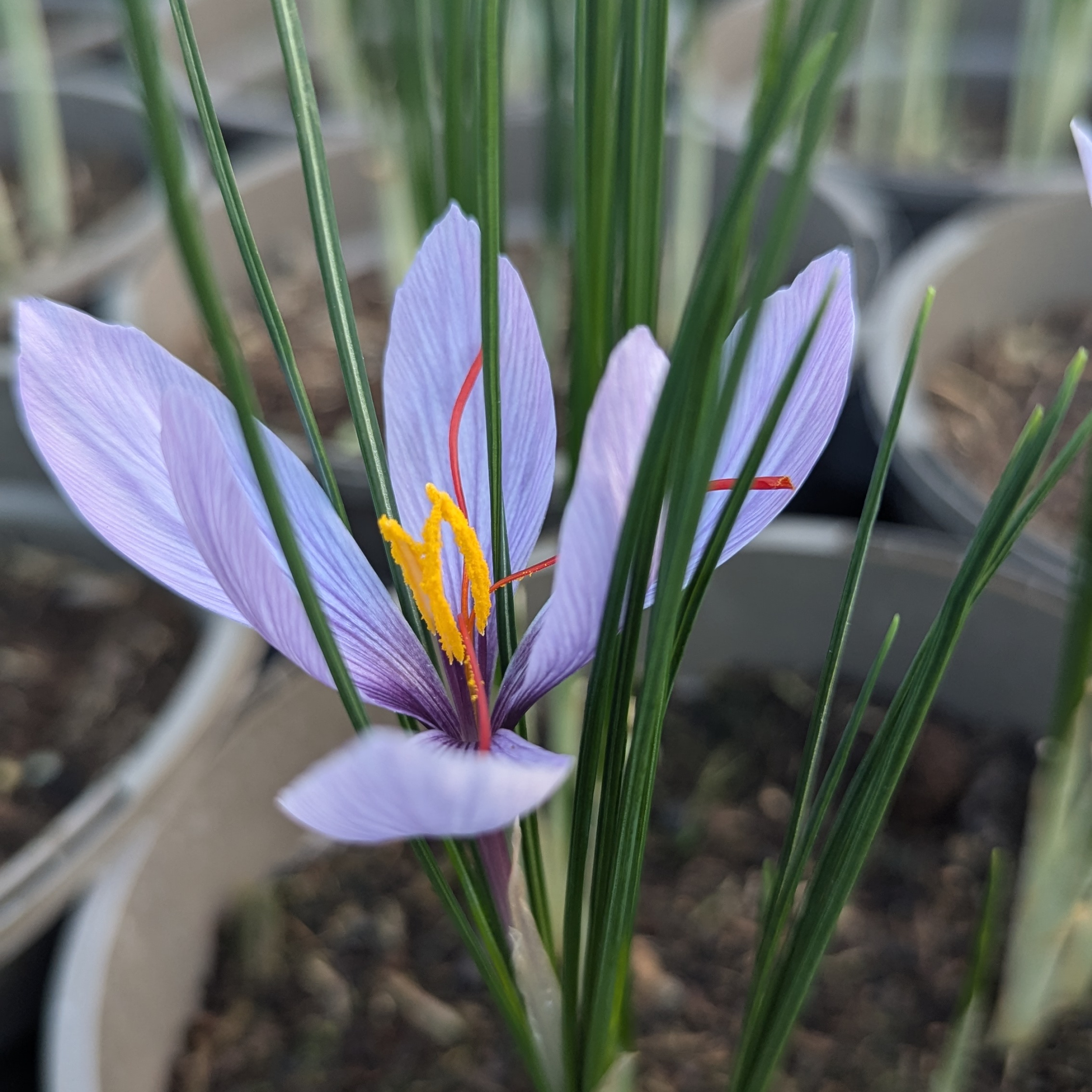
Crocus sativus, commonly known as saffron crocus that adds vibrant colour and elegance to any garden. With its delicate purple blooms, this unique plant brings an exotic charm to outdoor.spaces
Crocus sativus is out of stock
Want to be notified when this product is back in stock?
Plant Biography
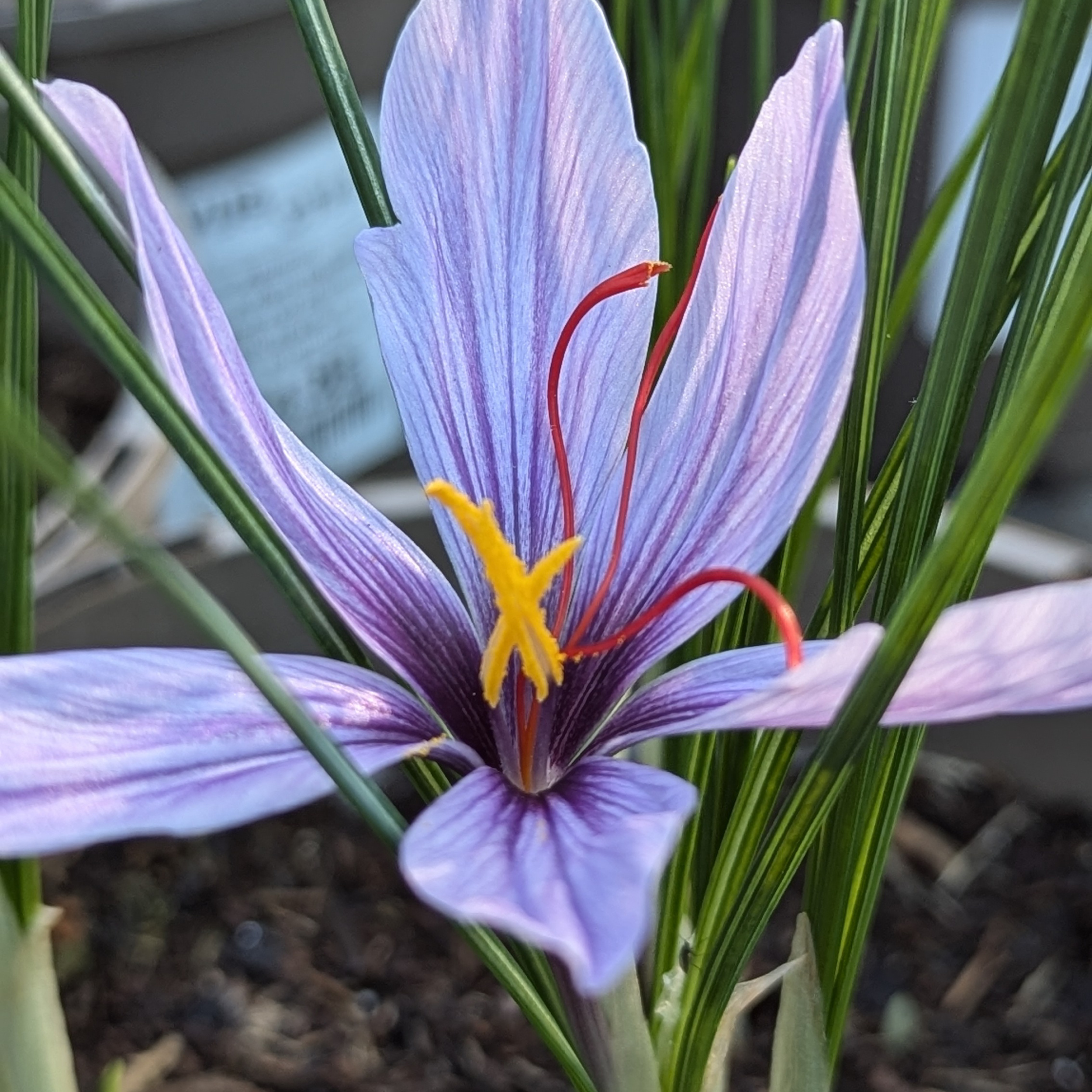
Crocus sativus, commonly known as the saffron crocus, is a remarkable flowering plant cherished for its vibrant purple petals and striking red stigmas.
This perennial is part of the iris family (Iridaceae) and thrives in sunny, well-drained conditions. It has been cultivated for over 3,000 years for its ornamental and practical value.
Notably sterile, Crocus sativus does not produce seeds and is propagated via corms. Each bloom typically produces three crimson stigmas, which are hand-harvested to create saffron.




Size and Care Guidance
Choose a sunny, sheltered spot with well-draining soil, ideally sandy or loamy, to prevent waterlogging. Raised beds or containers work well if the soil is heavy. Water sparingly after planting, ensuring the soil remains lightly moist but not soggy. In autumn and winter, rainfall is typically sufficient.
Allow the green foliage to remain after flowering, as it feeds the corms for the next growing season. Trim it back only when it naturally withers in spring. Although hardy, Crocus sativus benefits from mulching with straw or compost in colder areas to protect against severe frosts.
Every 3-5 years, lift and divide the corms in midsummer once the foliage has died back, replanting them for continued blooms.






Reviews
There are no reviews yet.