Zanzibar Gem, ZZ plant, fern arum, aroid palm… this plant has many common names, perhaps because its Latin name (Zamioculcas zamiifolia) is such a mouthful. Known for its hardy, glossy leaves and low-maintenance nature, it is perfect for those looking to add a stylish yet resilient plant to their indoor spaces. Here’s a straightforward guide to keeping your ZZ plant looking healthy and lush.
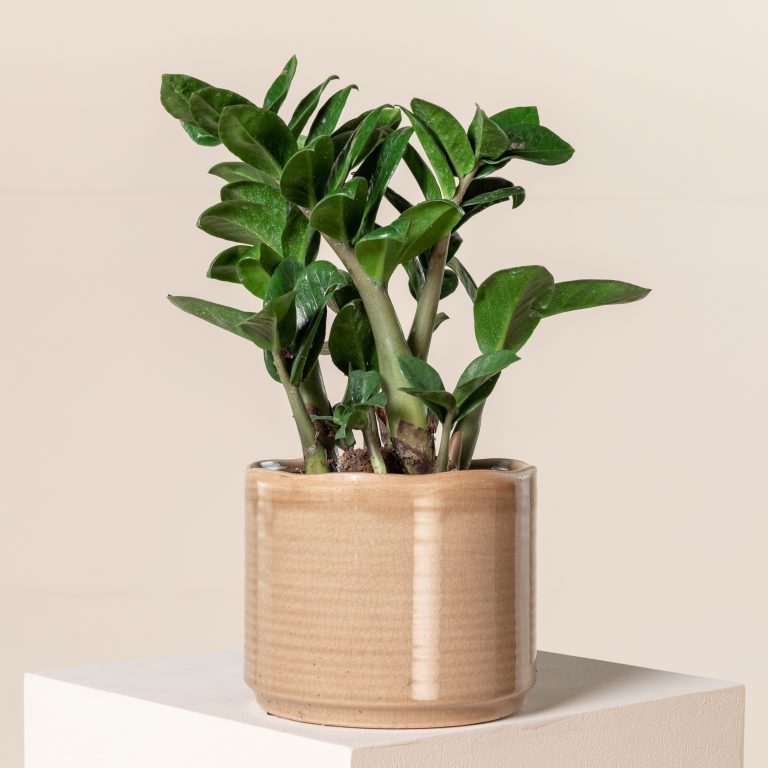
1. Choose the Right Light
ZZ plants are highly adaptable and can handle low light conditions, making them perfect for rooms with limited natural light. Ideally, though, they prefer bright, indirect light, which can promote slightly faster growth. Avoid direct sunlight, as it can scorch the leaves, especially if your plant is accustomed to low light.
In very dark locations, consider rotating your Zanzibar gem plant to a brighter spot every couple of weeks to allow it to photosynthesise, but be careful not to give it direct sun as this will scorch the leaflets.
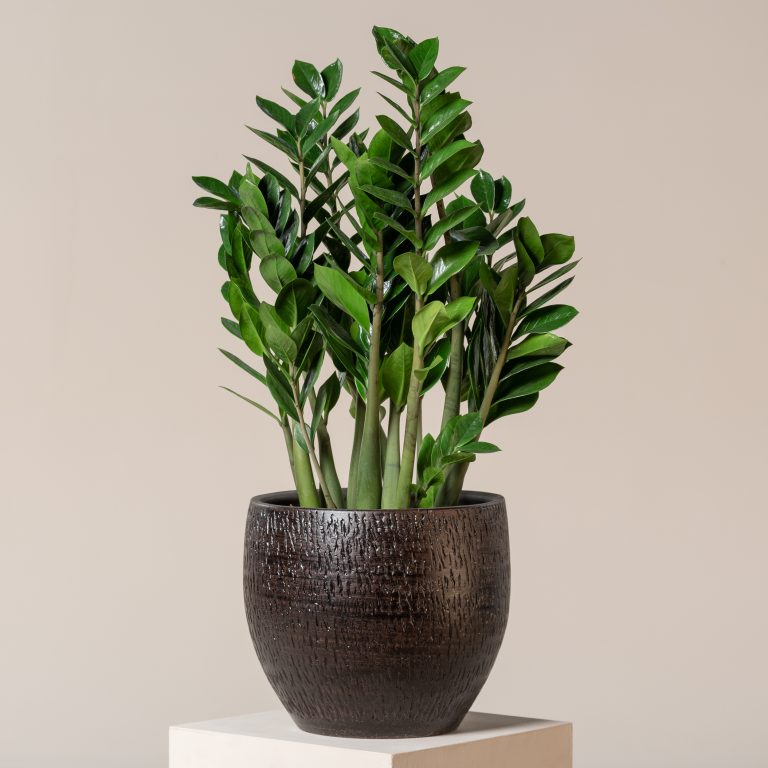
2. Water With Care
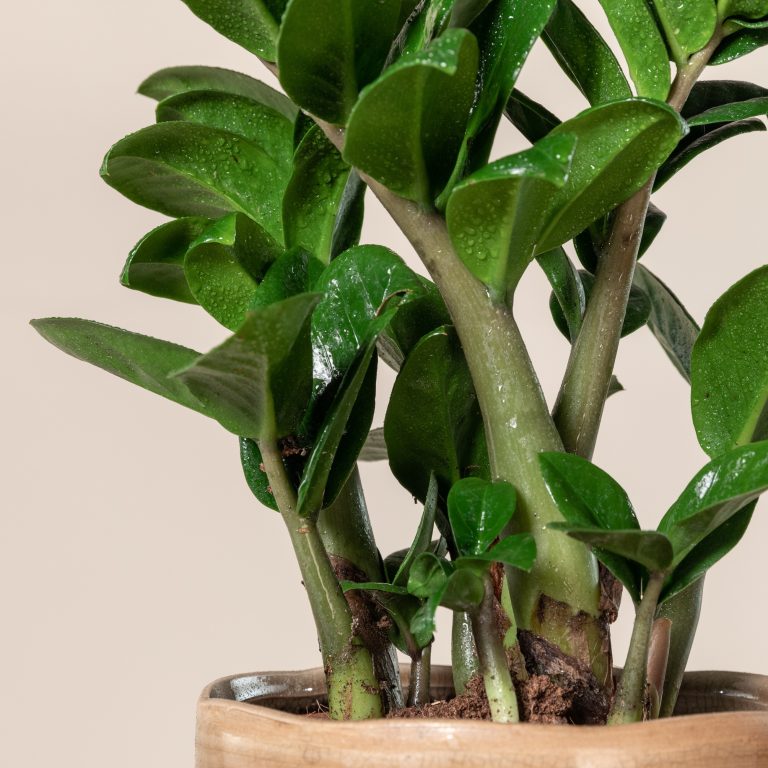
ZZ plants have rhizomes that store water, allowing them to go for extended periods without a drink. To avoid overwatering, let the top few inches of soil dry out completely between waterings. In general, watering once every 2-3 weeks should suffice, but always adjust based on the environment’s humidity and temperature.
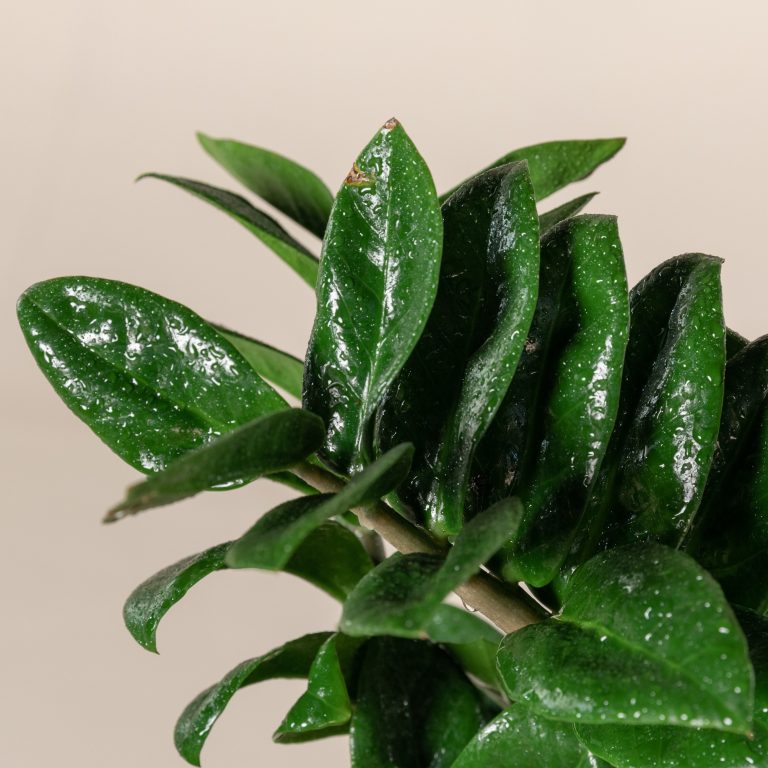
3. Select the Correct Soil and Pot
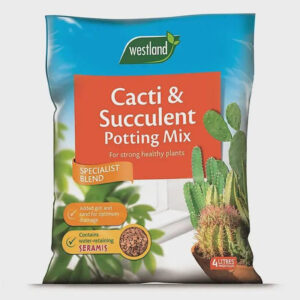
ZZ plants need well-draining soil to thrive. A cactus or succulent soil mix works well, or you can mix regular potting soil with sand or perlite to improve drainage. Always use a pot with drainage holes to prevent water from pooling, which can lead to root rot.
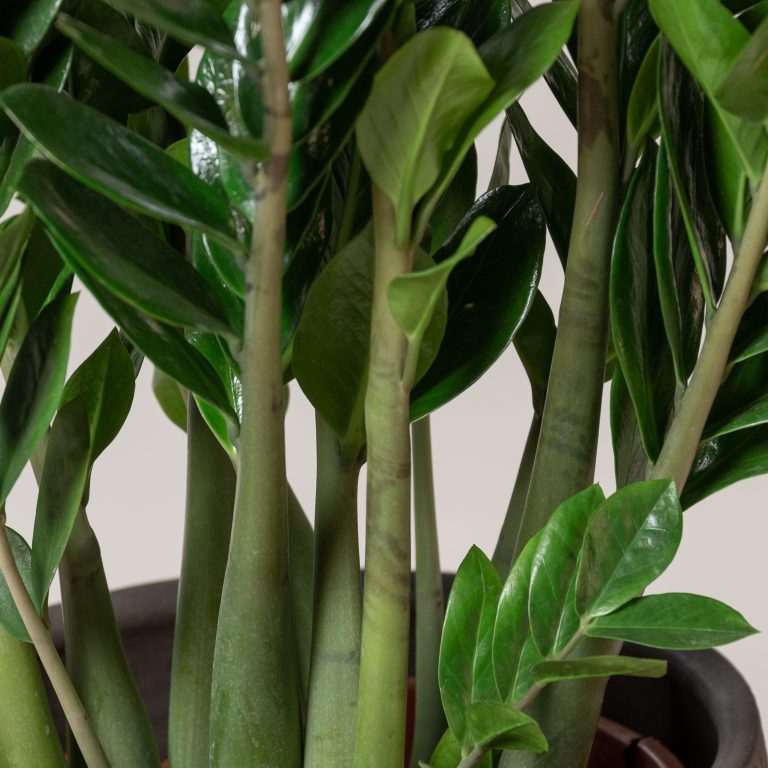
4. Light Fertilising
ZZ plants are not heavy feeders. A balanced liquid fertiliser applied once or twice during the growing season (spring and summer) is sufficient. Skip fertilising during autumn and winter, as the plant slows down in cooler months when light levels are not high enough to encourage growth.
5. Keep an Eye Out for Pests
While ZZ plants are typically pest-resistant, occasional issues can arise. Mealybugs and spider mites can sometimes be a problem; to remove them, wipe down the leaves with a damp cloth and spray with SB Invigorator. Avoid overwatering to minimise the risk of root rot and ensure good air circulation.
Conclusion
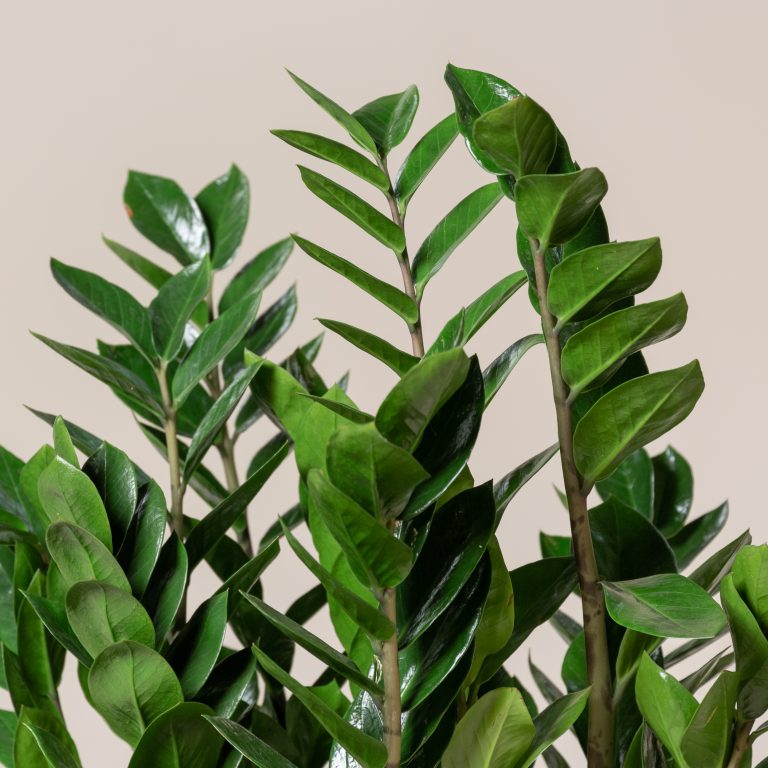
With minimal care, Zanzibar Gem plants bring lush greenery and a modern aesthetic to any indoor environment. Their resilience makes them a top choice for both beginner and experienced plant parents alike. Follow these tips to keep your ZZ plant thriving, and enjoy its beauty year-round.
Related products
Related reading
Top 5 Indoor Plants for Low Light Levels
It’s relatively easy to find houseplants that enjoy brightly lit indoor locations, either on a windowsill or nearby. But what about those darker corners of the room which don’t receive as much light? While no green plant can survive total darkness, you may be surprised to hear that there are plenty that can cope with lower light levels. Most of these plants originate from tropical and subtropical forests, where the dense canopy can greatly restrict the amount of light that filters down to the understorey, making them a perfect choice to lighten up those gloomy corners around the house.
Here are our top five picks for those tricky locations.
Read article
Top 10 Trending Indoor Plants
Stay on top of the latest indoor plant trends as we break down the most popular houseplants right now.
Read article
The Best Plants for Housewarming Presents
Here at the Palm Centre we believe that houseplants make the most wonderful housewarming gift. From students settling into a new share house to a young couple moving into their first home, giving someone a living organism is the most beautiful and sustainable way of wishing them success in their new environment.
Read article