How do we measure our products?
Citrus reticulata
mandarin orange
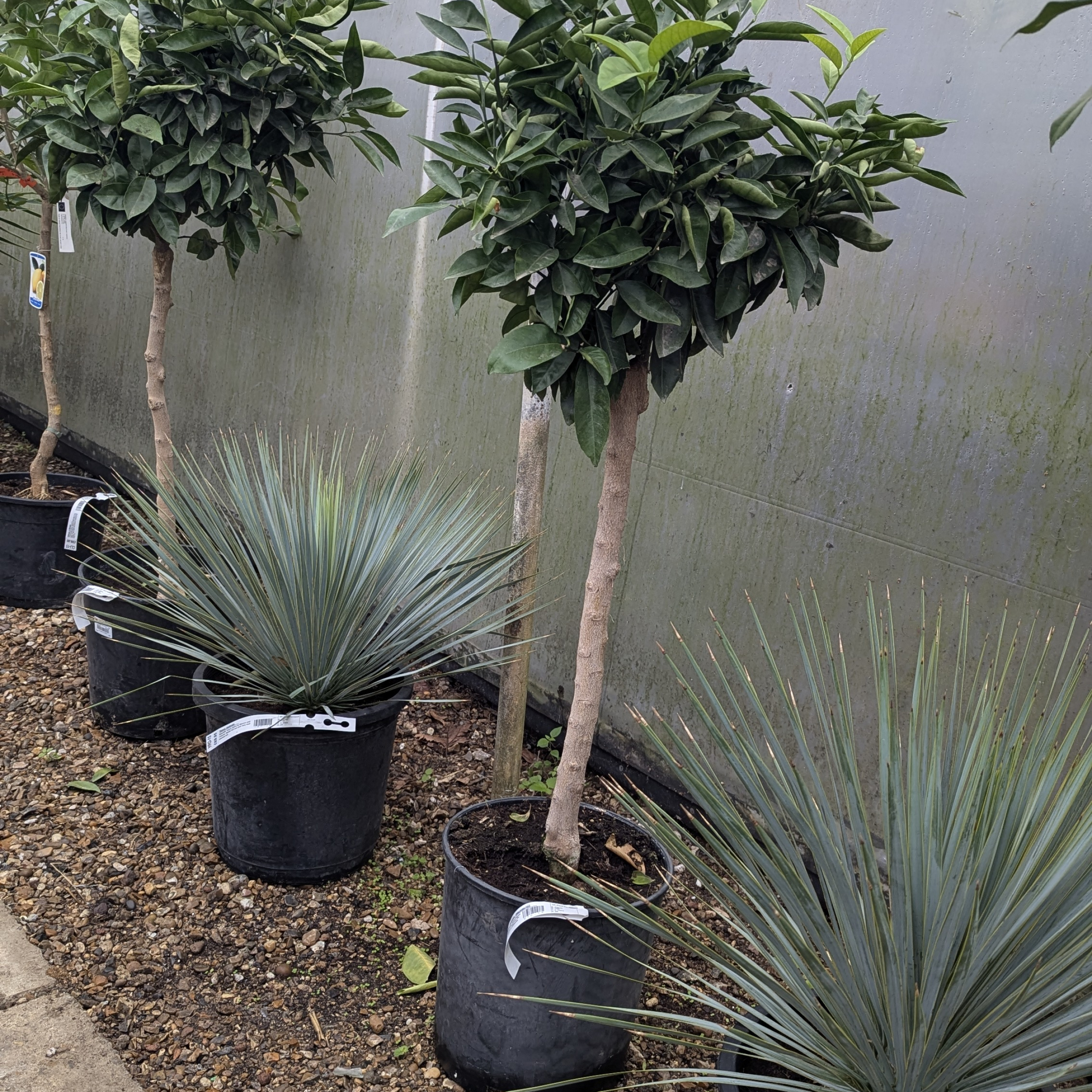
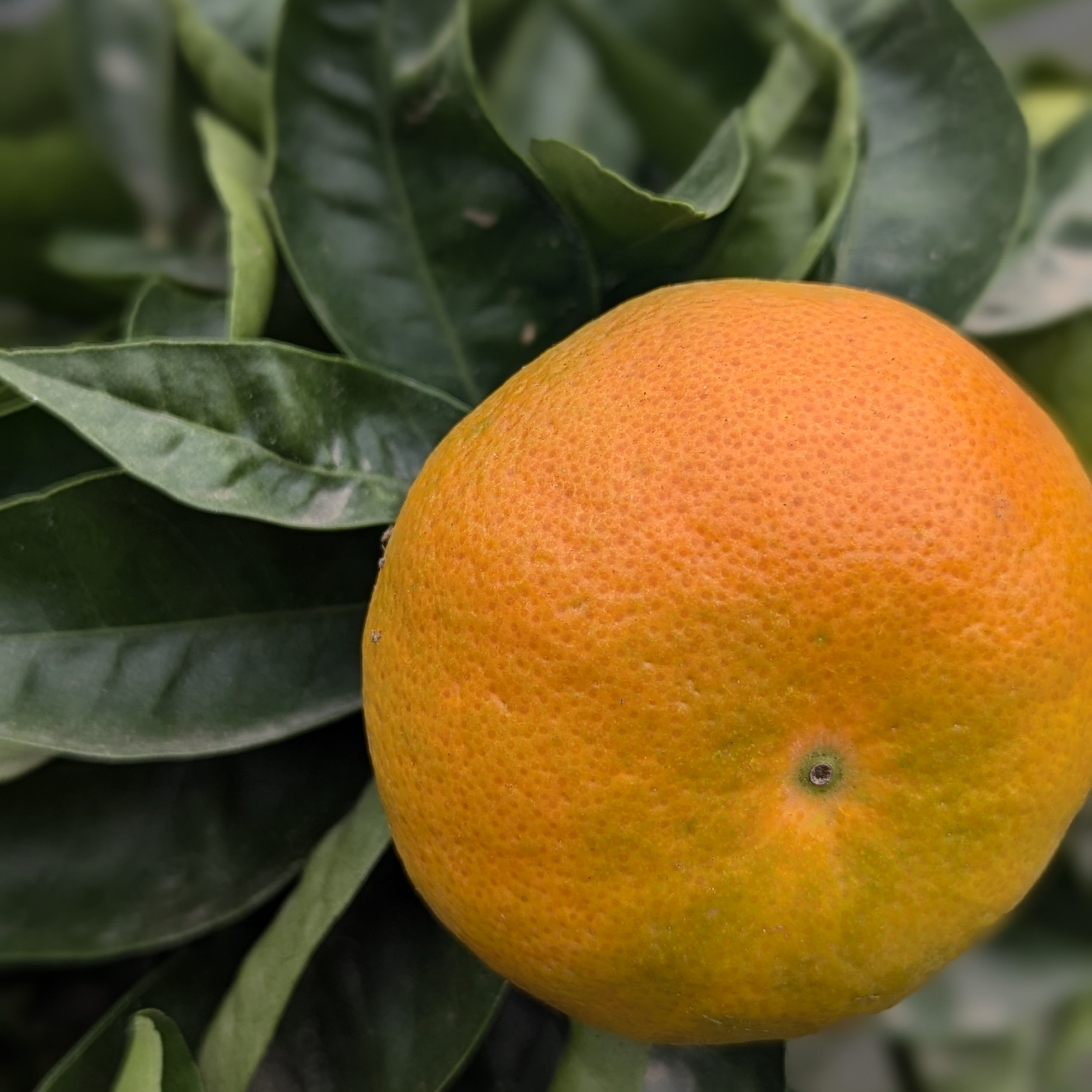
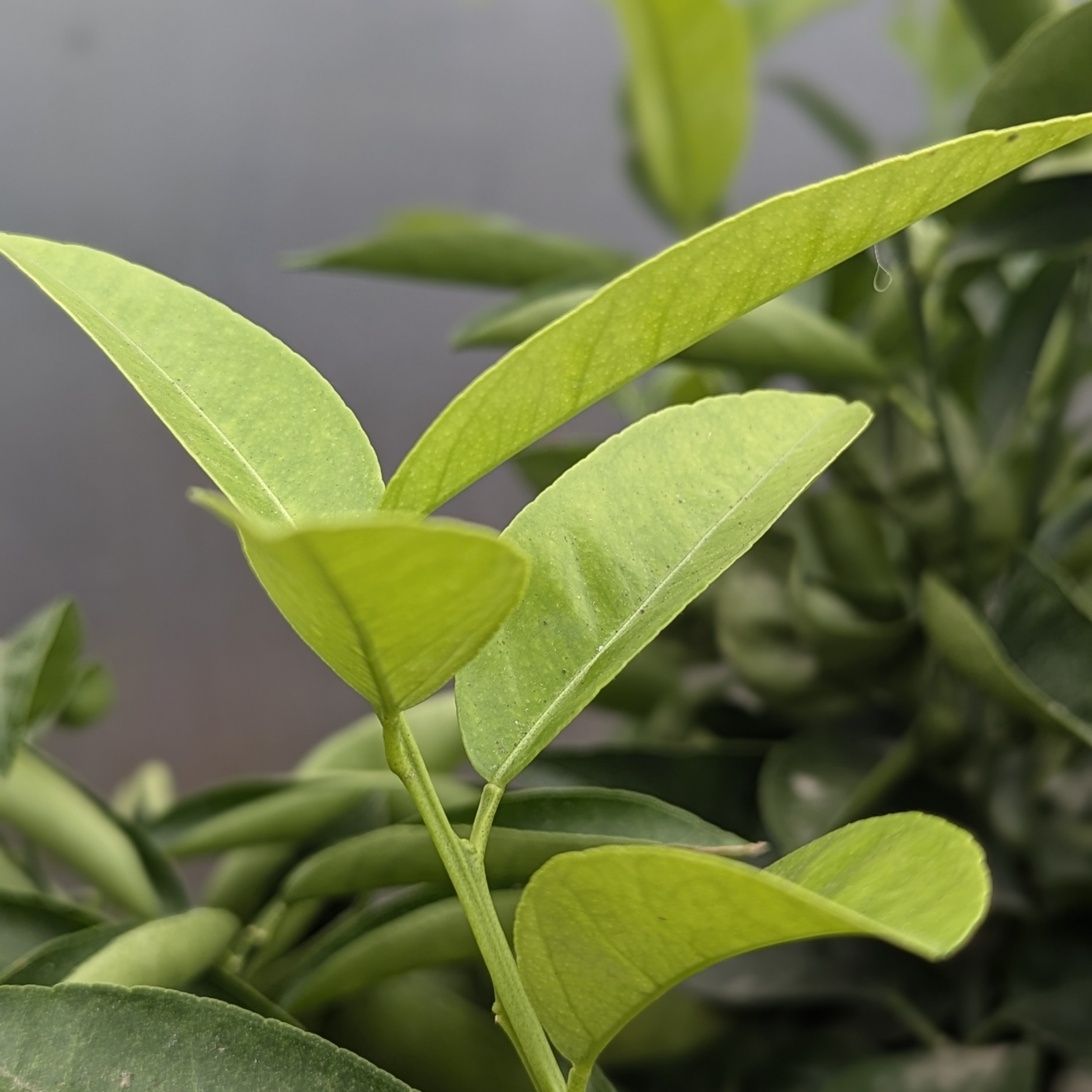
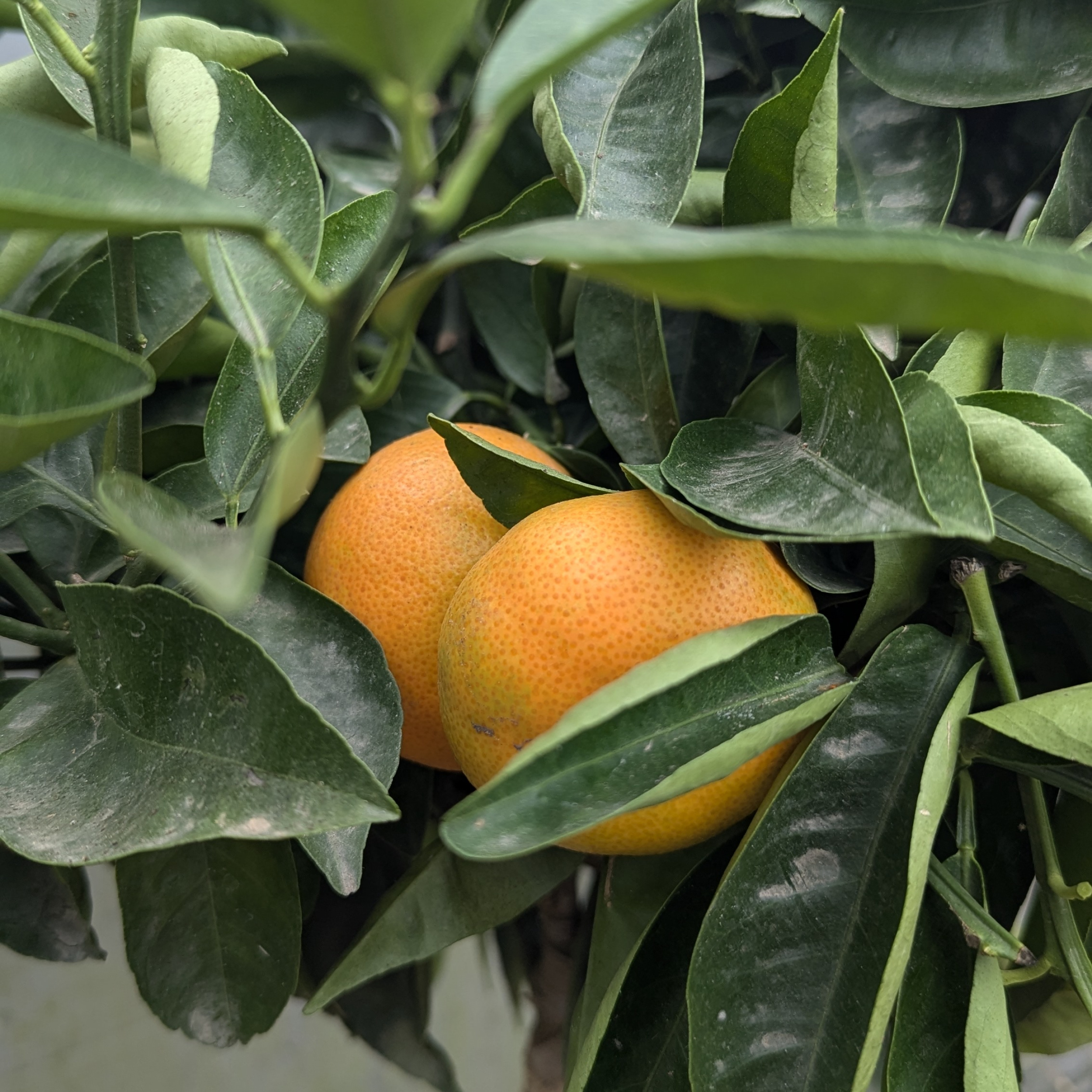
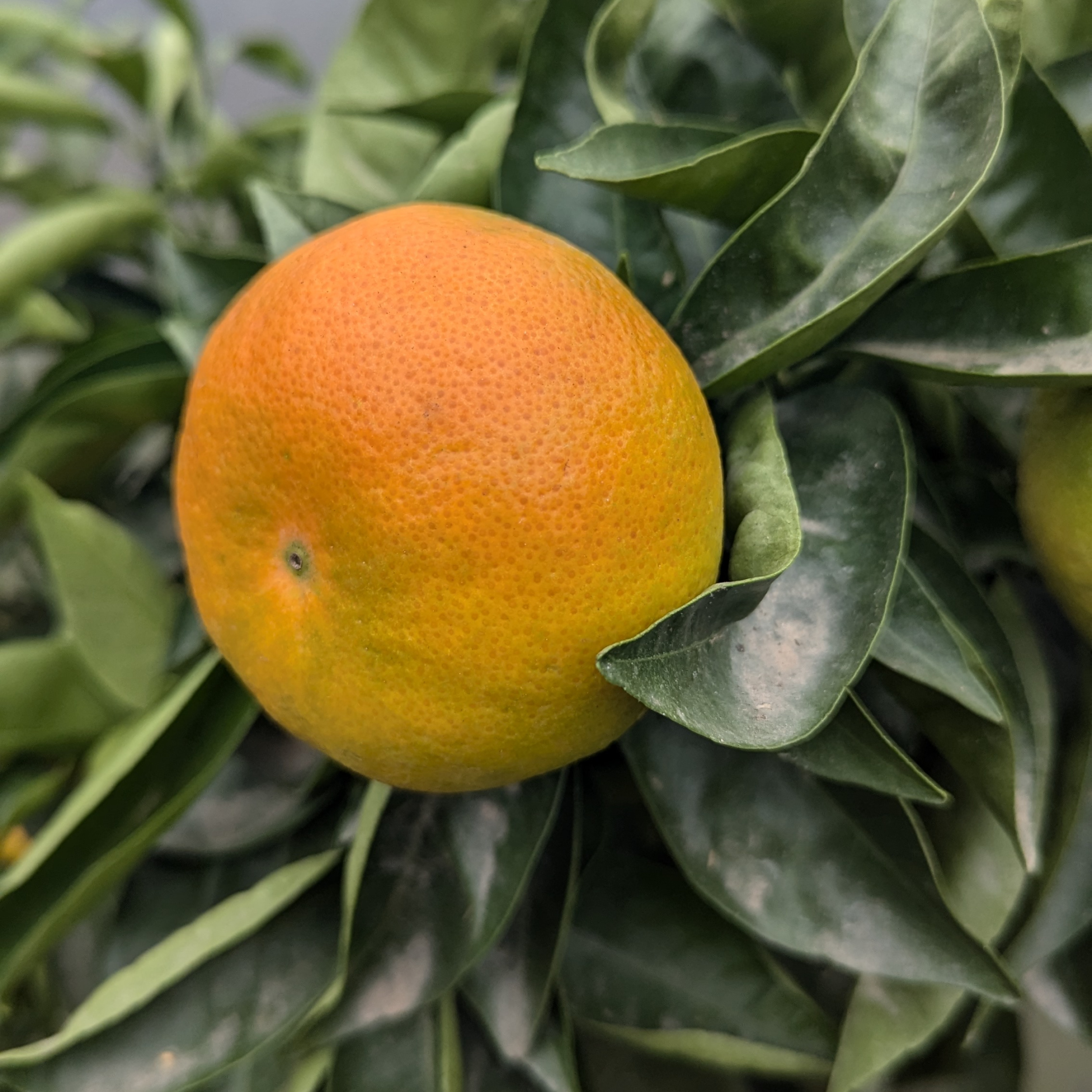
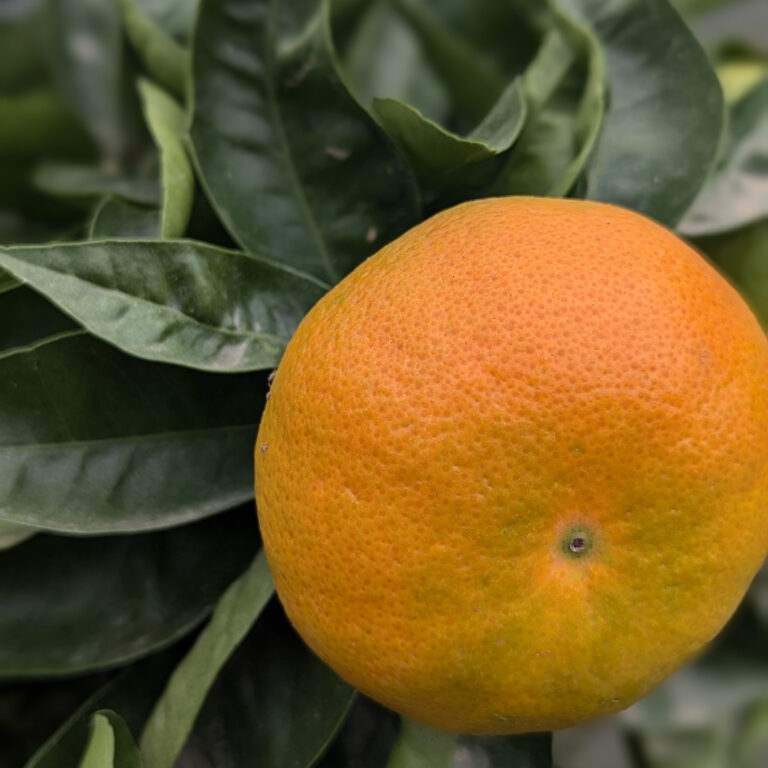
Citrus reticulata, the Mandarin orange tree, brings a Mediterranean feel to indoor spaces. Known for its compact size, this evergreen citrus produces glossy green leaves, delicate white flowers, and sweet, easy-to-peel fruits. Its fragrant blossoms and vibrant foliage make it both ornamental and fruitful, a standout addition to bright interiors.
Citrus reticulata is out of stock
Want to be notified when this product is back in stock?
Plant Biography
Citrus reticulata, commonly known as the Mandarin orange, has a rich history rooted in ancient Southeast Asia, where it is believed to have originated. This species, one of the oldest cultivated citrus varieties, has been cherished for thousands of years and was first domesticated in regions that are now parts of China, Vietnam, and Japan. Mandarins have held a special place in Chinese culture, where they symbolize prosperity and good fortune, often exchanged as gifts during the Lunar New Year and other festive occasions. From there, they gradually spread along trade routes to India, the Middle East, and later to Europe and the Americas in the 19th century.
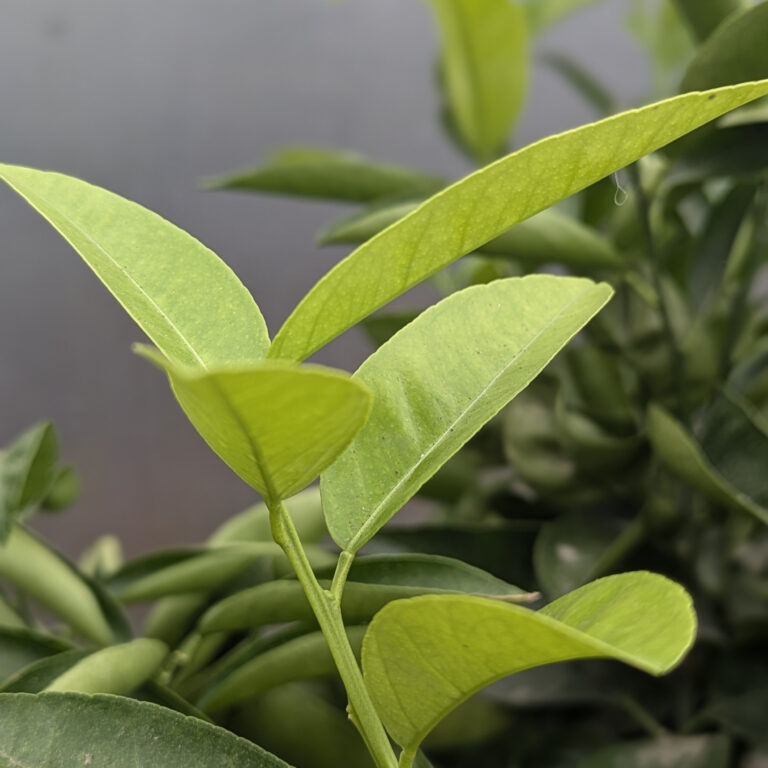
The Mandarin orange tree is not only valued for its fruit but also for its aromatic leaves, which release a distinctive citrus fragrance when crushed. The leaves, flowers, and peels have been used in various traditional medicinal practices, particularly in China and Southeast Asia, where they are believed to aid digestion and relieve respiratory issues. The essential oils derived from the leaves and peels of the mandarin are commonly used in aromatherapy to reduce stress and anxiety, valued for their bright and refreshing scent.


From outdoor to indoor
In addition to its therapeutic uses, Mandarin orange leaves are sometimes incorporated into cooking and herbal teas for a mild citrus flavour. The compact, bushy form and fragrant blossoms make it a popular ornamental plant for indoor gardening, especially in regions with cooler climates, as it can thrive indoors with sufficient light.
Citrus reticulata continues to be cultivated worldwide, both as a fruiting plant and for its ornamental appeal, bridging cultural significance with modern indoor gardening trends.
Citrus factoid
Care & size guidance
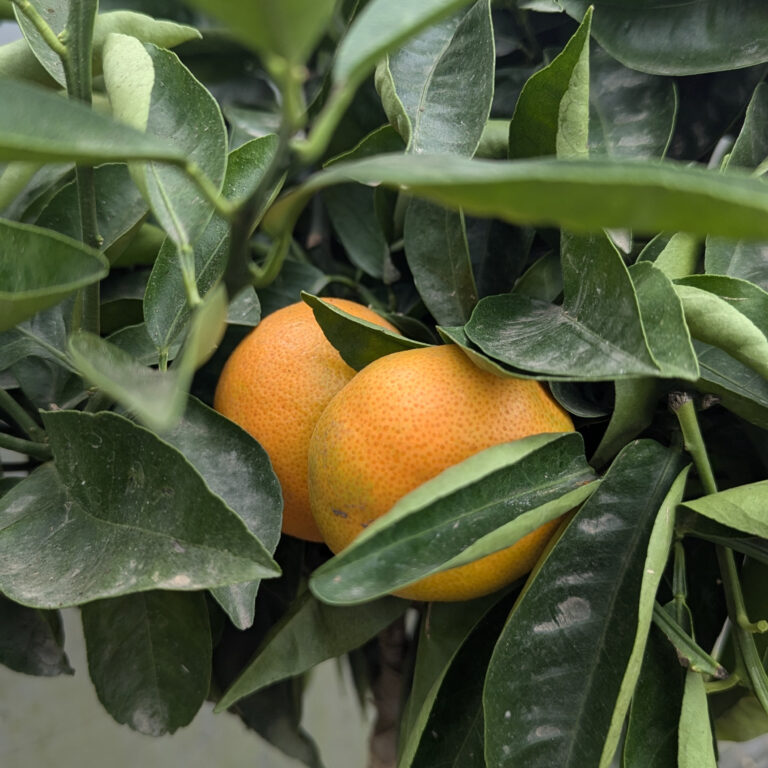
In a typical UK home, Citrus reticulata (Mandarin orange) thrives when placed in a bright spot with plenty of indirect sunlight, ideally near a south or west-facing window. Because UK winters can be low on natural light, consider supplementing with a grow light to maintain healthy growth during darker months.
A key tip for indoor Mandarin orange care is maintaining stable humidity levels. While central heating can dry the air, especially in winter, misting the plant regularly or placing it near a humidity tray can help mimic its natural environment.
Keep the soil slightly moist but avoid overwatering, as mandarins are prone to root rot. Additionally, fertilize every two weeks during the growing season with a citrus-specific fertilizer to ensure it receives the nutrients needed for flowering and fruiting indoors.

Reviews
There are no reviews yet.