How do we measure our products?
Livistona australis
Cabbage Tree Palm
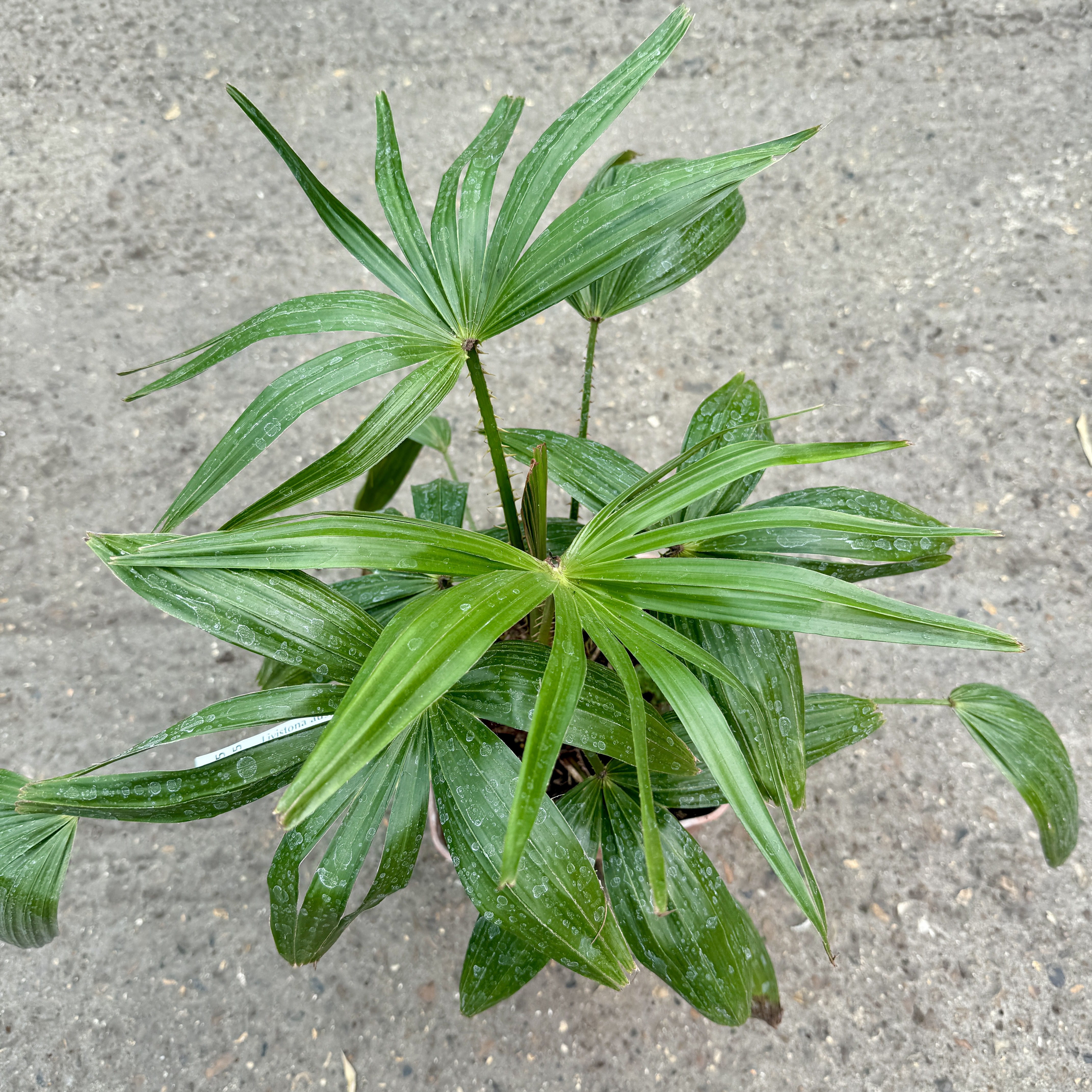
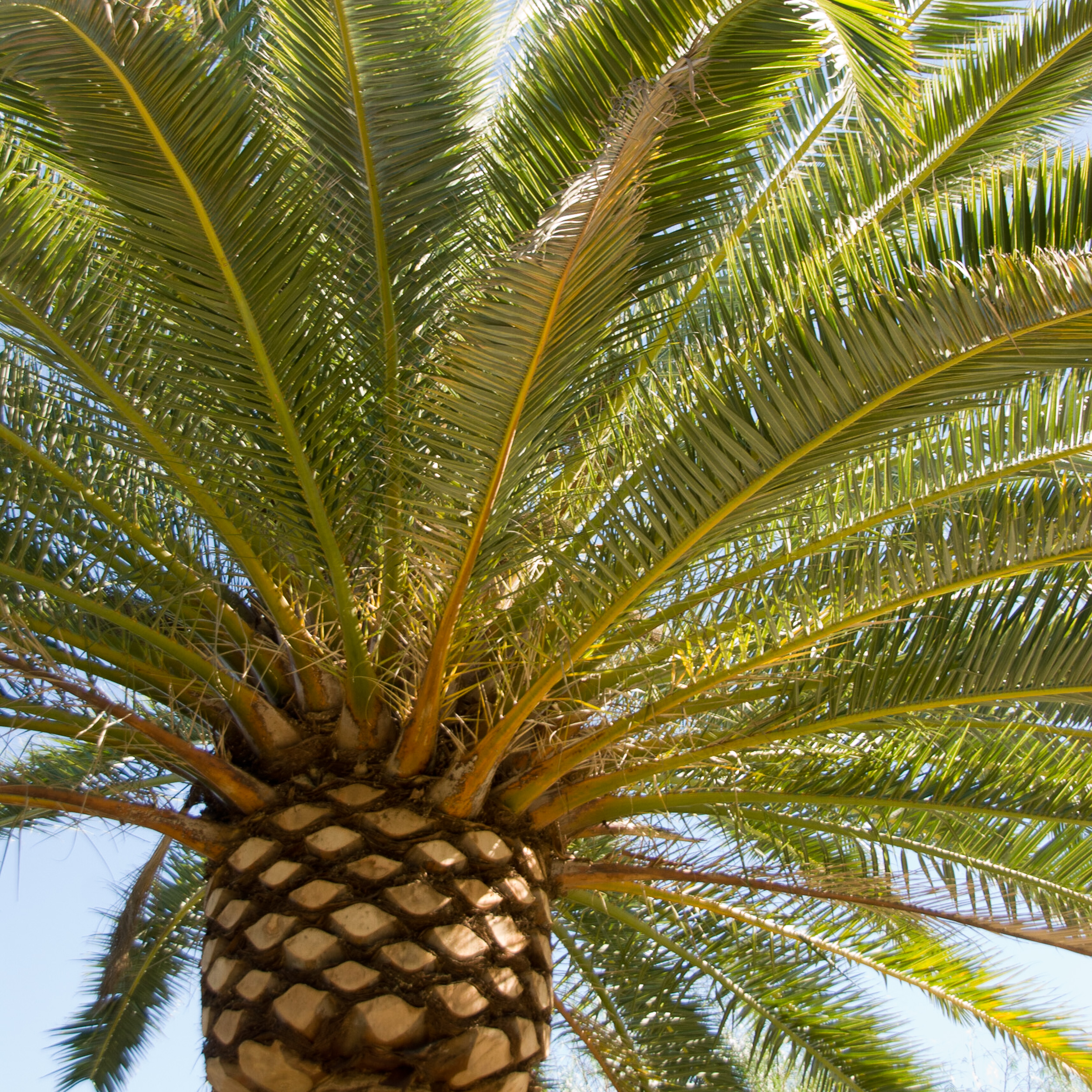
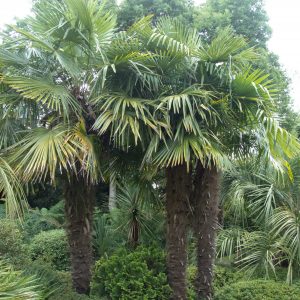
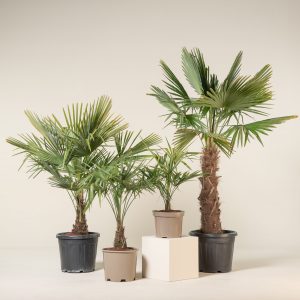
Livistona australis is an elegant evergreen palm with broad, fan-shaped leaves and a slender trunk. This Australian native adds a tropical touch and architectural presence to gardens, tolerating mild UK winters in sheltered spots. Creamy-white summer flowers and relatively low maintenance needs make it a striking feature for larger outdoor spaces.
Livistona australis is out of stock
Want to be notified when this product is back in stock?
Plant Biography
Livistona australis hails from the temperate to subtropical regions along the eastern coastline of Australia, thriving in rainforests and damp coastal areas. It was first described in the early 19th century and quickly became valued for its resilience and architectural form.
The common name ‘Cabbage Tree Palm’ refers to the tender new growth which was historically eaten by early settlers and indigenous Australians. Its genus name, Livistona, honours Scottish botanist Patrick Murray, Baron of Livingston. In addition to its ornamental appeal, the species has played an important role in Australian landscaping and is often seen in parks and avenue plantings.




Care & Size Guidance
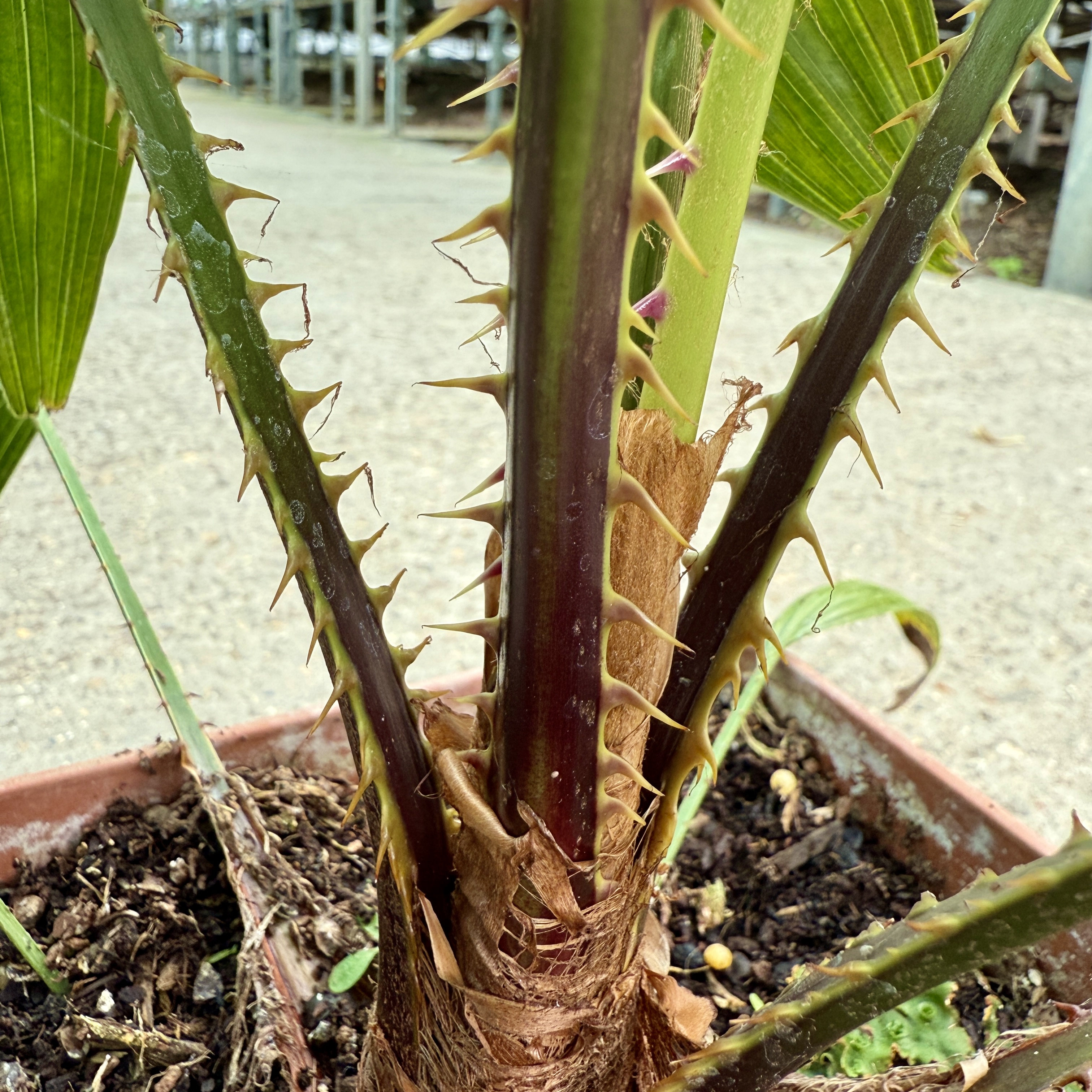
Livistona australis makes an excellent houseplant where there is enough space to steer clear of the spines that line the petioles. A large conservatory (heated or unheated) makes the perfect location.
In milder locations, you could try this in a permanent outdoor position. There are several mature specimens in Cornwall. To give it the best chance, plant Livistona australis in a sheltered, sunny or partially shaded location, away from cold winter winds. Ensure soil is fertile and well-drained, watering frequently in warmer months and reducing watering over winter.
While this palm tolerates brief periods of light frost, young plants benefit from extra protection during severe cold snaps. Mulching around the base helps retain moisture and suppress weeds. In larger gardens, allow ample space for the palm to develop its graceful, arching fronds and tall trunk.
Related reading
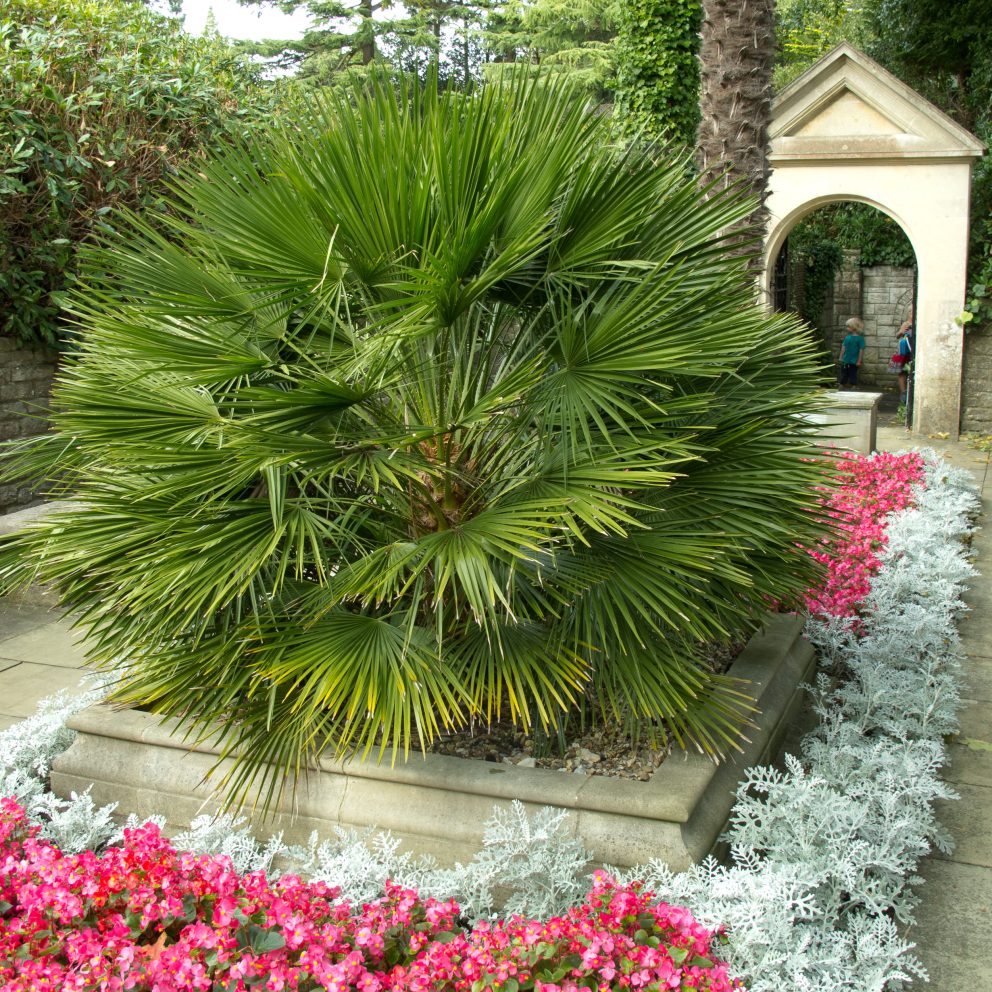
Top Five Hardy Palms for the UK
If you’ve just discovered the wonderful world of hardy exotic gardening then you might be wondering what palm trees you can grow in the UK climate. Here’s our list of the top five that we recommend.
Read article
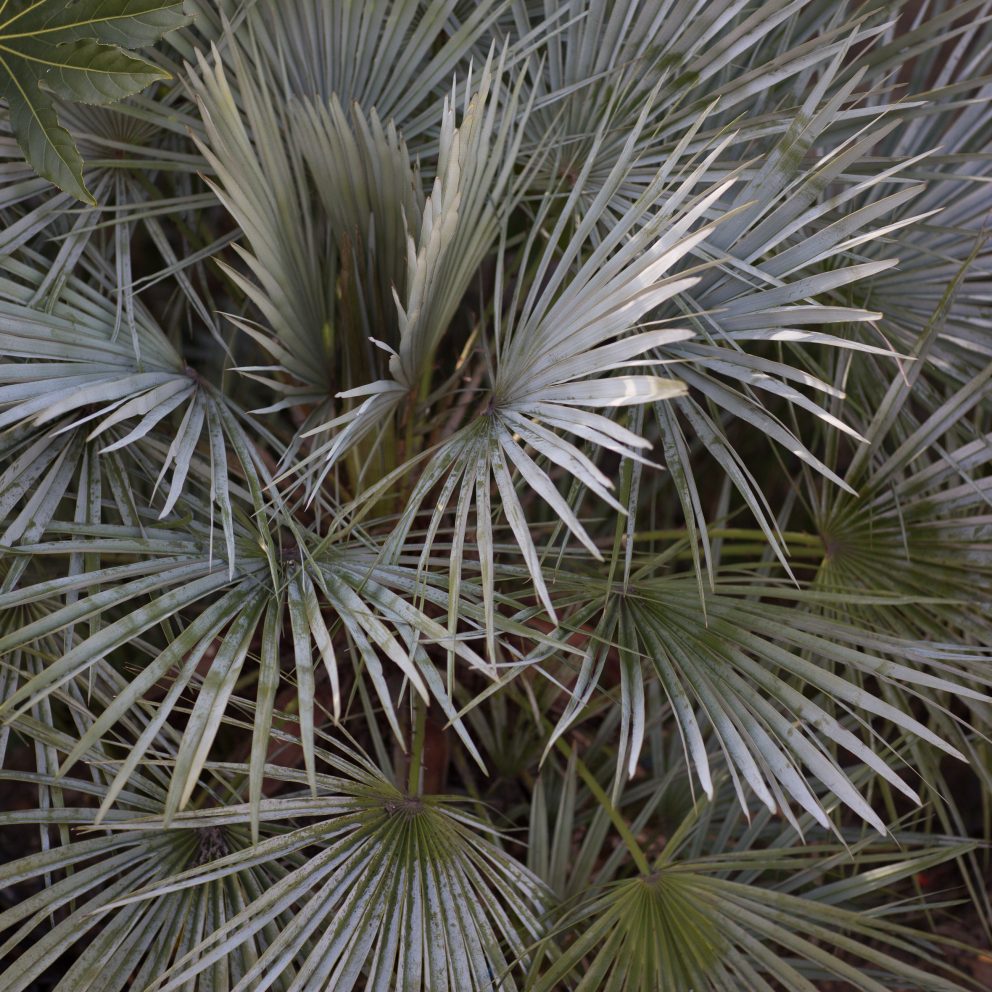
How to treat cold-damaged palms in the UK
When it comes to cold damaged palms, the old adage is true: prevention is better than cure! If at all possible, protect palms from freezing temperatures in the first place with horticultural fleece. That said, if you have a palm that has suffered with cold damage, keep reading to find out what you can do to give it the best chance of recovery and survival.
Read article 

Reviews
There are no reviews yet.