How do we measure our products?
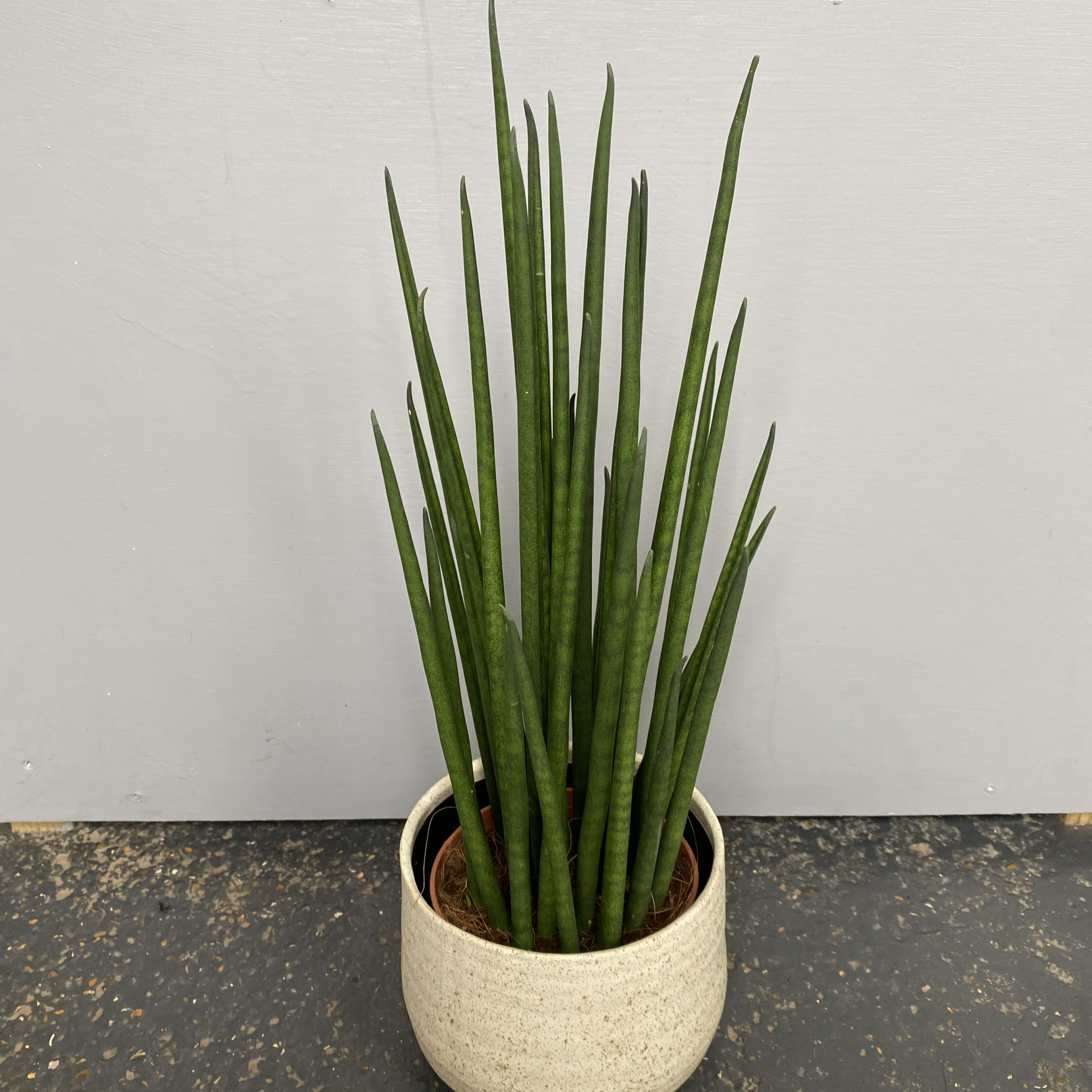
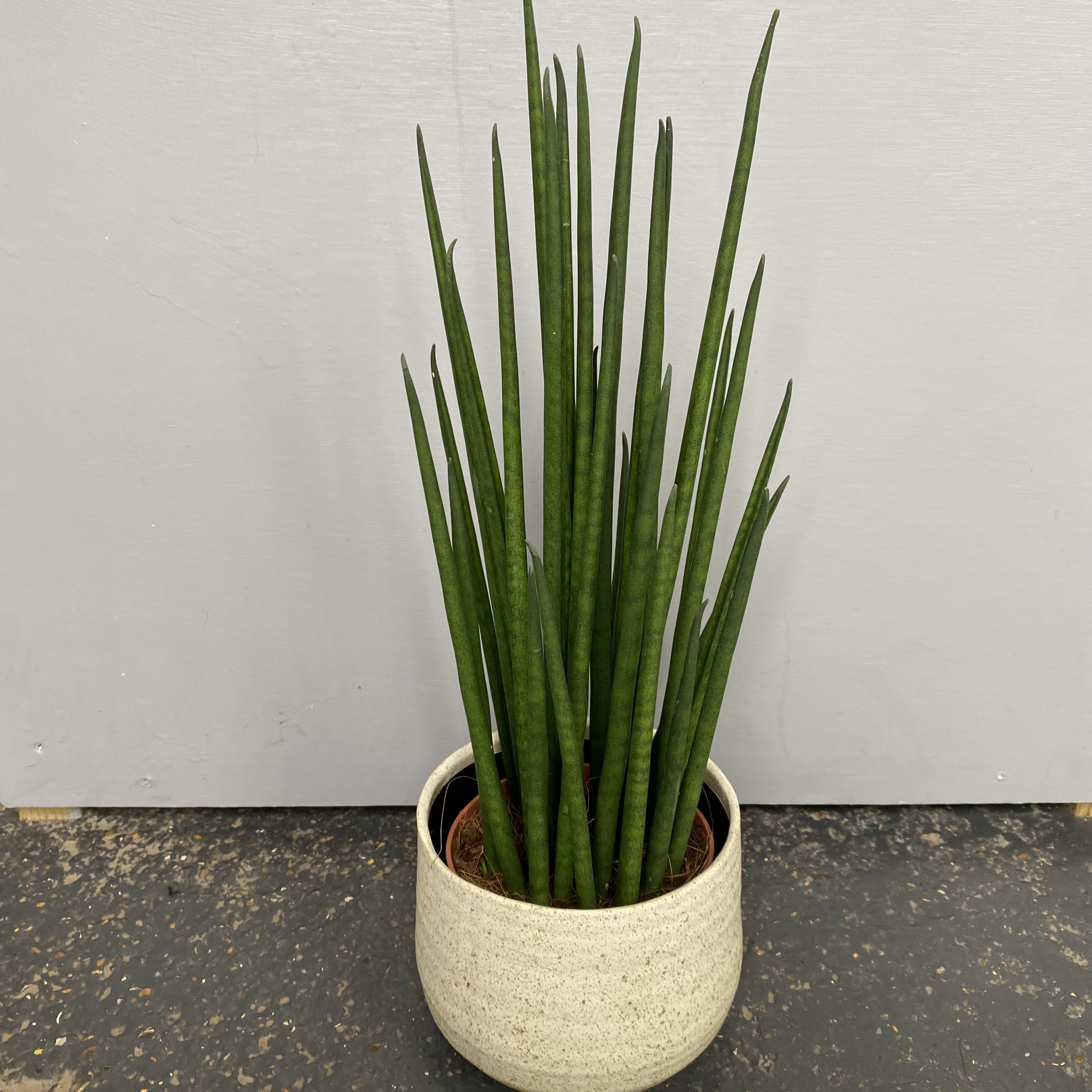
Sansevieria bacularis ‘Mikado’
rod leaf snake plant
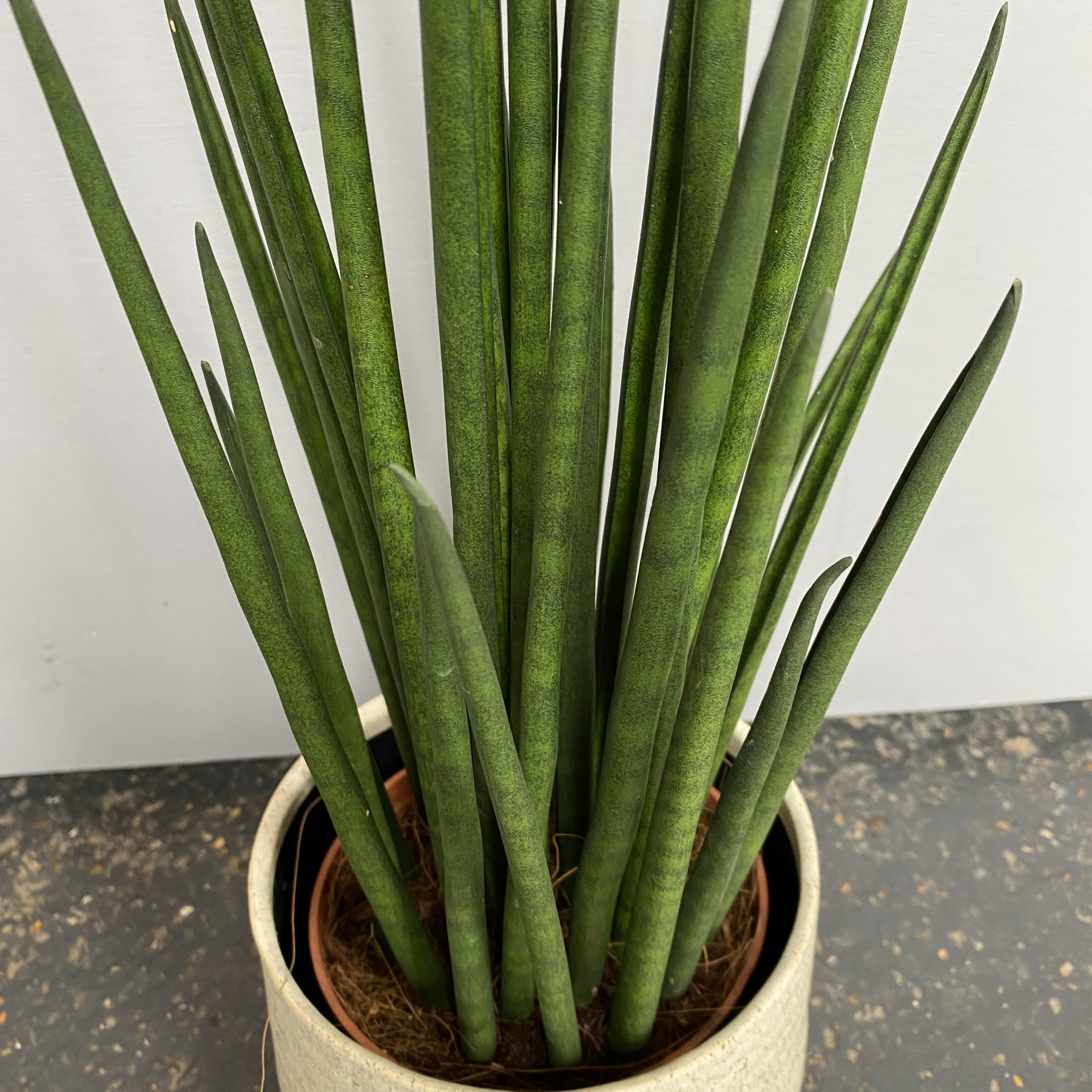
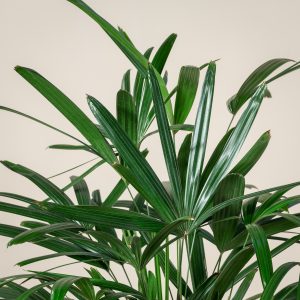
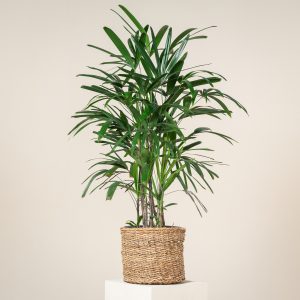
Sansevieria bacularis ‘Mikado’ is a sleek, easy-care houseplant with slender, upright leaves that create a striking, minimalist silhouette. Its rich green tones and subtle striations add an elegant touch to any space, while its hardy nature makes it perfect for both beginners and seasoned plant lovers.
Low-maintenance and resilient, this variety thrives in low light, making it an ideal addition to home or office environments.
Sansevieria bacularis 'Mikado' is out of stock
Want to be notified when this product is back in stock?
Plant Biography
Originating in tropical West Africa, particularly the dry regions of Angola, the Sansevieria bacularis is an arid plant, only recently described. The name is still debated among the botanists, due to its very recent discovery. Sometimes, you’ll find the S.bacularis in garden centres as “S.cylindrica” or “S.sulcata”.
The Mikado variety of this species is one of the few in commercial cultivation, recently introduced.
In 2017, genetic studies led to the reclassification of the species as Dracaena. However, many commercial growers continue to use the original name, which can sometimes cause confusion for customers. With over 200 years of history as the cherished Sansevieria, it might take some time for everyone to adjust to the new name.



S. bacularis vs. S. cylindrica
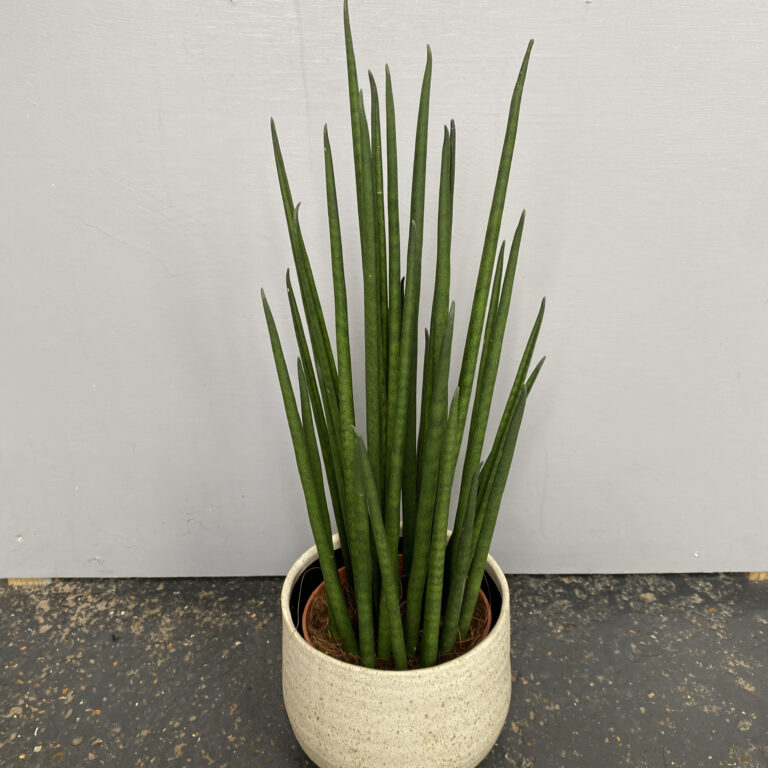
Sansevieria bacularis and Sansevieria cylindrica are visually distinct yet related varieties.
S. bacularis is known for its slender, rod-like leaves that grow upright in a compact, columnar form, making it ideal for smaller spaces or tabletop displays.
In contrast, S. cylindrica has broader, cylindrical leaves that fan out from the base, giving it a bolder, more architectural look that can spread wider, making it a striking choice for larger spaces.
While S. bacularis offers a sleek, minimalist touch, S. cylindrica brings a dramatic flair, ideal for creating a lush, sculptural statement in any setting.
Care & Size Guidance
Sansevieria bacularis is a resilient, low-maintenance plant ideal for beginners. It thrives in bright, indirect light but can also tolerate low light, making it adaptable to various indoor settings.
Water sparingly, allowing the soil to dry out between waterings, and reduce watering to once a month during winter. Use well-draining cactus or succulent soil to prevent root rot, and keep it in average indoor humidity with good airflow.
Feed with a balanced, diluted fertiliser once a month in spring and summer.
Expert Tip
You may also want to read about..
How to care for your Snake Plant
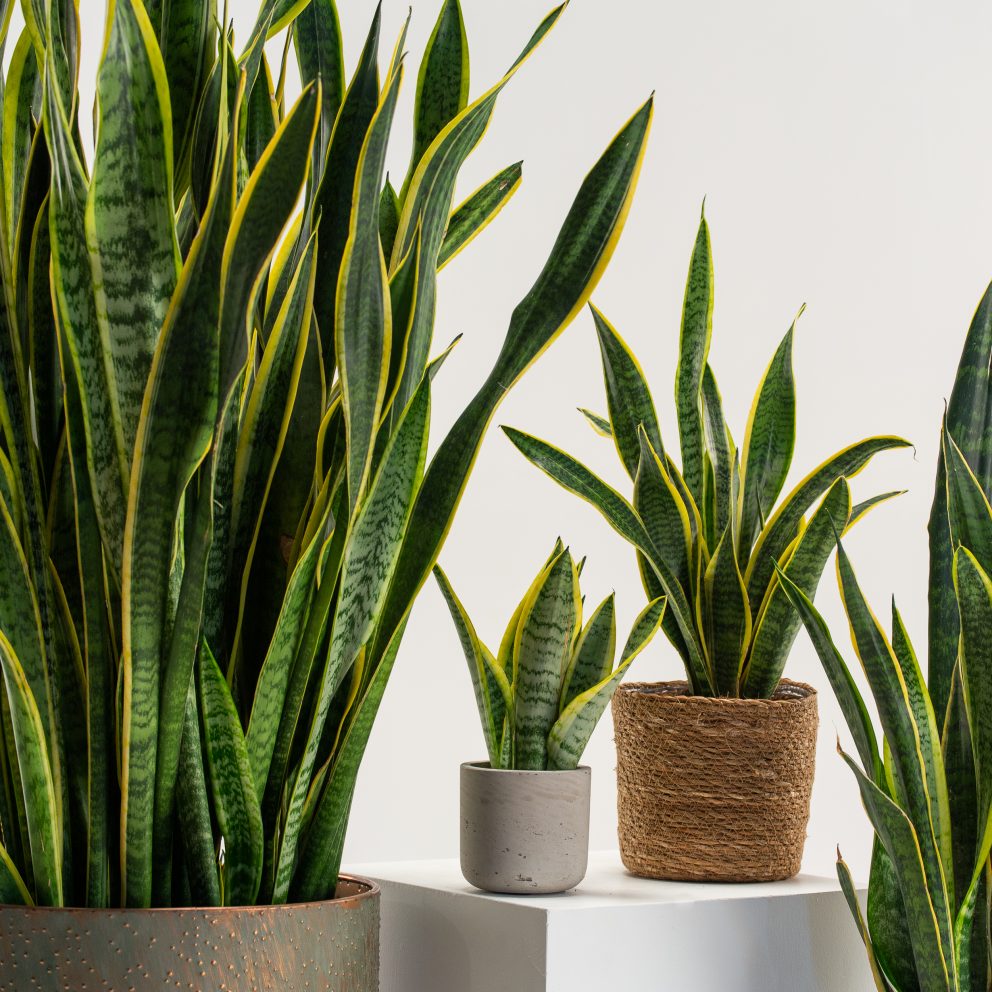
Snake plants, also known as mother-in-law’s tongue, were previously known by the Latin name Sansevieria, but have recently been reclassified as Dracaena. They are popular houseplants prized for their sleek, upright leaves and easy-care nature. If you’re looking to add some greenery to your home without much hassle, here’s everything you need to know about keeping your snake plant healthy and vibrant indoors.
Read article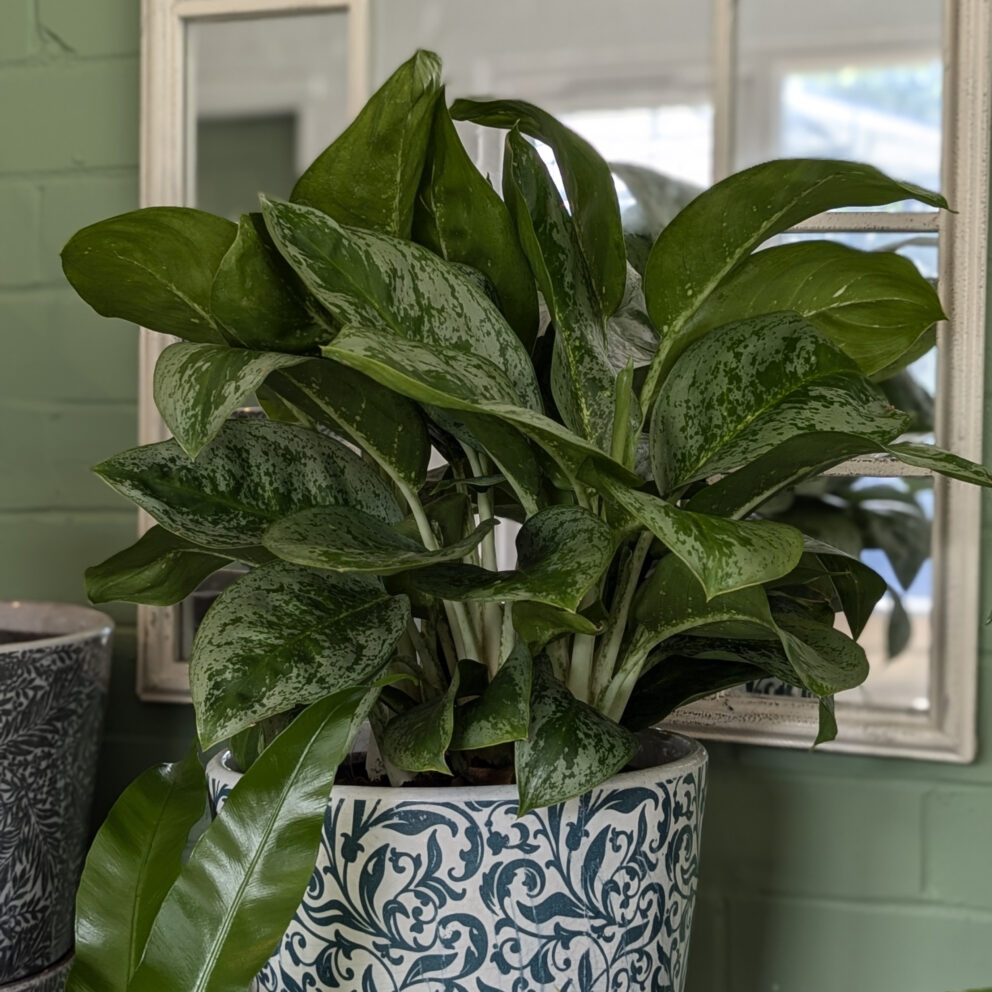
Winter Houseplant Bliss: 10 Tips for Thriving Indoor Greenery
We expect a lot of our houseplants. They have to contend with irregular watering, huge temperature fluctuations, limited access to light, dry air from central heating etc. Winter can be especially challenging for them in the U.K. as our latitude doesn’t receive much sunlight for many months. This handy guide takes you step-by-step through their needs and what you can do to improve their performance.
Read article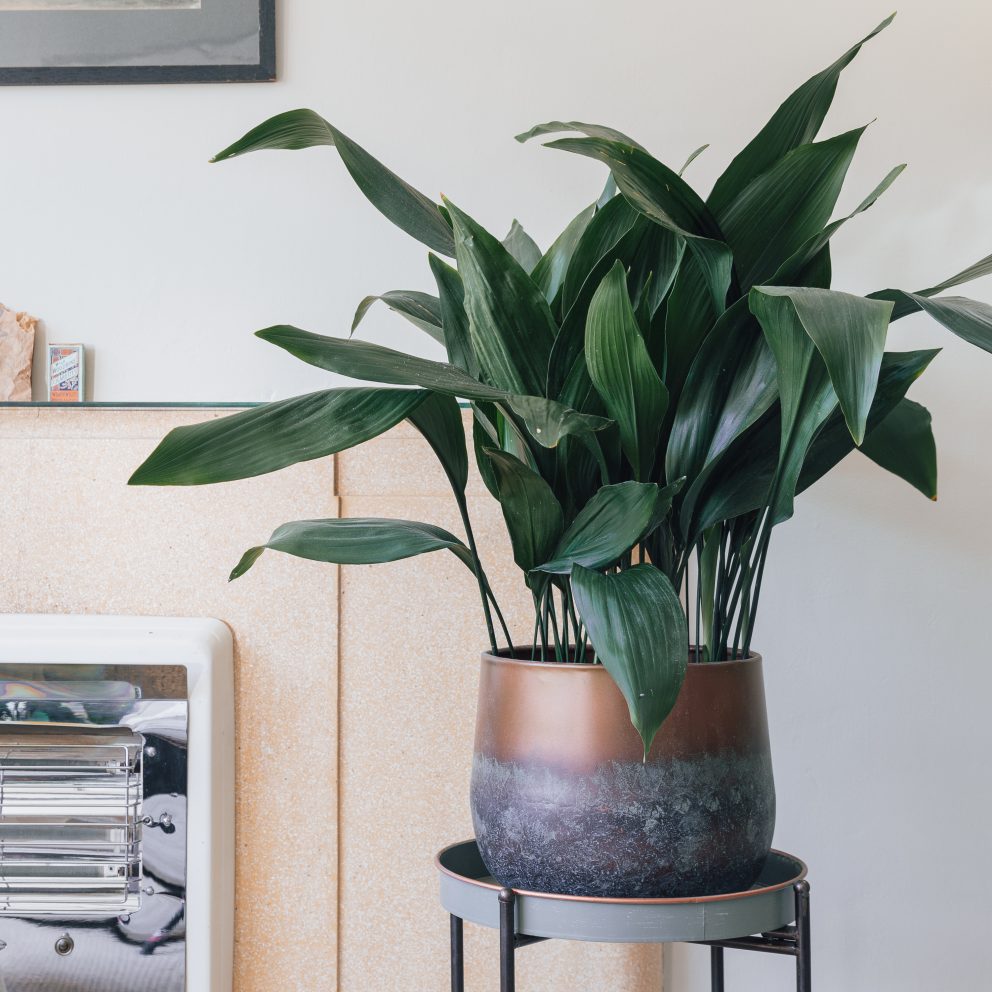
Top 5 Indoor Plants for Low Light Levels
It’s relatively easy to find houseplants that enjoy brightly lit indoor locations, either on a windowsill or nearby. But what about those darker corners of the room which don’t receive as much light? While no green plant can survive total darkness, you may be surprised to hear that there are plenty that can cope with lower light levels. Most of these plants originate from tropical and subtropical forests, where the dense canopy can greatly restrict the amount of light that filters down to the understorey, making them a perfect choice to lighten up those gloomy corners around the house.
Here are our top five picks for those tricky locations.
Read article
Top 5 Air Purifying Houseplants
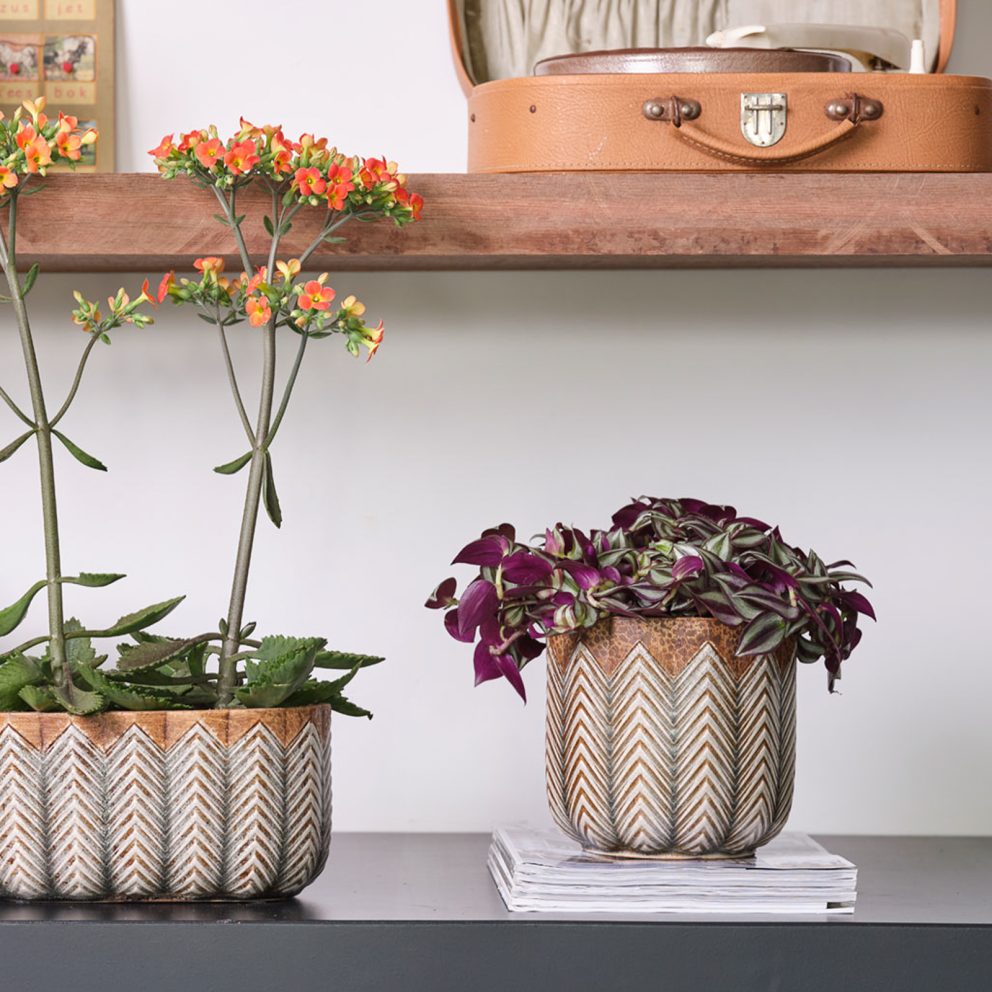
As well as their aesthetic appeal, many houseplants also act as air purifiers, absorbing pollutants and releasing oxygen. Read our top five picks below.
Read article
Unveiling the Optimal Light Levels Every Indoor Plant Craves!
Discover the secrets to cultivating a vibrant indoor garden by mastering the art of perfect lighting for your plants.
Explore the science behind different light levels, learn to identify your plant’s specific needs, and uncover practical hacks to ensure your green companions thrive.
Read article
Reviews
There are no reviews yet.