How do we measure our products?
Dasylirion serratifolium
Sandaper Sotol
£249.00
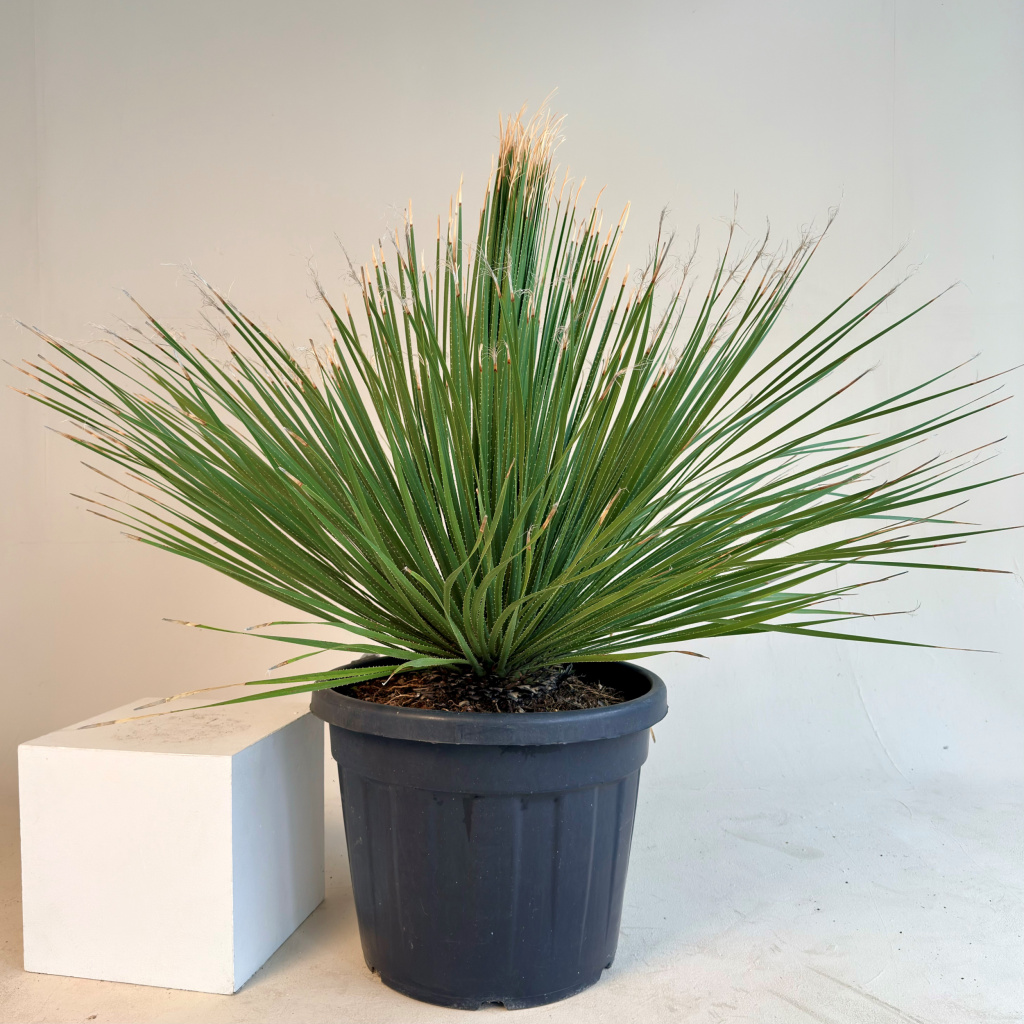
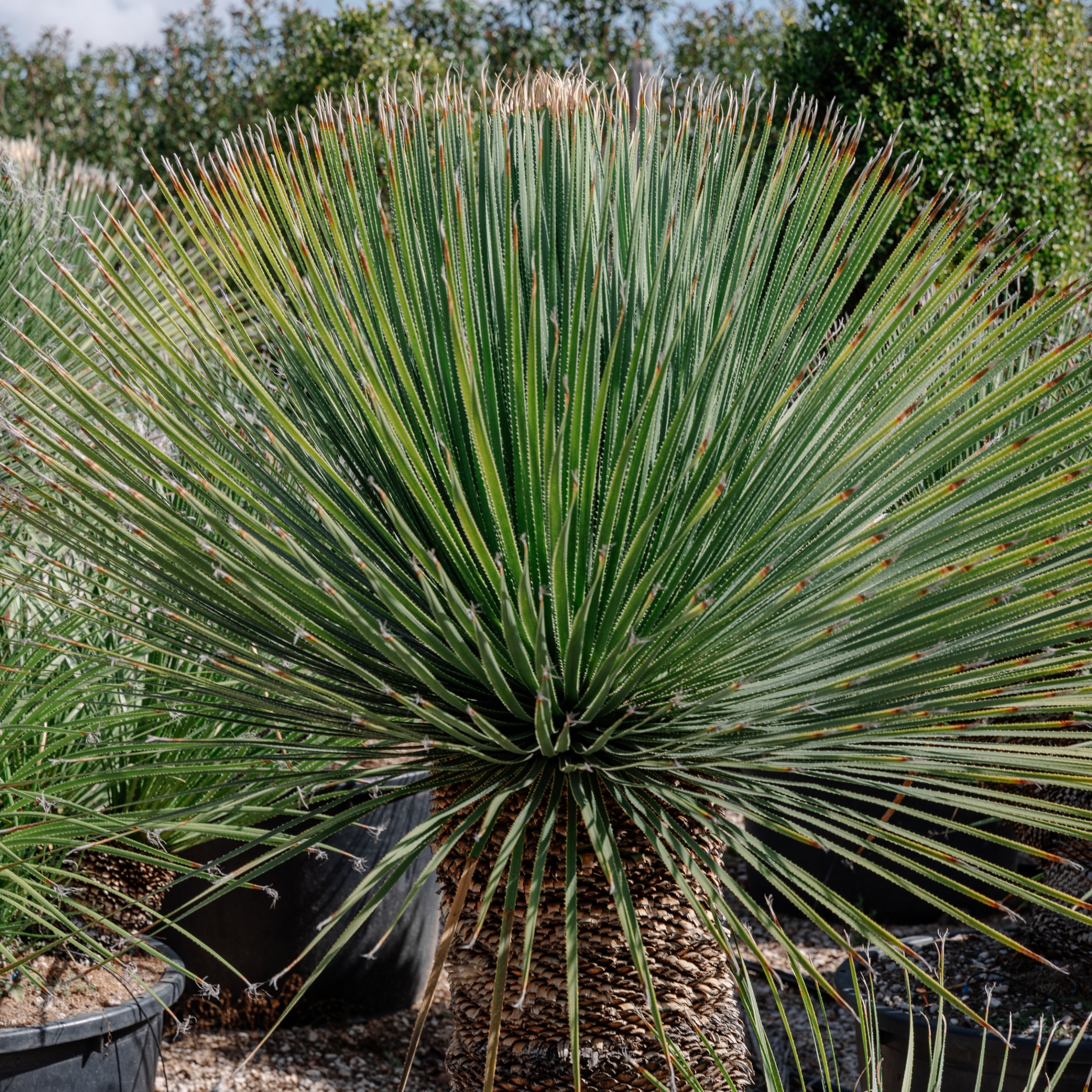
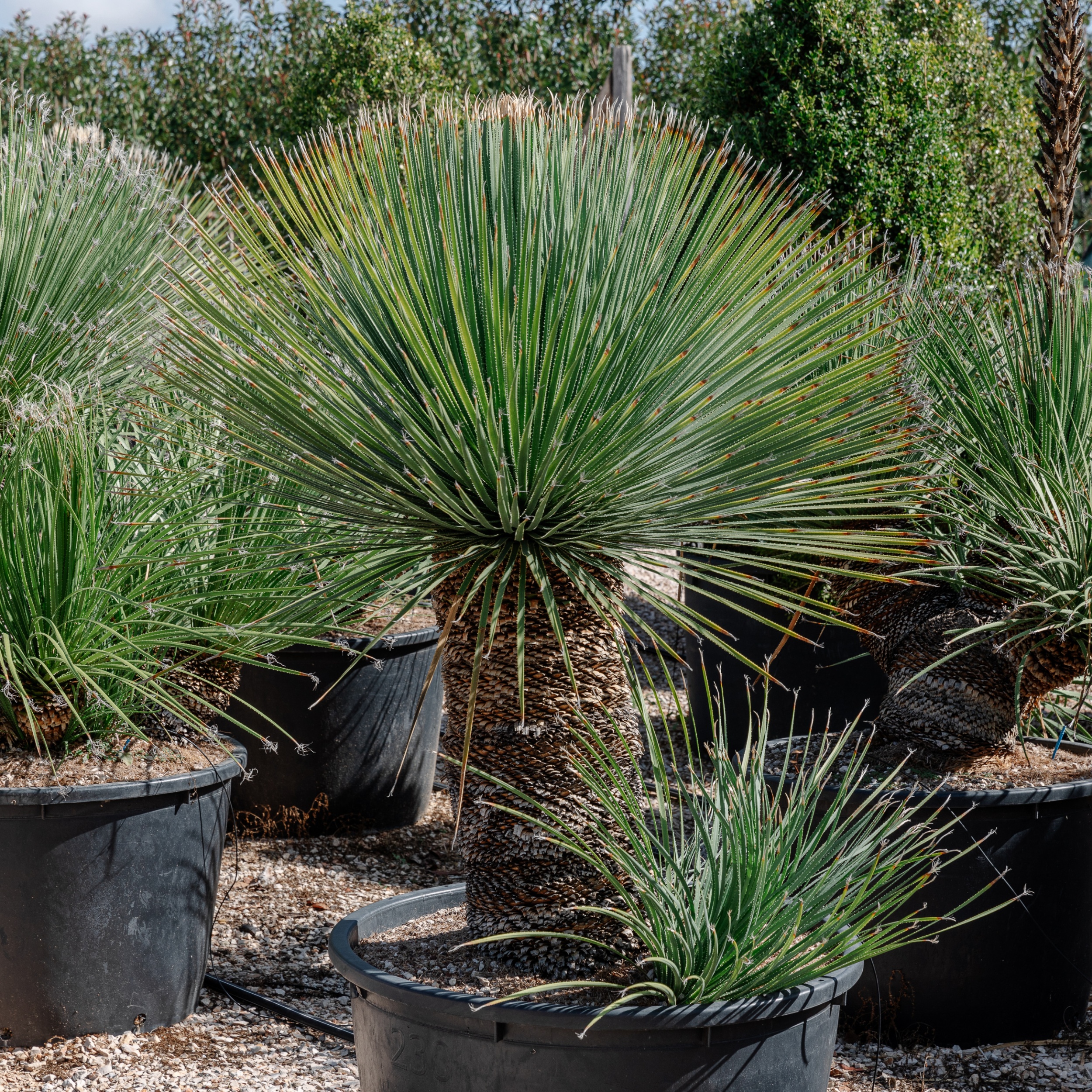
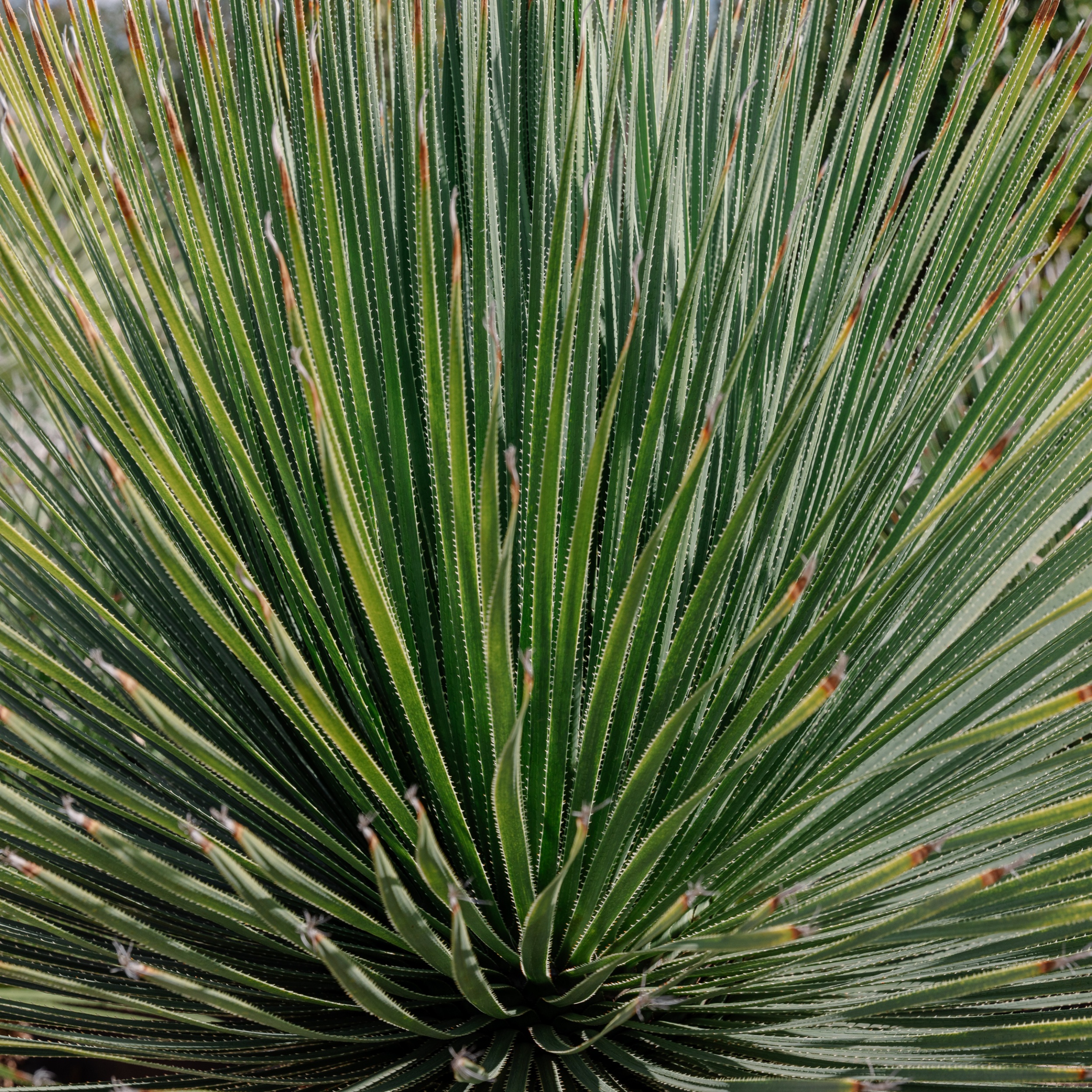
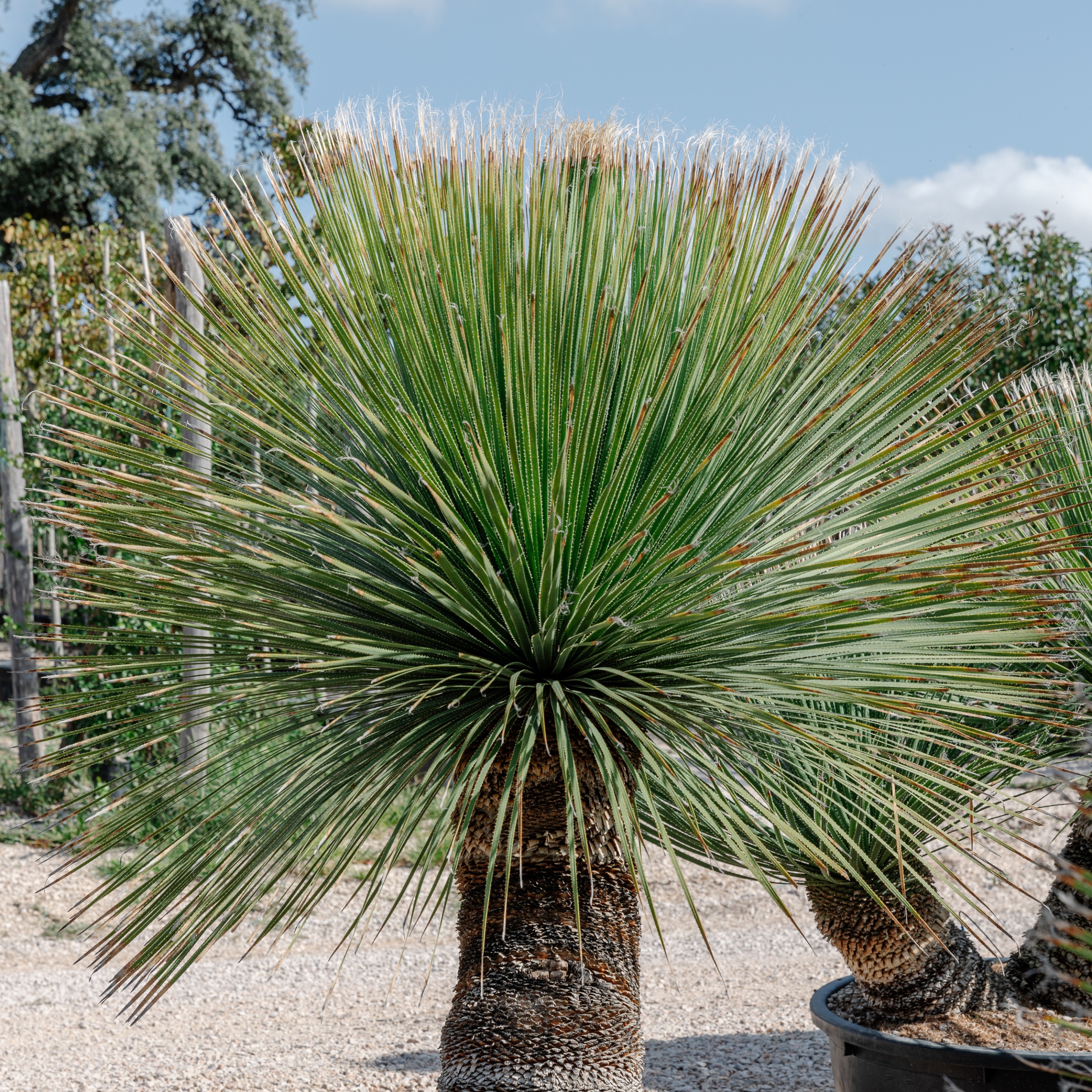
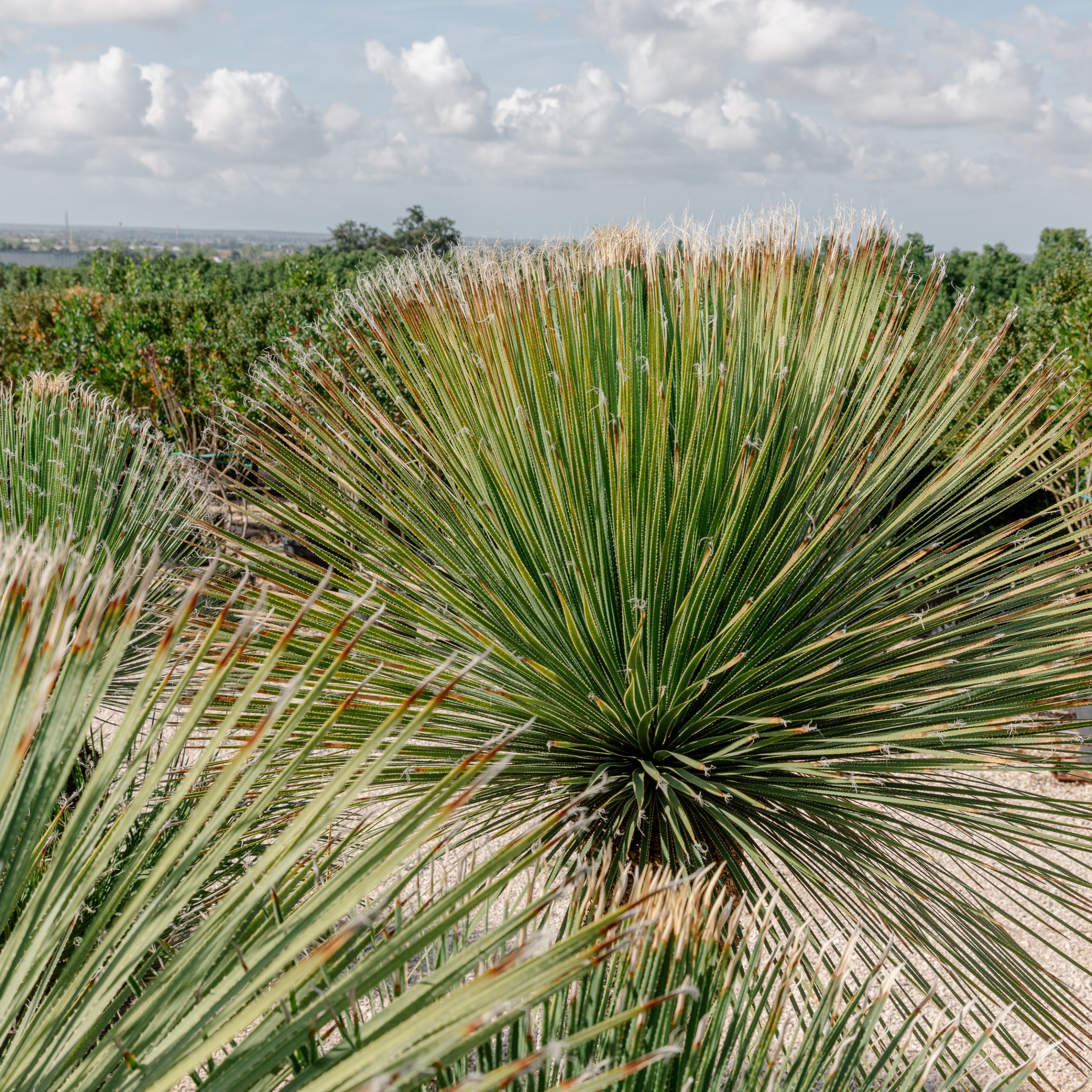
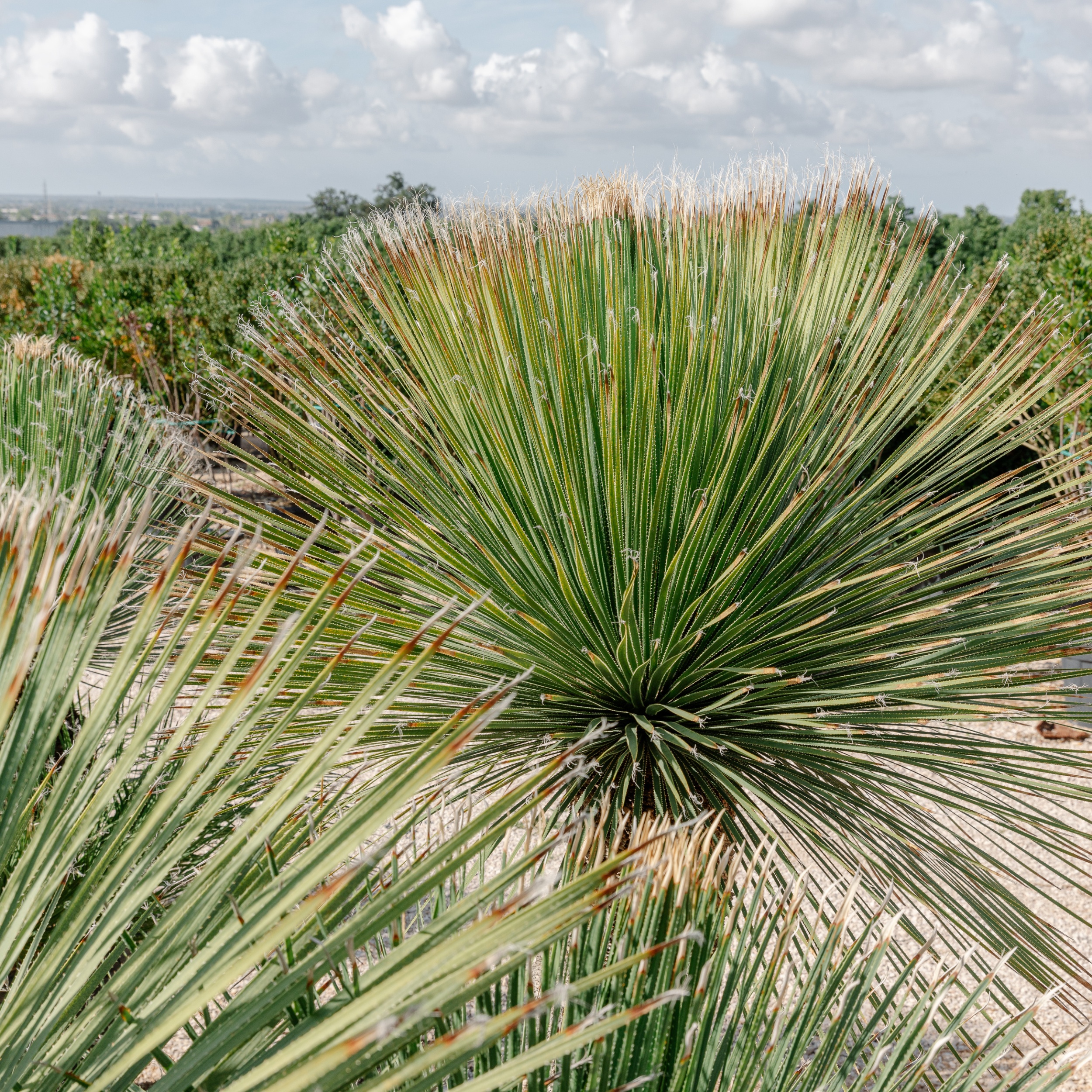
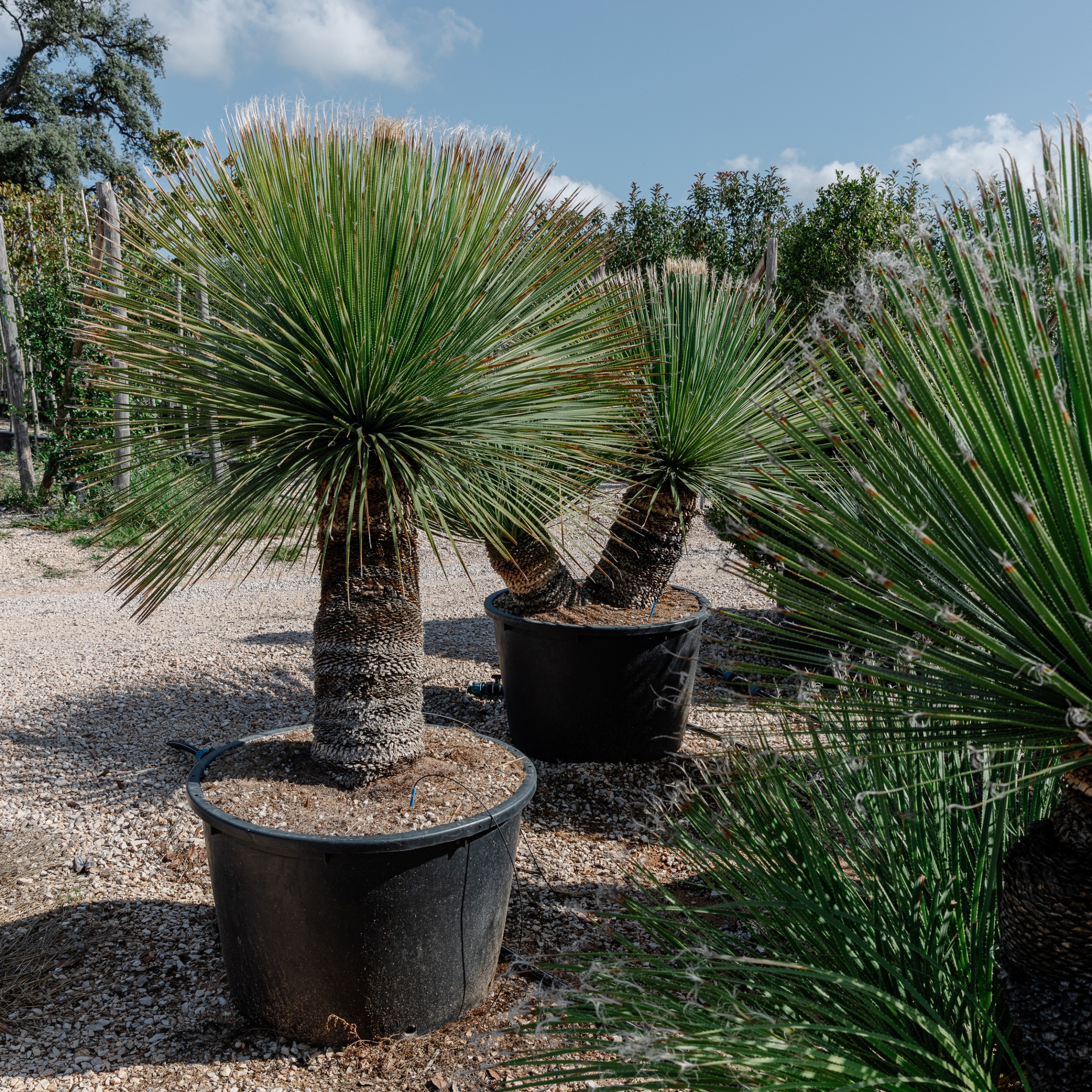
Dasylirion serratifolium, known as Serrated Dasylirion, is a striking succulent characterised by its rosette of narrow, serrated leaves. Native to Mexico, it thrives in arid environments, showcasing gray-green foliage with serrated edges, offering an eye-catching, spiky appearance.
Perfect for exposed and coastal locations, this is a resilient and low-maintenance choice for xeriscaping or arid garden landscapes.

Plant Biography
Botanically, Dasylirion serratifolium is a species of Sotol from southern Mexico. However, in cultivation it is more of a ‘catch-all’ name for a mixed group of hybrids that have green leaves with toothed margins and terminal tufts. For all practical purposes this is unimportant to anyone other than a dasylirion specialist – in the garden they make a stunning focal point for the arid border along with Yucca, Nolina, Agave and Chamaerops with their fine-leafed ‘fibre-optic lamp’ appearance that contrasts well with other spiky plants. Alternatively their shape is perfect for pot culture, when they can be taken under glass for winter.



Expert Tip
Did you know?

Care & Size Guidance
Dasylirion serratifolium, commonly known as Serrated Dasylirion or Serrated Sotol, thrives in well-drained soil and needs the sunniest, warmest spot you can give it. This striking succulent grows slowly to heights of 1.5 metres. Minimal watering is sufficient once established, as it is highly drought-tolerant and the plant requires little pruning apart from removing dead leaves.
When the plant is old enough to flower, the giant flower stem can quickly reach heights of 4+ metres!
This plant’s unique, spiky foliage and resilience make it an excellent choice for xeriscaping or as a striking focal point in arid or desert-themed landscapes.
Related reading
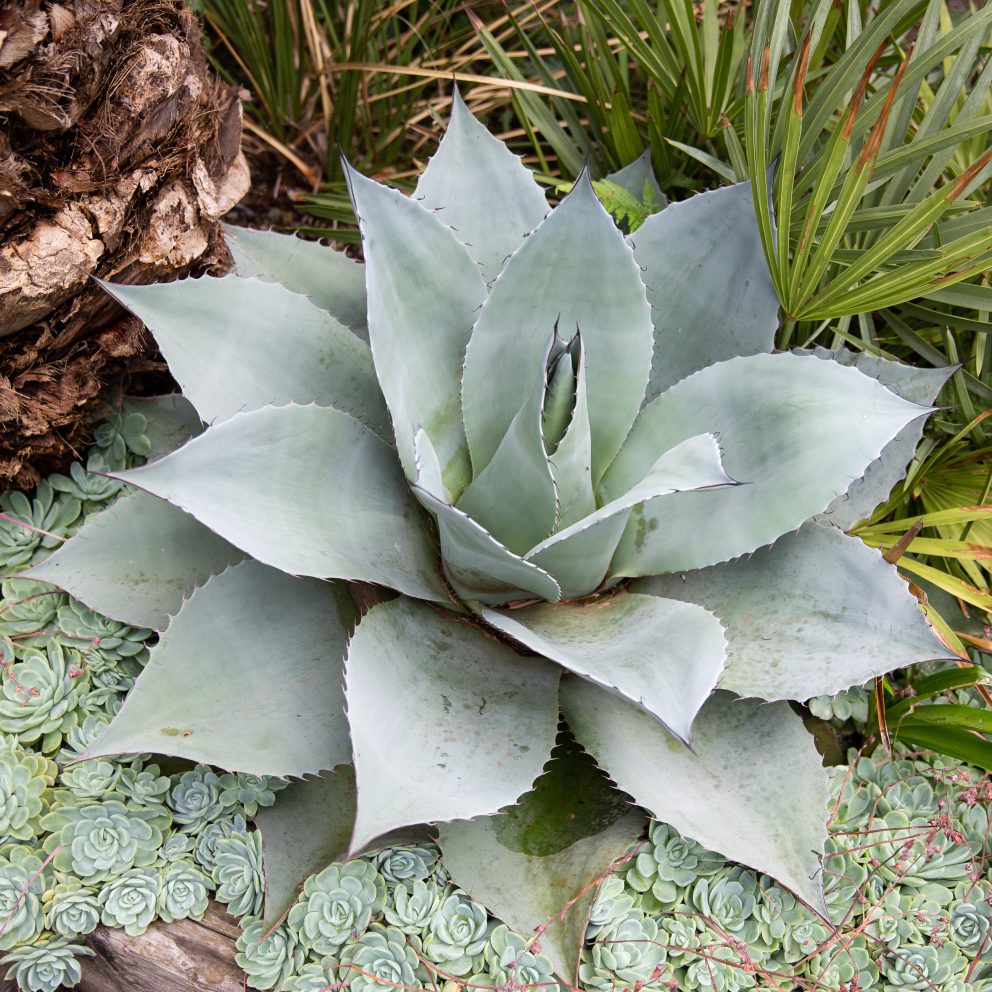
How To Overwinter Your Arid Plants in the U.K.
Here at The Palm Centre, we are huge fans of arid plants. We were instrumental in introducing Agave montana to European markets and we stock a wide range of Yucca, Dasylirion, cacti, and other interesting and unusual succulent plants. Many of these can tolerate freezing conditions in their native habitat but growing them in United Kingdom, while possible, can take a bit of extra care and planning.
We’ve written a short guide outlining the basic considerations when planning, planting, and caring for your arid plants in a damp, temperate climate. Keep reading to find out our top tips…
Read article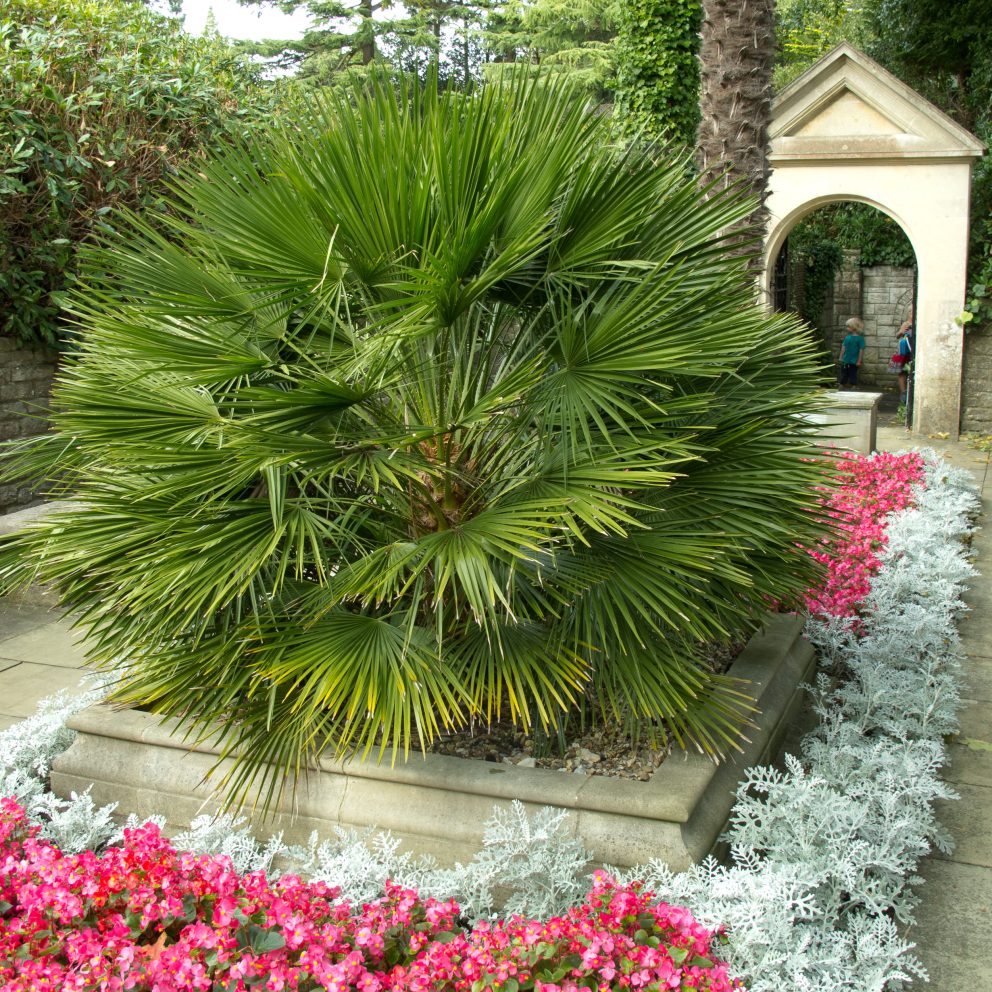
Top Five Hardy Palms for the UK
If you’ve just discovered the wonderful world of hardy exotic gardening then you might be wondering what palm trees you can grow in the UK climate. Here’s our list of the top five that we recommend.
Read article

Reviews
There are no reviews yet.