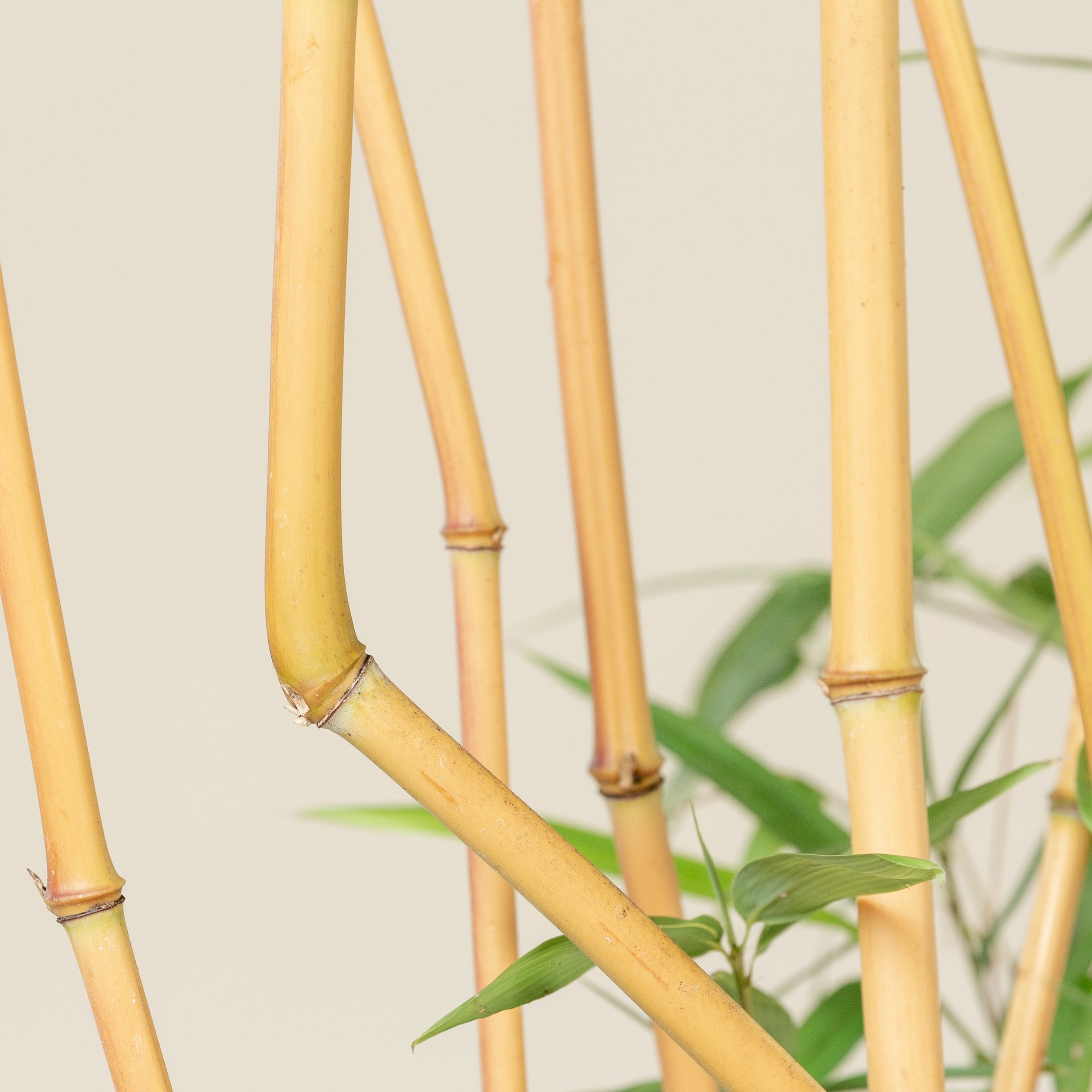
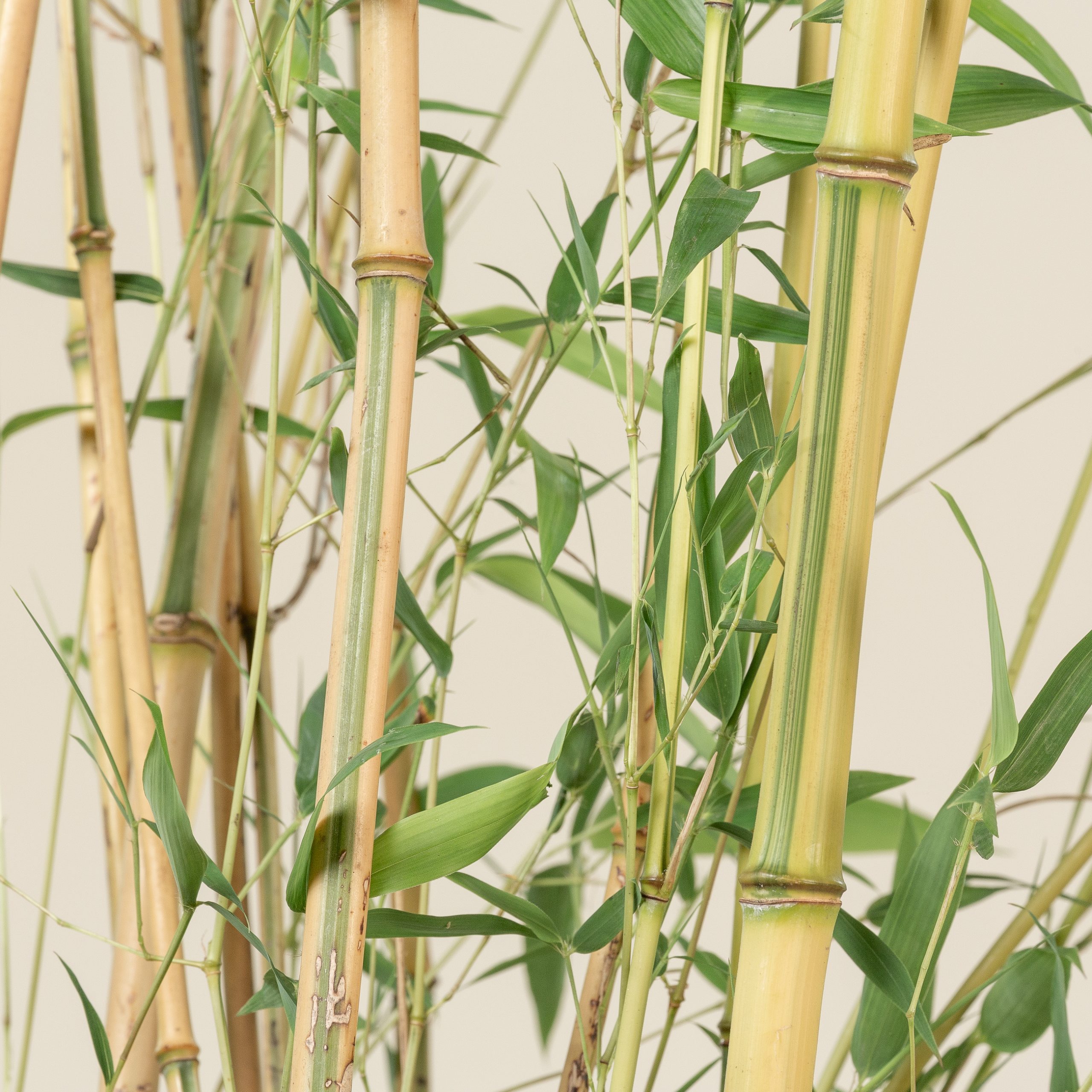
Iris confusa is a rhizomatous perennial featuring fan-shaped clusters of broad, glossy leaves atop bamboo-like stems. In spring, it produces delicate white flowers (occasionally lavender or pale blue) adorned with yellow-orange crests and purple spots.
Commonly known as the bamboo iris, the unique foliage arrangement and attractive blooms make it a popular choice for temperate ornamental gardens. Max height x spread 150cm x 150cm.
Iris confusa is out of stock
debug: stock status = outofstock
debug: rec_products_ids =
Origin: Western China
Genus: Iris
Species / Cultivar: confusa
Common Name: Bamboo iris
Soil: Well drained
Soil that does not show much signs of moisture, either visibly or when handled.
Growth Rate: Medium
Expect to see moderate growth during growing season.
Water Requirement: Medium
Once it is established, this plant is likely to only require watering during drier periods.
Maintenance: Low
Minimal skill or input needed beyond the basics, a very independent plant.
Situation: Full Sun to Part Shade
Enjoys direct sun most of the day, but tolerant of fewer sunlit hours or light dappling.
Eventual Height: 1-1.5m
The plant's ultimate height in typical growing conditions.
Eventual Spread: 1-1.5m
The plant's ultimate spread in typical growing conditions.
Hardiness: Hardy
Survives unprotected in an average winter. May need protection in extreme long frosts.
Habit: Evergreen
Always in leaf throughout the year. It won't lose all its leaves at any one time.
Lifecycle: Perennial
This plant is persistant and does not die off after flowering. It will return each season indefinitely, if provided with suitable growing conditions.
Care & Size Guidance
Iris confusa, commonly known as the bamboo iris, is an evergreen perennial that reaches heights of 1 to 1.5 metres with a similar spread. It thrives in fertile, well-drained, neutral to slightly acidic soil, positioned in full sun or partial shade. A sheltered south or west-facing aspect is ideal to protect its bamboo-like stems from strong winds.
During late spring to early summer, it produces clusters of white flowers with yellow and blue markings. To maintain plant health, remove any dying foliage in autumn and cut back old flower stems after blooming. Be vigilant for slugs and snails.
Expert Tip
When planting, it is a good idea to put a sturdy stake as close to the plant as possible, as stems can get rather top-heavy when the plant flowers.
Reviews
There are no reviews yet.
Be the first to review “Iris confusa” Cancel reply
To provide the best experiences, we use technologies like cookies to store and/or access device information. Consenting to these technologies will allow us to process data such as browsing behavior or unique IDs on this site. Not consenting or withdrawing consent, may adversely affect certain features and functions.
Functional
Always active
The technical storage or access is strictly necessary for the legitimate purpose of enabling the use of a specific service explicitly requested by the subscriber or user, or for the sole purpose of carrying out the transmission of a communication over an electronic communications network.
Preferences
The technical storage or access is necessary for the legitimate purpose of storing preferences that are not requested by the subscriber or user.
Statistics
The technical storage or access that is used exclusively for statistical purposes.The technical storage or access that is used exclusively for anonymous statistical purposes. Without a subpoena, voluntary compliance on the part of your Internet Service Provider, or additional records from a third party, information stored or retrieved for this purpose alone cannot usually be used to identify you.
Marketing
The technical storage or access is required to create user profiles to send advertising, or to track the user on a website or across several websites for similar marketing purposes.





Reviews
There are no reviews yet.