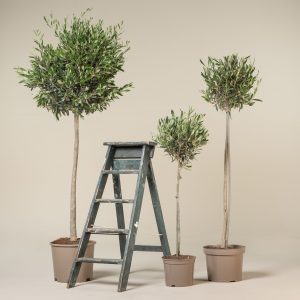
How do we measure our products?
Fuchsia boliviana
Bolivian Fuchsia
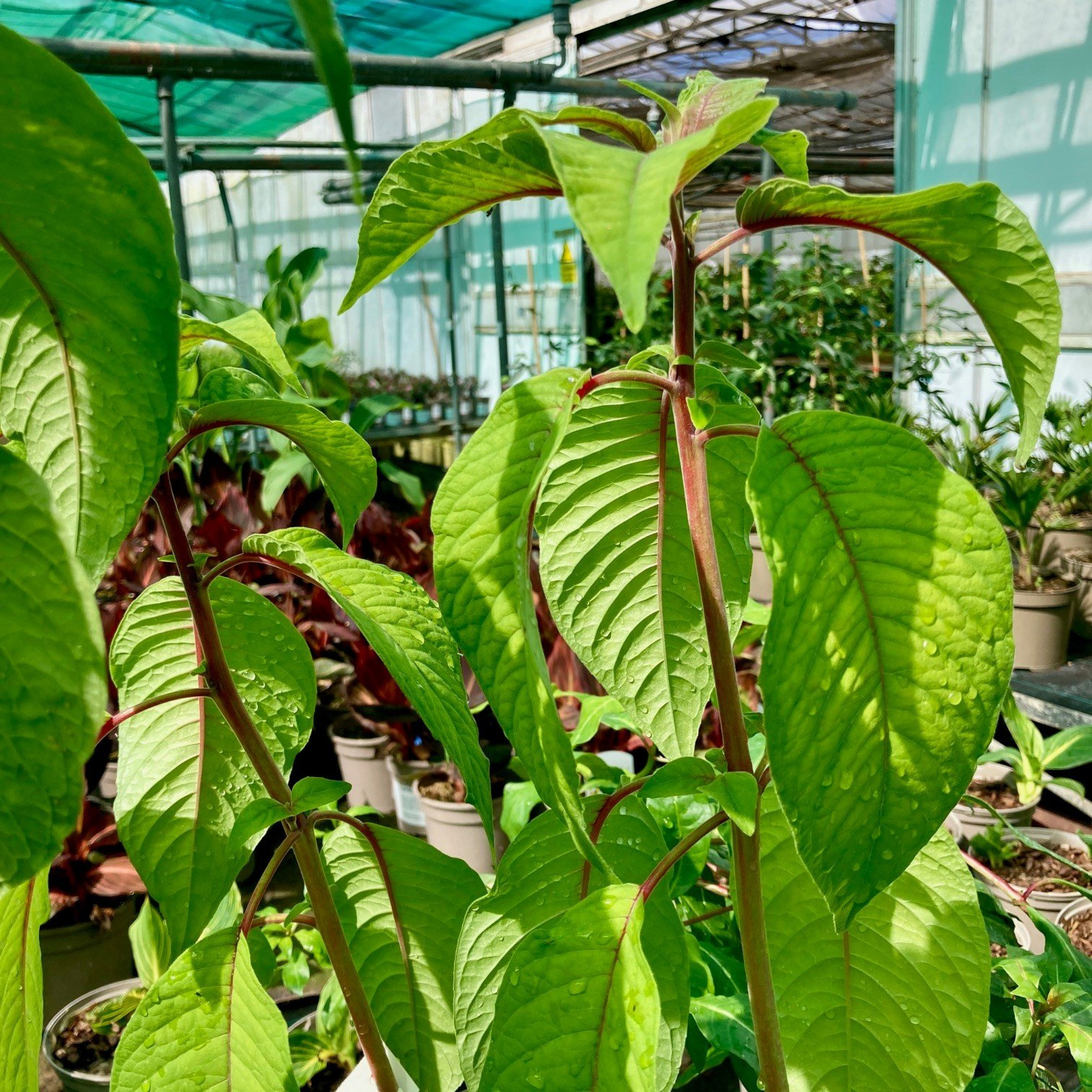
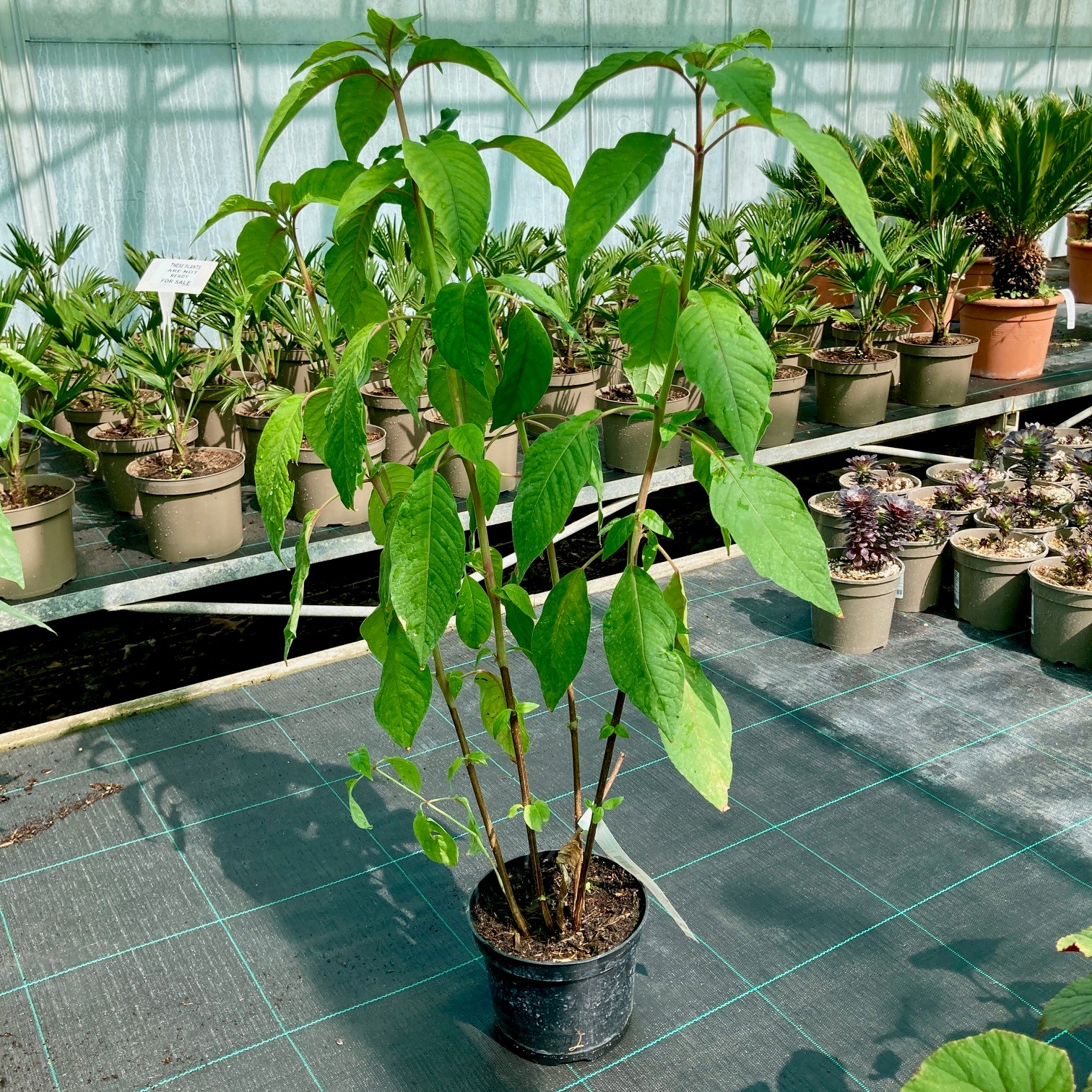
Fuchsia boliviana is a stunning, tender flowering shrub native to the cloud forests of Argentina, Bolivia and Peru. This plant boasts vibrant red tubular flowers in long, drooping clusters, primarily blooming in late-summer. With large, velvety leaves, Fuchsia boliviana can reach heights of up to 4 metres if kept in a frost-free environment.
Its ornamental beauty and dramatic, hanging flowers make it a popular choice for gardens. Although the foliage can survive brief dips just below freezing, the plant will die back after a long frost. However the plant can survive in the mildest parts of the UK, behaving as a herbaceous perennial. Alternatively, it is quite happy living in a large pot which can be brought undercover for winter. Perfect for adding a tropical touch to landscapes, Fuchsia boliviana is a must-have for exotic plant enthusiasts.
Fuchsia boliviana is out of stock
Want to be notified when this product is back in stock?
Plant Biography
Fuchsia boliviana, a member of the Onagraceae family, was first described by the English botanist George Bentham in 1844. Bentham’s description was based on specimens collected during botanical explorations in South America. He was a prominent botanist known for his extensive work in plant taxonomy and his contributions to the understanding of various plant species, including those in the genus Fuchsia, named after the German botanist Leonhart Fuchs.
Native to the cloud forests of Bolivia, Argentina, and Peru, this species thrives in high-altitude, humid environments. It has been cultivated for its striking ornamental qualities, particularly its vibrant red tubular flowers and large, velvety leaves.




Care & Size Guidance
Fuchsia boliviana thrives in cool, humid environments and will grow in full sun, but prefers some partial shade, particularly in the afternoon. It requires well-drained soil and benefits from regular watering to keep the soil moist but not waterlogged. This shrub can reach heights of up to 4 metres and spreads outwards with a similar width, making it ideal as a focal point in gardens or landscapes.
Pruning is recommended to maintain its shape and encourage prolific flowering, typically in late-summer when its vibrant red tubular flowers bloom in long, drooping clusters.
In the mildest parts of the UK, you can try growing it outside in a sheltered microclimate, preferably with some overhead canopy. Protect from frost by covering with a fleece jacket. If it gets frosted back, apply a thick layer of mulch to protect it from further cold and it should re-sprout from the roots in spring.

Reviews
There are no reviews yet.